

Strip steak stands as one of America's most beloved cuts of beef, gracing dinner tables and restaurant menus across the country. This premium cut delivers exceptional flavor and tenderness, making every bite memorable. Whether you're planning a special dinner or simply want to elevate your weeknight meals, understanding how to select the perfect strip steak can transform your cooking experience completely.
Choosing the right strip steak involves more than grabbing the first package you see at the store. The quality, grade, and characteristics of your selected cut will directly impact the flavor, tenderness, and overall success of your meal. Knowledge about what makes a superior strip steak will empower you to make confident purchasing decisions and create restaurant-quality results at home.
What Is Strip Steak?
Strip steak comes from the short loin section of the cow, specifically from the longissimus dorsi muscle that runs along the spine. This muscle experiences minimal use during the animal's lifetime, which contributes to the cut's natural tenderness and fine texture. The strip steak goes by several names, including New York strip, Kansas City strip, and shell steak, depending on regional preferences and preparation methods.
The location of this cut on the cow makes it naturally lean while maintaining enough marbling to deliver rich flavor. Strip steaks typically measure between 8 and 12 inches in length and can range from three-quarters of an inch to two inches in thickness. The muscle fibers run lengthwise through the cut, creating the characteristic grain pattern that experienced cooks look for when slicing.
Understanding the anatomy behind strip steak helps explain why this cut commands premium prices and delivers consistent results. The short loin section produces some of the most prized cuts in beef cookery, and strip steak represents the perfect balance between tenderness and robust flavor that steak enthusiasts crave.
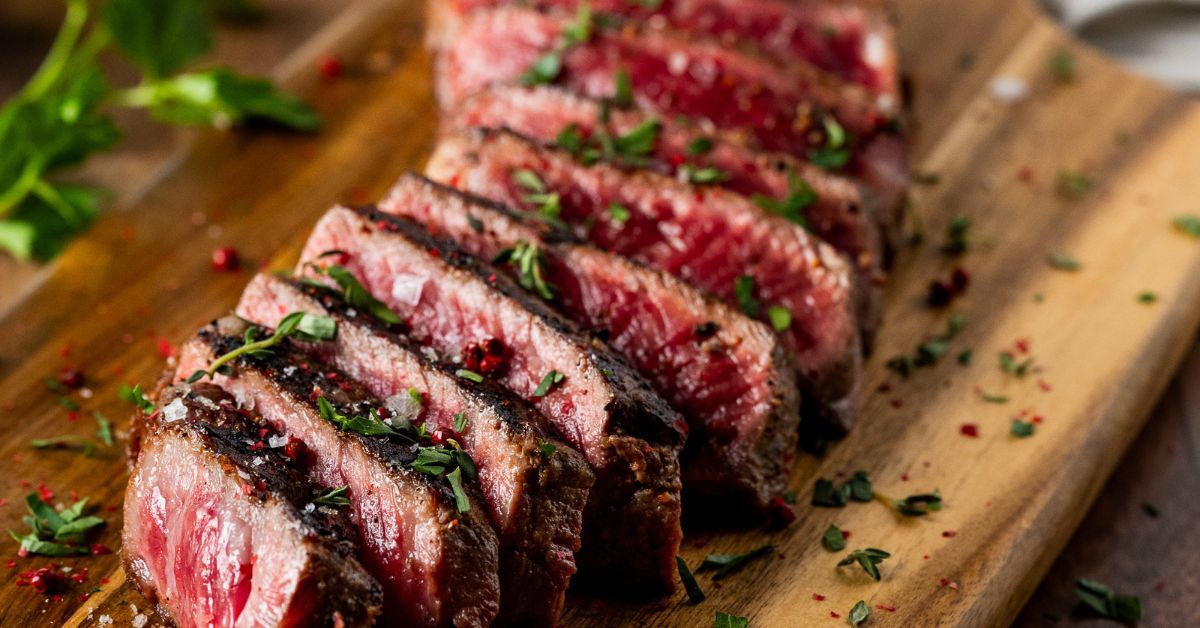
Key Characteristics To Look For
Marbling
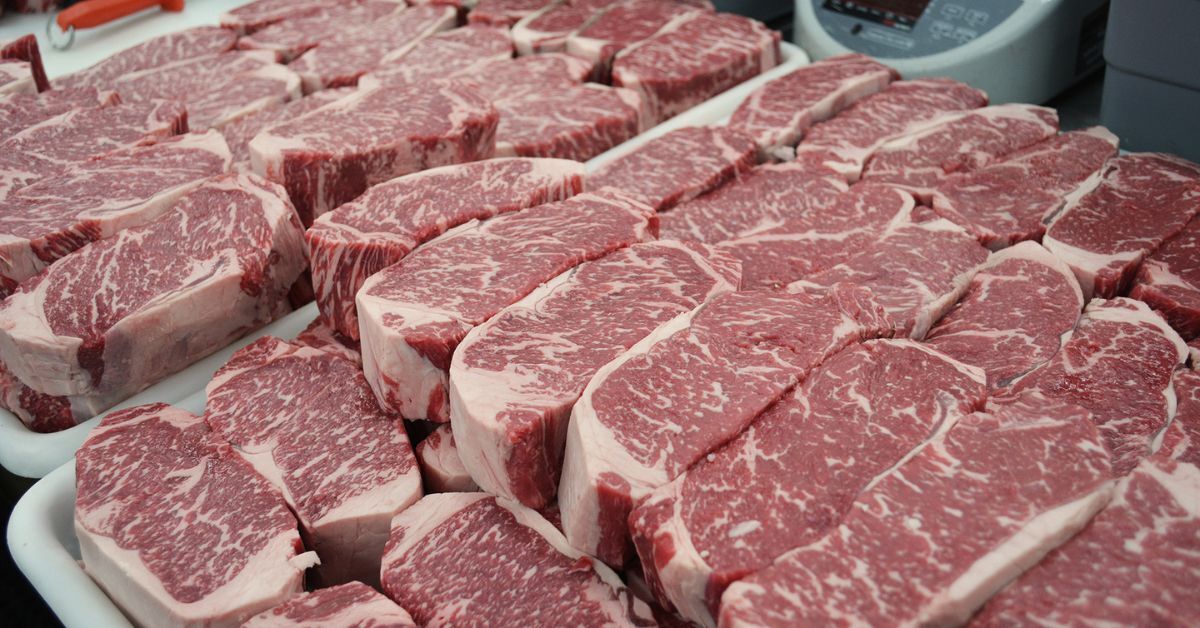
Marbling serves as the most crucial indicator of strip steak quality and represents the white streaks of intramuscular fat distributed throughout the red muscle tissue. Superior strip steaks display fine, evenly distributed marbling that creates a delicate web-like pattern across the surface. This internal fat melts during cooking, basting the meat from within and making the juicy, flavorful experience that defines exceptional beef.
Color
Color provides another essential quality marker for strip steak selection. Fresh, high-quality strip steaks exhibit a bright cherry-red color, indicating proper aging and handling. Avoid steaks with grayish or brown discoloration, which may indicate oxidation or prolonged storage. The fat portions should appear creamy white rather than yellow, which can indicate older beef or improper storage conditions.
Thickness
Thickness plays a vital role in cooking performance and final results. Strip steaks between one and one-and-a-half inches thick provide the best combination of cooking control and heat penetration. Thinner cuts cook too quickly and risk becoming overcooked on the exterior while remaining underdone in the center. Thicker cuts require more careful temperature management but offer greater flexibility for achieving precise doneness levels.
Firmess
Firmness indicates freshness and proper handling throughout the supply chain. Quality strip steaks feel firm to the touch, with no excessive moisture on the surface. Avoid packages with excessive liquid accumulation, which can indicate temperature fluctuations or extended storage periods that compromise both flavor and food safety.
Different Grades of Strip Steak
The United States Department of Agriculture establishes grading standards that classify beef based on marbling, maturity, and overall quality. These grades provide consumers with reliable indicators of what to expect from their strip steak purchase and help justify price differences between options.
USDA Prime
USDA Prime represents the highest grade available and accounts for only about two percent of all graded beef production. Prime strip steaks feature abundant marbling throughout the cut, creating exceptional tenderness and flavor intensity. These steaks command premium prices but deliver unmatched eating experiences that justify the investment for special occasions and discerning palates.
USDA Choice
USDA Choice encompasses the majority of high-quality beef found in grocery stores and restaurants, offering excellent marbling and tenderness at more accessible price points. Choice strip steaks deliver outstanding results for home cooking while maintaining the quality characteristics that make strip steaks such a popular choice. The Choice grade includes several subgrades that reflect varying degrees of marbling density.
USDA Select
USDA Select represents leaner beef with minimal marbling, resulting in less tender, less flavorful strip steaks than higher grades. While Select grade steaks cost less than Prime or Choice options, they require more careful cooking techniques to achieve satisfactory results. These cuts work better for braising or slow-cooking than for high-heat grilling or pan-searing.
Where To Buy Strip Steak
Local Butcher
Local butcher shops offer the most personalized strip steak shopping experience, with knowledgeable staff who can provide detailed information about sourcing, aging, and preparation recommendations. Independent butchers often carry specialty breeds and unique aging programs that differentiate their products from mass-market options.
Grocery Store
Grocery store meat departments provide convenient access to strip steaks with varying quality levels and price points. Major chains typically stock high-quality strip steaks, with some stores offering Prime selections in dedicated premium sections. Shopping on peak delivery days increases your chances of finding the freshest selections with optimal marbling and color.
Online
Online steak retailers have revolutionized strip steak purchasing by providing access to restaurant-quality cuts with direct delivery to your door. These companies, like Meat by Linz, specialize in premium beef products and often offer detailed descriptions of their sourcing, aging, and shipping processes. The convenience of online ordering combined with vacuum packaging technology allows consumers to access high-quality strip steaks regardless of local availability.
Warehouse Clubs
Warehouse clubs provide value-oriented strip steak options with bulk purchasing opportunities that reduce per-pound costs. These retailers typically offer Choice-grade selections in larger packages suitable for families or entertaining. Quality can vary between shipments, so visual inspection remains important even when purchasing from established warehouse retailers.
Tips for Cooking Strip Steak
Temperature control forms the foundation of successful strip steak cookery, regardless of which cooking method you choose. Strip steaks benefit from high-heat cooking techniques that create flavorful crusts while maintaining tender, juicy interiors. Room-temperature steaks cook more evenly than cold steaks pulled directly from the refrigerator, so allow your strip steaks to rest at room temperature for 30 to 45 minutes before cooking.
Grilling
Grilling strip steaks over direct high heat creates the classic char marks and smoky flavors that complement the beef's natural richness. Preheat your grill between 450 to 500 degrees Fahrenheit and oil the grates to prevent sticking. Cook strip steaks for four to six minutes per side for medium-rare doneness, adjusting timing based on thickness and desired final temperature.
Pan Sear
Pan-searing in a heavy skillet provides precise temperature control and creates exceptional crusts through direct contact with hot surfaces. Use a cast-iron or stainless steel pan heated over medium-high heat with a small amount of high-temperature cooking oil. Sear strip steaks for three to four minutes per side, then finish in a 400-degree oven if needed for thicker cuts.
Broiling
Broiling offers an indoor alternative that mimics grilling results through intense radiant heat from above. Position the oven rack four to six inches below the broiler element and preheat thoroughly. Broil strip steaks for four to five minutes per side, monitoring closely to prevent overcooking since broiler temperatures can vary significantly between ovens.
Making Your Strip Steak Selection Count
Selecting the perfect strip steak requires understanding quality indicators and matching your choice to your intended cooking methods and personal preferences. The knowledge you've gained about marbling, grading, and sourcing options will serve you well whether you're shopping at local butchers, grocery stores, or exploring online options for premium selections.
Remember that the highest grade doesn't always represent the best choice for every cooking application or budget consideration. A well-selected Choice grade strip steak can deliver exceptional results when properly prepared. In contrast, Prime grades shine brightest for special occasions and simple preparations that highlight the beef's natural qualities.
Take time to examine each potential selection, comparing marbling patterns, color characteristics, and overall appearance before making your final decision. The extra attention you pay during selection will reward you with superior cooking results and memorable dining experiences that showcase why strip steak remains such a cherished cut among beef lovers everywhere.