

Every great steak has a story, and the New York Strip is no exception. Taking a deep dive into the history of the New York Strip Steak uncovers how this unassuming cut from the short loin rose to fame at American tables, earning its place as a beloved classic.
Generations of butchers, chefs, and steakhouse patrons helped shape its reputation for bold beef flavor and dependable tenderness. Today, this classic cut remains a centerpiece in steakhouses and home kitchens throughout the country.
Early Origins of the Strip Steak Cut
The New York Strip originates from the short loin, a section of the beef known for producing several prized steaks. Traditional butchers valued this portion because it delivered a strong balance of tenderness and rich beef flavor. While Filet Mignon came from one side of the short loin, the opposite side produced the Strip Steak, which offered more structure and a pleasantly robust texture.
American butchers quickly noticed that this part of the beef delivered a steak with exceptional consistency. Since the strip muscle has a uniform shape, it was easy to cut steaks to the same thickness and present them beautifully. These features made the cut popular with restaurants that needed steaks they could rely on every time.
Throughout the 19th century, urban butcher shops and restaurants increasingly began serving steaks from the short loin. Diners appreciated the satisfying texture and deep flavor, and chefs enjoyed how well the cut performed over high heat.
The Birth of the New York Strip Name
The name “New York Strip” gained traction as steakhouses grew in popularity in New York City during the 1800s. One of the most influential establishments, Delmonico’s Restaurant, played an important role in elevating premium steak cuts in American dining culture.
Delmonico’s attracted wealthy patrons, business leaders, and travelers seeking refined dining in a luxurious setting. The restaurant served steaks from the short loin with exceptional beef flavor and tenderness. Diners began associating these steaks with New York City’s sophisticated dining scene.
As the reputation of these steaks spread, the name “New York Strip” followed. The title connected the cut with the prestige of the city’s famous steakhouses, and the label stuck. Over time, butchers and restaurants across the country adopted the name, cementing its place in American culinary language.
The Rise of the American Steakhouse
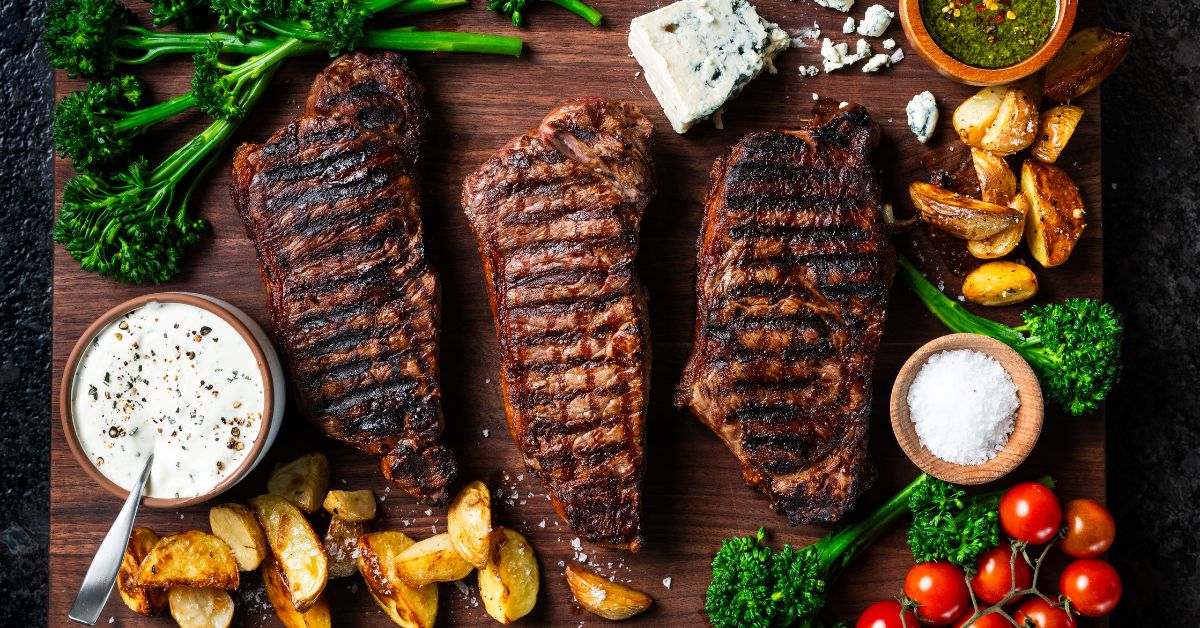
The growth of steakhouses across the United States helped solidify the popularity of the New York Strip. During the late 19th and early 20th centuries, steakhouses became gathering places for business meetings, celebrations, and social events.
These restaurants focused on simple preparation methods that highlighted the beef’s rich, natural flavor. Chefs relied on intense heat, minimal seasoning, and precise cooking to produce steaks with a flavorful crust and juicy interior. The New York Strip suited this style of cooking perfectly.
The steak’s consistent shape and reliable cooking results made it a favorite in busy kitchens. Chefs could sear it quickly while delivering a crowd-pleasing dining experience. Diners enjoyed a steak with bold flavor and minimal fat, creating a satisfying balance on the plate.
What Sets the New York Strip Apart
Several qualities define the New York Strip and explain why chefs and diners continue to favor the cut. Its structure, marbling, and flavor profile produce a steak that performs beautifully in professional kitchens and at home.
Key characteristics include:
- A firm, satisfying texture with a defined bite.
- Balanced marbling that delivers flavor without overwhelming the palate.
- A uniform shape that cooks evenly and presents beautifully on the plate.
- Bold, classic beef flavor that stands on its own with simple seasoning.
- Excellent performance over high heat in pans, grills, and broilers.
These qualities make the strip steak a top choice for kitchens and restaurants nationwide. Experienced cooks know they can count on this cut to deliver consistent results, especially when searing over high heat or aiming for precise doneness.
Why the New York Strip Became a National Favorite
As American dining habits evolved, the New York Strip found its way onto tables beyond the original steakhouses that made it famous. Steakhouses across the country adopted the cut because it delivered reliable quality and recognizable flavor.
The post–World War II dining boom accelerated this growth. Restaurants opened in cities large and small, and steakhouse menus became a symbol of celebration and hospitality. The New York Strip quickly became a standard offering.
Home cooks also embraced the steak as grocery stores and specialty butcher shops expanded their selections. Many cooks discovered that the Strip Steak offered professional-level results with simple cooking techniques. A hot pan or grill, simple seasoning, and careful timing allowed the steak to shine.
These qualities made the cut appealing and accessible for experienced cooks eager to bring steakhouse flavor into their own kitchens. New cooks were pleased to learn that the New York Strip produced satisfying results without complicated techniques.
Why Butchers Continue to Value the Cut
Professional butchers appreciate the New York Strip for its efficiency and consistency. The short loin produces steaks with a clean, recognizable shape that appeals to customers seeking premium beef.
The strip muscle also adds strong visual appeal to the display case. Its marbling and structure produce steaks that look substantial and well-crafted. Customers often recognize the cut immediately, which makes it a reliable seller in butcher shops and specialty meat markets.
For businesses focused on premium beef, the New York Strip is a dependable product that offers the perfect combination of quality and familiarity. These qualities help it remain one of the most respected steaks in the industry.
The New York Strip in Today’s Kitchen
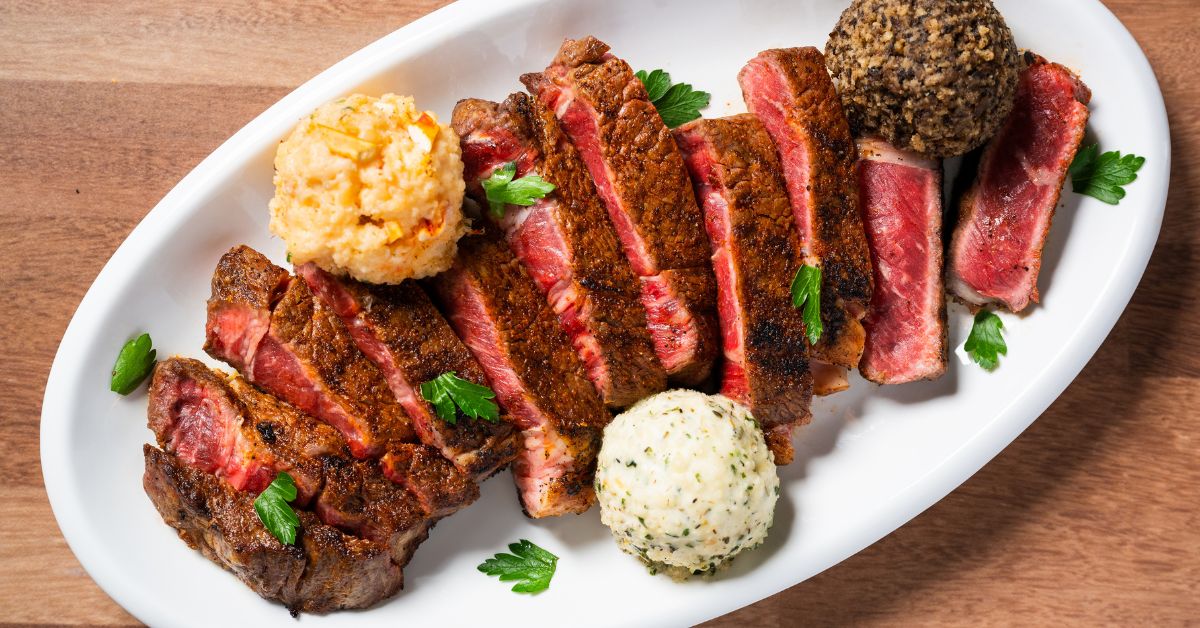
Today, home cooks value the same qualities that made the New York Strip a favorite in legendary steakhouses. A properly heated pan or grill allows the steak to develop a rich crust while preserving its juicy interior. The steak’s firm texture makes it easy to slice and serve, creating a clean presentation on the plate.
Many cooks favor the strip because it strikes a satisfying balance between tenderness and texture. The steak feels substantial while remaining tender enough to deliver a refined dining experience at home. Its versatility means it works just as well for a quick weeknight dinner as it does for celebrating a special occasion.
A Steak With a Lasting Legacy
A deep dive into the history of the New York Strip Steak reveals much more than the story of a single cut of beef. It’s a window into the traditions of American butchery, the legacy of iconic steakhouses, and the lasting appeal of a perfectly cooked steak.
Generations of chefs and diners helped build the reputation of this classic cut. Today, that legacy continues in kitchens across the country where cooks value precision, flavor, and craftsmanship.
For those who appreciate exceptional beef, finding a New York Strip Steak for sale from a trusted source allows this historic cut to shine exactly as it has for generations. Explore The Linz Shop’s selection of expertly cut steaks and bring steakhouse-level flavor to your own kitchen. With the right cut and proper technique, you can turn a simple dinner into something truly memorable.