

Cooking dry-aged steak without losing flavor requires extreme care and a genuine appreciation for the special cut you're using. Dry-aged beef develops complex, concentrated flavors through a careful aging process that can last weeks or even months. When you bring this premium product into your kitchen, you want every bite to showcase the nutty, buttery notes and tender texture that set it apart from conventional beef.
The good news? You don't need complicated techniques or specialized equipment to prepare dry-aged steak properly. You need to understand a few fundamental principles and avoid the common mistakes that rob your steak of its signature taste.
Start With Room Temperature Meat
Cold steak straight from the refrigerator cooks unevenly. The exterior chars before the interior reaches your desired temperature, leaving you with a gradient of doneness rather than edge-to-edge perfection.
Pull your steak from the refrigerator 45 to 60 minutes before cooking. This step allows the meat to reach room temperature, promoting even cooking throughout. Pat the surface completely dry with paper towels. Moisture creates steam when it hits the hot pan, and steam prevents the crispy, flavorful crust you want.
Season Simply and Generously
Dry-aged beef brings its own distinct flavor profile to the table. You don't need elaborate rubs or marinades that mask the taste you paid for. Coarse salt and freshly ground black pepper enhance the meat without overwhelming it.
Season both sides liberally right before cooking. The salt draws out moisture, which helps create that coveted crust. Some cooks prefer to salt their steaks hours in advance, but for dry-aged beef with lower moisture content, salting immediately before cooking works fine.
Choose High Heat and the Right Fat
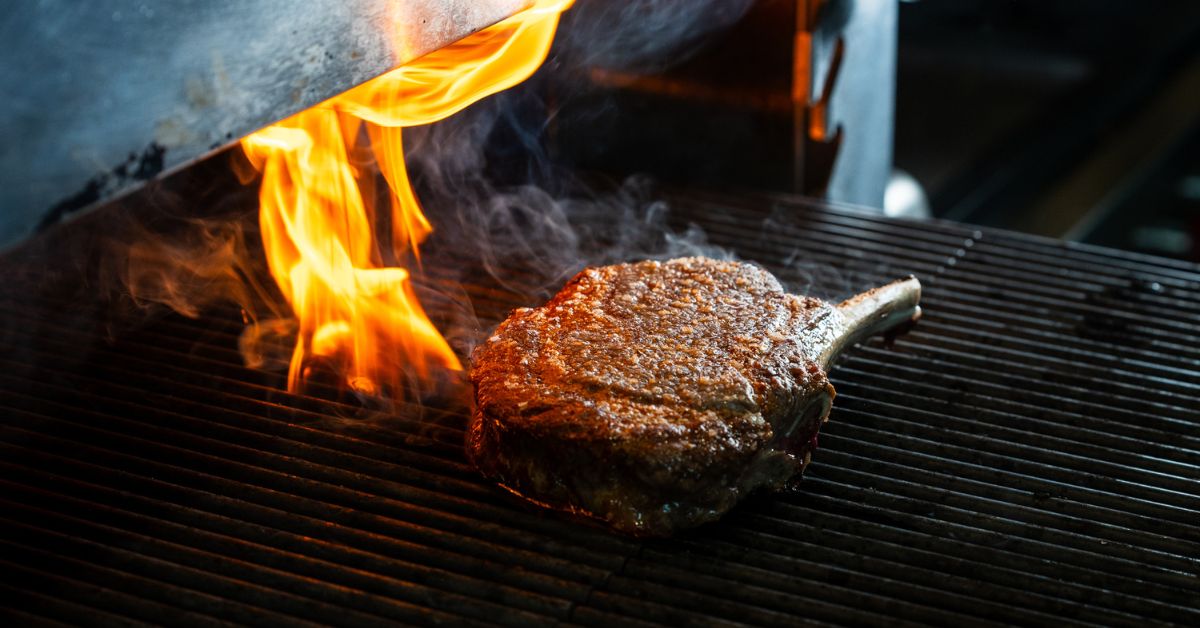
Your pan or grill needs to reach a high temperature before the steak makes contact. A screaming-hot surface triggers the Maillard reaction, the chemical process that develops rich, savory flavors and that signature brown crust.
For pan-searing, use oil with a high smoke point. Avocado oil, refined safflower oil, or clarified butter can withstand the intense heat without burning and imparting bitter flavors. Regular butter burns too quickly at high temperatures, though you can add it later for basting.
Heat your cast-iron or heavy-bottomed stainless-steel pan over high heat for several minutes. You'll know it's ready when a drop of water sizzles and evaporates instantly. Achieving the right level of heat ensures a mouthwatering crust while locking in the juices that make each bite unforgettable.
Don't Touch It
Place your steak in the pan and resist the urge to move it around. Let it sit undisturbed for 3 to 4 minutes, depending on thickness. This patience allows the crust to develop correctly. If you flip too early or press down on the meat, you lose precious juices and hinder browning.
Flip only once. Cook the second side for another 3 to 4 minutes for medium-rare perfection, adjusting time based on your preferred doneness and the steak's thickness.
Use a Thermometer, Not a Timer
Timing guidelines provide a starting point, but every steak varies slightly in thickness and composition. A reliable instant-read thermometer removes the guesswork and prevents overcooking.
Here are the target internal temperatures for different levels of doneness:
- Rare: 120-125°F
- Medium-rare: 130-135°F
- Medium: 135-145°F
- Medium-well: 145-155°F
Insert the thermometer into the thickest part of the steak, away from any bones. Remember that the temperature continues to rise about 5 degrees during resting, so pull your steak just before it reaches your target.
Rest Your Steak Properly
This step separates good home cooks from great ones. When you remove the steak from the heat, the muscle fibers contract, pushing juices toward the center. Cutting immediately causes those flavorful juices to spill onto your cutting board instead of staying in the meat.
Transfer your steak to a clean plate or cutting board and let it rest for 5 to 10 minutes. The internal temperature will continue to climb, and the juices will redistribute throughout the meat.
This short pause after cooking allows the full flavor and tenderness of your dry-aged steak to develop, making a noticeable difference in the final result. When you finally cut into it, each slice remains juicy and tender.
Enhance, Don’t Mask
To elevate a dry-aged steak without overpowering it, finish with restraint. During the final minute of cooking, add a small pat of high-quality butter, a few sprigs of fresh thyme, and lightly smashed garlic cloves to the pan. Baste gently, allowing subtle richness and aromatics to complement the steak’s naturally bold flavor.
You can also finish your steak with flaky sea salt for a pleasant textural contrast and a final burst of seasoning. A touch of high-quality salt at the end amplifies the steak’s natural flavor, ensuring every bite is perfectly seasoned and deeply satisfying.
Slice Against the Grain
After resting, examine your steak to identify the direction of the muscle fibers. These lines run parallel through the meat.
Cut perpendicular to these fibers to shorten them and create a more tender bite. If you slice with the grain, the meat will be much chewier, and you’ll miss out on the melt-in-your-mouth tenderness that sets dry-aged beef apart.
Use a sharp knife and cut in smooth, confident strokes. Ragged, sawed edges tear the meat and release juices unnecessarily.
Trust the Process
Cooking dry-aged steak without losing flavor comes down to preparation, heat management, and restraint. You've chosen exceptional beef that brings intensity and depth that regular steak simply can't match. Your job isn't to complicate the process but to execute the basics flawlessly.
When you master these techniques, dry-aged steaks reveal their full potential. Every element works together: the concentrated flavor from the aging process, the savory crust from proper searing, the tender texture from appropriate resting. You’ll create an experience that rivals any high-end steakhouse, right in your own kitchen.
At The Linz Shop, we've spent decades perfecting our craft from seedstock to your table. We know the care that goes into producing exceptional dry-aged beef and want you to honor that work with cooking methods that preserve and highlight every nuance of flavor. By following these straightforward techniques, you’ll make the most of your investment and enjoy a dry-aged steak that’s truly memorable.