

If you’ve cooked your share of great steaks, you know that quality starts with what you bring home from the butcher, long before you fire up the stove. Yet grading labels can be confusing, especially when a Ribeye looks better than the so-called "higher grade" steak next to it.
That’s why it’s worth debunking common steak grading myths and misconceptions before you spend your hard-earned money on premium beef. You don’t need a lecture, just clear, useful facts for the next time you’re shopping.
What USDA Grading Really Measures
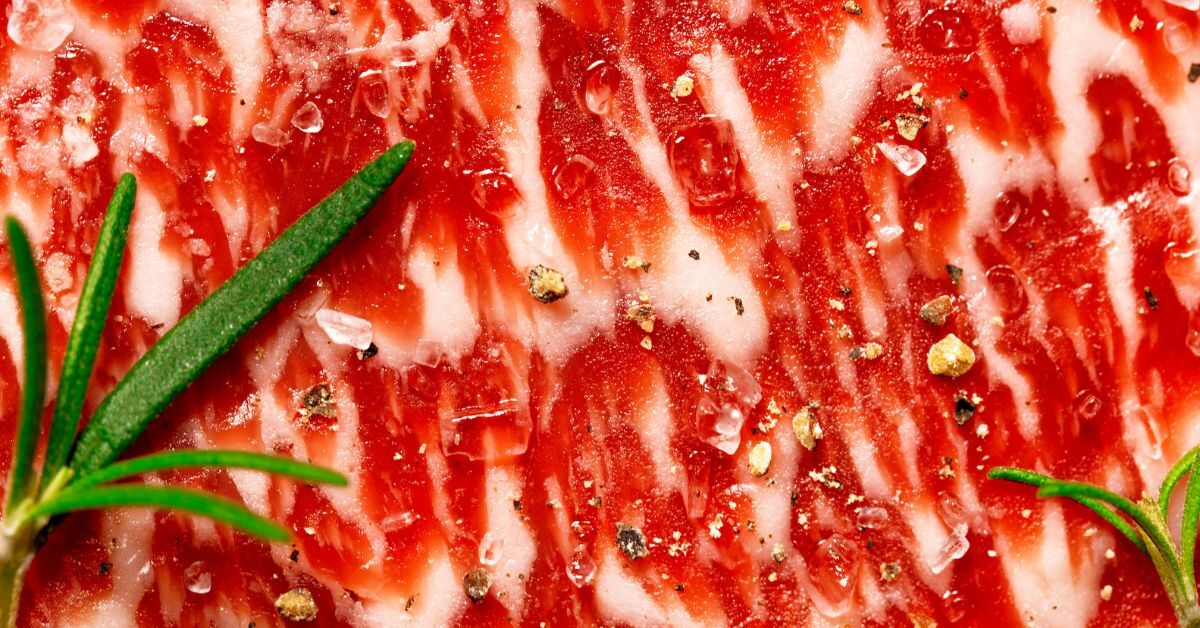
USDA grading focuses on two things: marbling and maturity, and that’s it. Marbling is the intramuscular fat you see as thin white lines, and it’s scored by trained graders under controlled conditions. Maturity is the animal’s age range, and it’s judged by bone and muscle characteristics.
Here’s the part people miss: grading is based on the whole carcass, not on the single steak in your hand. That means two steaks cut from different areas can look different even if they share the same grade. It also means the same grade can have a range of marbling, since the grade allows a band of scores.
If you’re buying from The Linz Shop, you’re already dealing with a program that controls genetics, harvest, and aging, so the “range” stays tighter. That consistency is why you’ll notice fewer surprises when you open the box and get cooking.
Understanding Prime, Reserve, and Choice Beef Grades
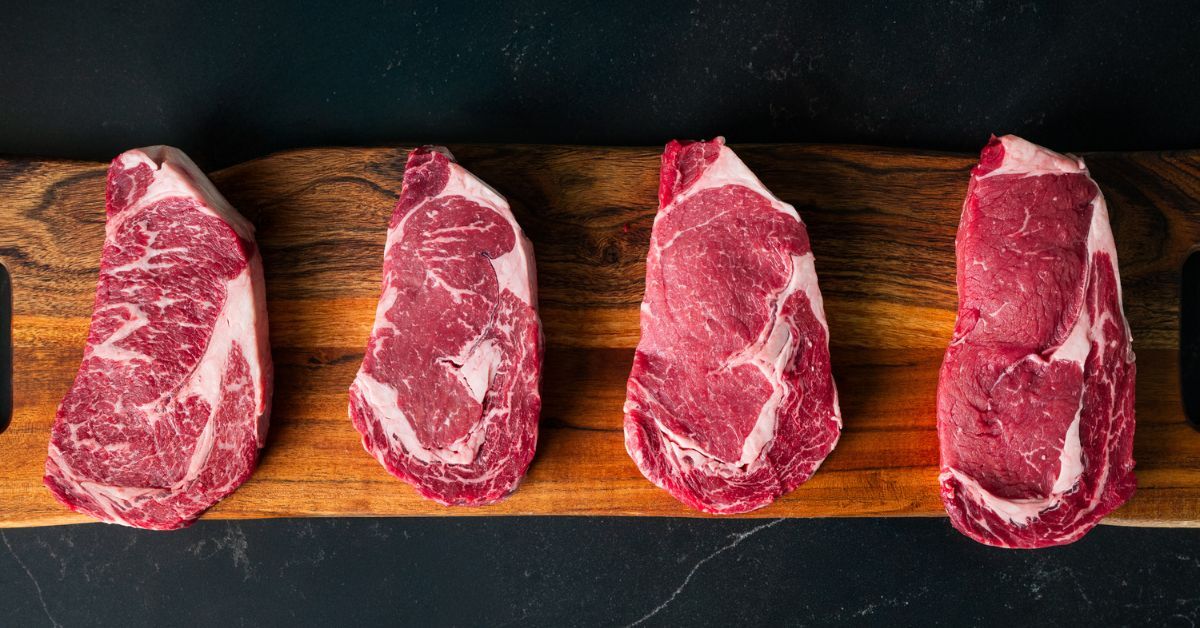
Prime has the most marbling of the standard retail grades, giving it a rich texture and making it more forgiving if you cook it a little longer or hotter. Reserve (Upper 2/3rds Choice) sits just below Prime, offering excellent marbling and consistency, with many cuts that cook up beautifully and deliver a premium eating experience. Choice is slightly leaner overall, so it requires more attention and can dry out more quickly if overcooked.
You can’t treat these grades like they guarantee a specific eating experience, because your cooking method still runs the show. Prime can handle a hotter sear and a slightly longer rest without drying out, while Choice benefits from stricter timing and a gentler approach. Reserve lives comfortably in the middle, rewarding good technique with impressive juiciness and a rich, beefy flavor.
When you’re shopping with intention, you’ll match the grade to how you cook. If you’re running a cast-iron pan at high heat, that extra marbling can be the difference between juicy and dry, and that’s a concrete, practical reason why grades exist.
Myth: Grade Automatically Means Tender
Tenderness isn’t something USDA grade measures, so you can’t treat the label like a tenderness score. Tenderness comes from the cut, the muscle’s workload, and how the steak’s handled after harvest. A Filet is tender because of its anatomy, not because of a stamp.
Ribeyes and Strip Steaks can feel tender when they’re cooked right and cut across the grain, but they’re not built the same way a Filet is. A Chuck-Eye can surprise you, and a poorly handled Strip can disappoint you, even at a higher grade.
Aging also changes tenderness, and it’s separate from grade. If the steak’s been aged with care, enzymes have had time to relax muscle fibers, and that texture shows up on your plate. You’ll get more consistent tenderness from trusted sourcing and proper aging than from chasing grade alone.
Myth: Higher Grade Always Means Better Flavor
Flavor doesn’t come from marbling alone, even though marbling certainly helps. Flavor comes from fat composition, aging method, and how the steak browns during cooking. A steak with moderate marbling and excellent aging can taste more flavorful than a highly marbled steak that’s rushed through processing.
However, marbling is still essential because fat carries aromatic compounds and contributes to juiciness. You’ve probably noticed a deeper, richer beef flavor when you’ve cooked a well-aged steak.
Another reality is that flavor is tied to consistency, and consistency comes from genetics and management. The Linz Shop’s vertically integrated program reduces variability, keeping the flavor profile consistent from order to order. When you know what you’re getting, you can season simply and cook confidently, and that’s what serious home cooks want.
Dry-Aged and Wet-Aged Don’t Change the Grade
Aging is a post-harvest process, so it doesn’t change the USDA grade that was assigned earlier. Wet aging in vacuum packaging builds tenderness while maintaining a cleaner, fresher beef profile. Dry aging concentrates flavor as moisture evaporates, developing those nutty, woodsy, earthy notes people chase.
You’ll pick based on the eating experience you want and how you plan to cook. If you love a bold crust and deep beef flavor, dry-aged cuts can deliver that.
What’s important is that the aging is done with tight control. Temperature, humidity, airflow, and trimming standards decide whether aging improves the steak or wastes it, and that’s where high-end programs separate themselves from commodity beef.
Myth: A Fancy Label Replaces Real Standards
Some brands slap marketing language on beef, and they hope you won’t ask questions. You shouldn’t accept vague terms as proof of quality, because they don’t tell you anything measurable. Objective standards come from traceability, consistent sourcing, and repeatable processes.
That’s where a vertically integrated program matters, because it controls inputs from genetics through aging and cutting. When a program tracks lineage and manages each step, the product stays consistent, and you can count on it cooking the way you expect.
When you’re buying from The Linz Shop, you’re paying for that discipline and repeatability, not for a flashy adjective. You’ll notice it in how evenly the steaks are cut, how the marbling looks across orders, and how reliably they sear, rest, and slice.
Matching Grade To Your Cooking Style
If you like to sear your steaks over high heat, marbling acts as a safety net. The fat helps lock in moisture, so your steak stays juicy even at higher temperatures. Prime is the best choice for this style, offering extra richness and a little more room for error. If you prefer grilling with more control over the heat, Choice is a great option. You can still get plenty of beefy flavor without having to pay for the highest grade.
If you sous vide and finish with a nice sear, you can make leaner steaks taste good, but you’ll still benefit from some marbling. That quick finishing sear needs a dry surface and good airflow on the steak, and you already know how important that is for browning.
No matter the method, you’ll get better results by choosing the proper cut and cooking it to a clear endpoint than by blindly chasing a grade label. You’re the one controlling the heat, the rest, and the slice, and those choices decide the final texture.
Buying With Confidence at The Linz Shop
You’ve got the skills, so buy beef that meets your standards. Debunking common steak grading myths and misconceptions comes down to this: Grade is one way to judge a steak, but true quality is shaped by the whole journey from ranch to table.
If you’re looking for a steak that really stands out, a Tomahawk Ribeye steak is hard to beat. Its generous marbling delivers classic Ribeye flavor and an impressive look at the table.
Just season it simply, cook it with care, and let it rest as usual. When you start with high-quality beef, the rest is easy, and you’ll end up with a meal you’ll want to make again.