
You’ve got your grill fired up and your salt and pepper ready. But which cut of beef are you reaching for? When it comes to a showstopping meal, two cuts often steal the spotlight: filet mignon and ribeye. Both are beloved, but they offer wildly different dining experiences.
So, which is better, filet mignon or ribeye? This guide will dive into everything from flavor and tenderness to cooking methods and nutrition, helping you choose the perfect steak for your next meal.
The Anatomy of Flavor
Let’s start at the basics: where does each cut come from, and what does that mean for flavor?
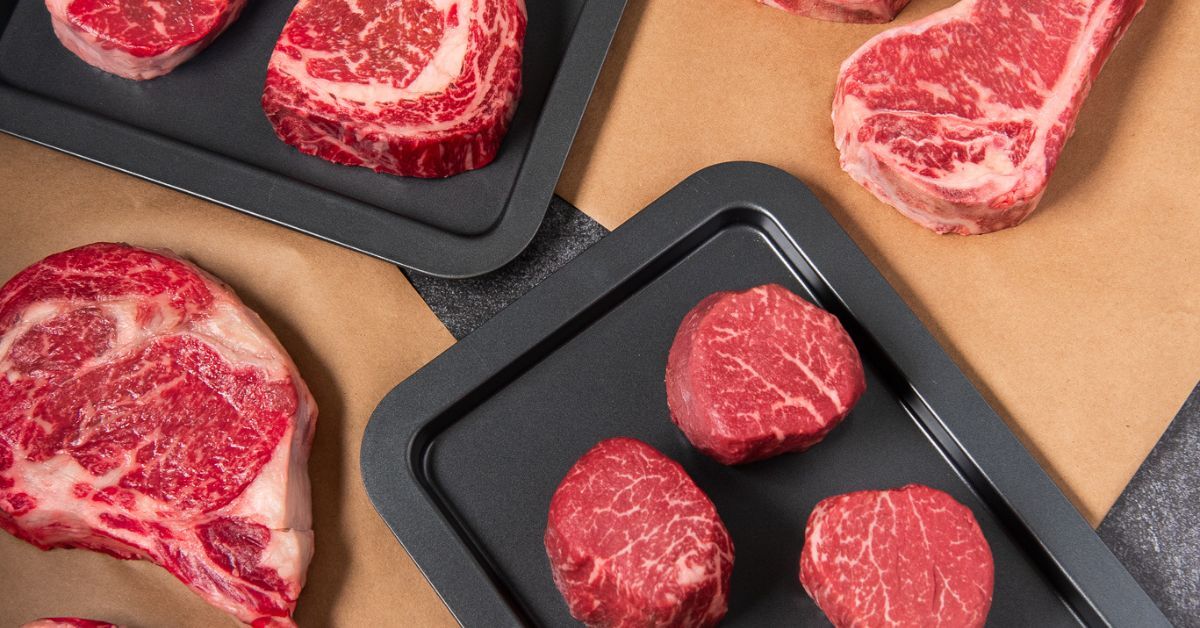
Filet mignon is sourced from tenderloin, a slender muscle running along the spine. Since the cow doesn’t use this muscle a lot, the meat is exceptionally tender and fine-grained. Filet’s mild flavor is subtle, buttery, and clean, ideal for elegant presentations.
On the flip side, ribeye is carved from the upper rib section. Here, you’ll find beautiful marbling. This marbling is the secret to the ribeye’s bold, beefy, and robust taste. As the ribeye cooks, the melting fat naturally bastes the meat, delivering a juicy and deeply flavorful bite that steak connoisseurs crave. The difference in fat content doesn’t just shift the flavor; it also transforms the way each steak cooks and tastes.
Texture and Tenderness
When it comes to texture, filet mignon stands above the rest for its pure tenderness. Each bite melts in your mouth. The muscle fibers are so fine and delicate, you hardly need a steak knife. If tenderness is your top priority, filet mignon won’t disappoint.
Meanwhile, ribeye has a pleasing contrast of textures. It’s tender, yes, but it also has more bite and chew thanks to the marbling and slightly larger muscle fibers. Each slice delivers rich juiciness due to the pockets of delicious fat that stay moist during cooking. This natural marbling elevates the experience, giving you a steak that’s hearty and refined.
Your preference might come down to whether you want that ultra-smooth, velvety tenderness or a juicier steak with a satisfying chew.
Cooking Methods: Bringing Out the Best
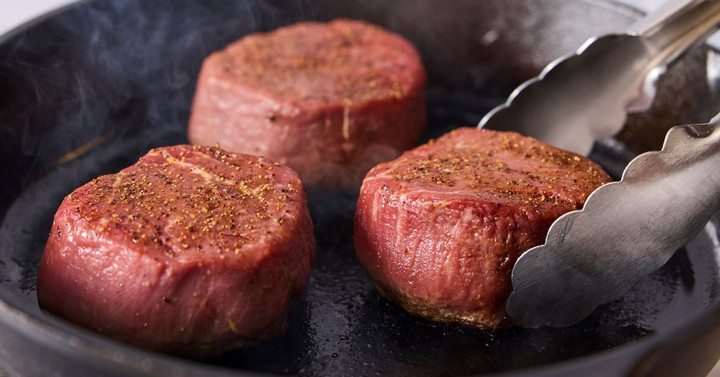
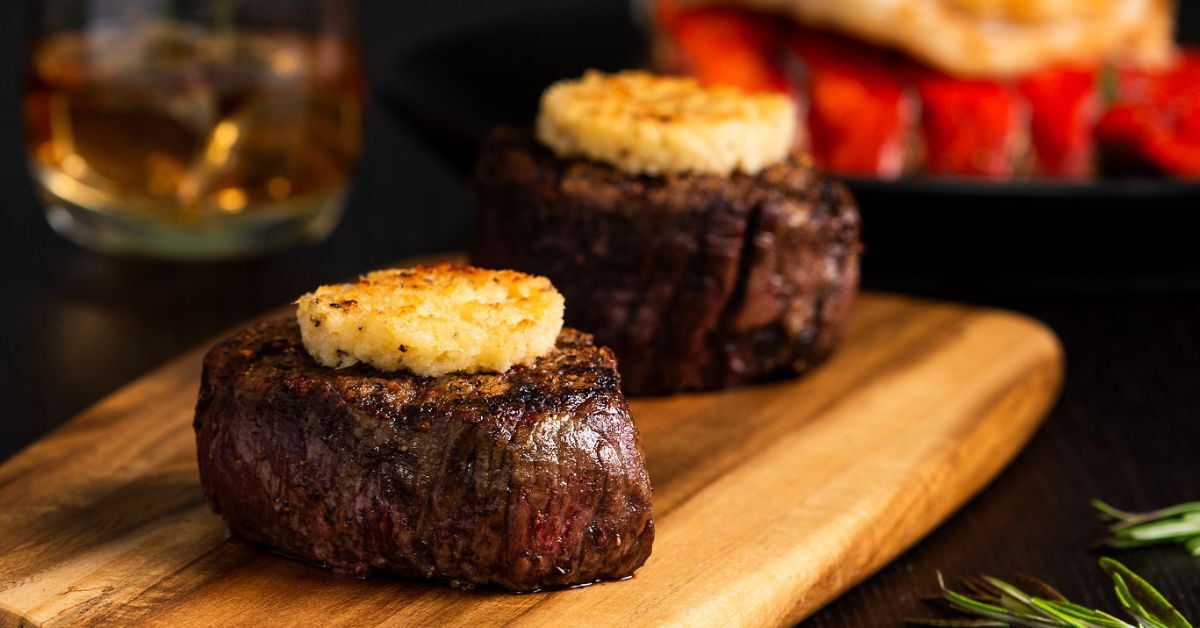
The way you cook your steak impacts its flavor and texture. Both cuts shine when given a little extra attention to detail. Filet mignon, due to its lean texture, shines with precise, gentle cooking. Try a pan-sear in a hot cast-iron skillet, finishing in the oven for consistent doneness. This cooking technique gives you a crisp crust while keeping the inside tender. Sous vide is also ideal; it guarantees a perfect medium-rare and minimizes the risk of overcooking.
Ribeye requires a different approach. The ample fat of this steak makes the cut perfect for high-heat grilling, where flames give it a smoky char. A cast-iron skillet is another go-to, delivering a beautiful sear. Thicker ribeyes cook up beautifully with a reverse sear: start them in a low oven, then finish on searing heat to lock in flavor and juiciness.
Keep in mind a universal chef tip that works for cooking any cut of beef: let your steak rest for 10 minutes before slicing into it to let those precious juices redistribute. Also, no matter which cut you choose, always cut against the grain for ultimate tenderness.
Value for Money
Let’s talk about value: is price everything, or does satisfaction win out? Filet mignon typically costs more per pound. That cost comes down to a limited selection and its tenderness. For many, it’s worth every penny.
Ribeye, by contrast, is often more affordable per pound (and has a larger serving size). Its big flavor punch can make you feel like you’re getting more for your money. In the end, better value depends on your priorities. If you’re chasing delicate luxury and tenderness, go for the filet. If you want a steak with bold flavor and hearty satisfaction, ribeye is your ticket.
Choosing the Right Cut for the Occasion
The best steak for you often comes down to the experience you want to create. A 10-oz. filet mignon is the star at formal dinners or romantic nights in. If you want to pair wine with this cut of meat, try Pinot Noir or Cabernet Sauvignon. Both enhance the filet’s flavors subtlety without overpowering it.
Craving a bold, classic steakhouse experience? The ribeye was made for backyard grilling, rustic meals, and steak purists who want beefy flavor front and center. Pair this cut with a full-bodied red blend or a Zinfandel; these wines can stand up to the ribeye’s richness. Classic sides, such as roasted potatoes or grilled vegetables, let this cut shine.
Expert Tips To Elevate Either Cut
Want to achieve steak perfection? Here’s how:
- Bring your steak to room temperature before cooking for even cooking throughout.
- Season generously with coarse salt and fresh ground pepper up to an hour before cooking for deeper flavor and a beautiful crust.
- For an extra boost, butter-baste during the final sear with aromatics like garlic and thyme.
- Invest in quality and choose prime-grade or dry-aged steaks from reputable sources. The right cut will transform your results.
- Use a meat thermometer for spot-on doneness, and, whatever you do, never skip the resting step for juicy, mouthwatering results.
The chef’s secret? Tender-loving care paired with high-quality beef will set you apart every single time.
Discover Exceptional Steaks From The Linz Shop
If you’re looking to experience top-tier steak at home, The Linz Shop is a trusted source for serious home cooks. We specialize in butchered standout cuts like filet mignon and ribeye, all sourced from American Black Angus cattle. With an emphasis on quality built through generations of butchers, The Linz Shop brings these premium cuts straight to your door, making it easy to savor restaurant-caliber steak nights in your own kitchen.
So, after this deep dive, which is better, filet mignon or ribeye? The answer depends on your taste, mood, and the memory you want to create. Consider the occasion, trust your preferences, and let your expertise shine. Now, with these insights, you’re ready to turn any steak night into a celebration. Give both cuts a try—your perfect favorite is waiting.