
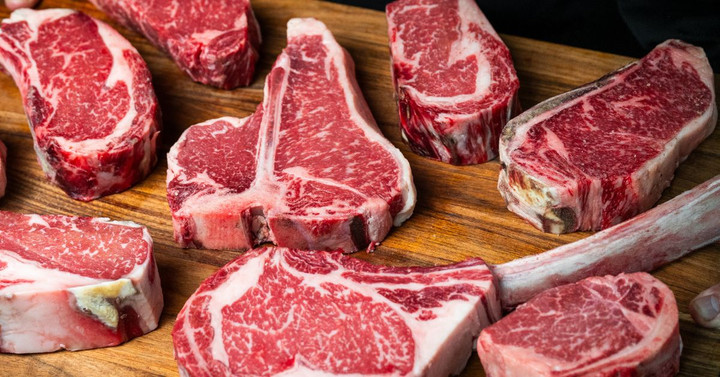
Dry-aging doesn’t just elevate beef. It unlocks an entirely new world of flavor. As steaks age, they develop deeper aromas, richer textures, and a signature taste that sets them apart from anything you’ll find in a typical meat case. Discovering the flavor profiles of 30 and 60-day-aged steaks helps you choose the cut that matches your palate, your menu, and the moment.
At The Linz Shop, we've spent decades perfecting our dry-aging techniques to deliver unparalleled quality to discerning home chefs and professional kitchens. The aging duration directly influences texture, tenderness, and taste, creating distinct characteristics that elevate your dining experience.
Whether you gravitate toward the balanced richness of 30-day-aged beef or the intensified complexity of 60-day-aged cuts, each option delivers exceptional results. Our commitment to high-quality Angus seedstock ensures that every steak starts with superior genetics and marbling, providing the ideal foundation for aging.
The time-honored tradition of dry-aging concentrates flavors while natural enzymes break down muscle fibers, resulting in butter-tender steaks with remarkable depth. With the right cut and aging length, you’ll experience steak in its most unforgettable form.
The Science Behind Dry-Aging
Dry-aging relies on meticulously controlled conditions that deepen flavor and naturally tenderize the meat. Inside specialized aging rooms, beef rests at carefully balanced temperature and humidity levels, giving natural enzymes the perfect environment to create exceptional tenderness and rich flavor.
During this period, moisture slowly evaporates from the muscle tissue, concentrating the beef's inherent flavors and creating that coveted dry-aged character. The process requires patience, expertise, and premium-quality beef to achieve optimal results.
Proteolytic enzymes naturally present in the meat break down complex proteins and connective tissues, changing the texture from firm to fork-tender. Simultaneously, fat oxidation occurs at a controlled rate, developing rich, complex flavors that you simply cannot replicate through other methods.
The longer aging period allows these biochemical processes to progress further, intensifying both tenderness and taste. This natural transformation preserves the integrity of the beef while, over time, enhancing its finest qualities through careful monitoring.
30-Day Aged Steak: Balanced Excellence
The 30-day aging period delivers a beautifully balanced flavor and enhanced tenderness, appealing to a wide range of palates. Your steak develops a robust, beefy taste with subtle nutty undertones that complement rather than overpower the natural Angus character.
This aging duration provides the perfect middle ground between fresh and intensely aged profiles, offering complexity without overwhelming richness. The texture is noticeably more tender than that of unaged beef, with a pleasant yielding quality when cut.
Cuts like Ribeye and Strip Steak shine at this aging milestone, displaying excellent marbling integration and moisture retention. The fat renders beautifully during cooking, basting the meat from within and creating exceptional juiciness.
You'll notice a clean finish that highlights the beef's quality, making this option ideal for those who appreciate refined flavor without extreme intensity. The 30-day window allows enough time for significant tenderization while maintaining a familiar, approachable taste profile that pairs wonderfully with simple seasonings.
60-Day Aged Steak: Intensified Complexity
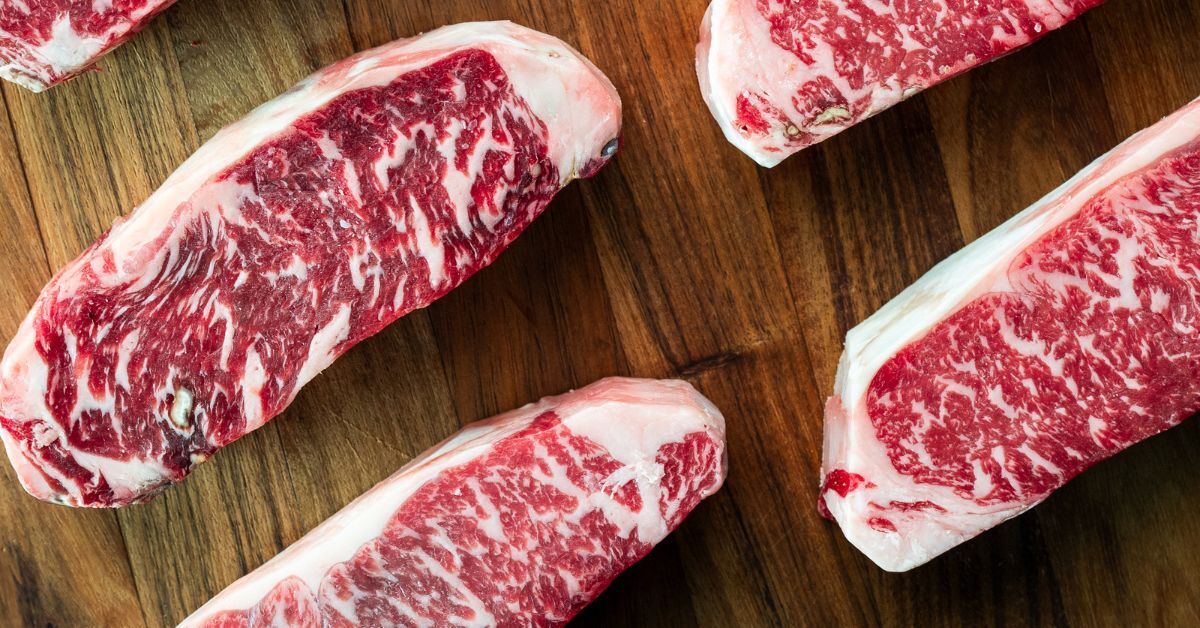
The 60-day aging process enhances flavor development, distinguishing it from shorter aging periods and creating a steak for the true connoisseur. Compared to less-aged steaks, your palate discovers more concentrated beef flavors, layered with nutty, woodsy, and earthy notes that reveal the full potential of dry-aging.
This extended period allows for peak enzymatic tenderization, yielding steaks that melt on your tongue beyond what younger cuts offer. The flavor grows more pronounced, delivering a bold, refined taste that commands attention in a way that shorter-aged steaks do not.
Premium cuts like bone-in Ribeye truly shine at this stage, developing a depth and character that earlier aging simply cannot match. With more time, the beef’s natural richness becomes more pronounced, and the signature dry-aged flavors enthusiasts love grow even bolder, creating a flavor experience far beyond standard cuts.
You'll notice a more robust umami with lingering complexity that evolves with each bite, distinct from the simpler flavor profile of less-aged steaks. This option suits seasoned beef lovers who value the full range of dry-aged traits and prefer steaks with assertive, singular flavors that shine on their own.
Choosing the Right Age for Your Preferences
Selecting between 30-day- and 60-day-aged steaks depends on your flavor preferences and the dining experience you want to create. Consider these factors when making your decision:
- Flavor Intensity: Choose 30-day for a balanced richness or 60-day for a bold, concentrated taste.
- Texture Preference: Both offer exceptional tenderness, with the 60-day providing a slightly softer texture.
- Occasion: 30-day-aged steaks are perfect for everyday enjoyment, while 60-day-aged cuts add a touch of luxury to special celebrations.
- Cut Selection: Fattier cuts like Ribeye develop beautifully with extended aging, while leaner cuts reach their best flavor in around 30 days.
Your own taste preferences are the best guide for choosing the right steak. Many home chefs keep both options on hand, picking between them depending on the occasion and menu.
The 30-day option is versatile, working well for a variety of preparations and pleasing guests with different tastes. In contrast, 60-day-aged steaks make a striking centerpiece, highlighting your love for truly exceptional beef. Trying both aging lengths allows you to explore their unique qualities and find the flavors that best match your culinary style.
Preparing Your Aged Steak at Home
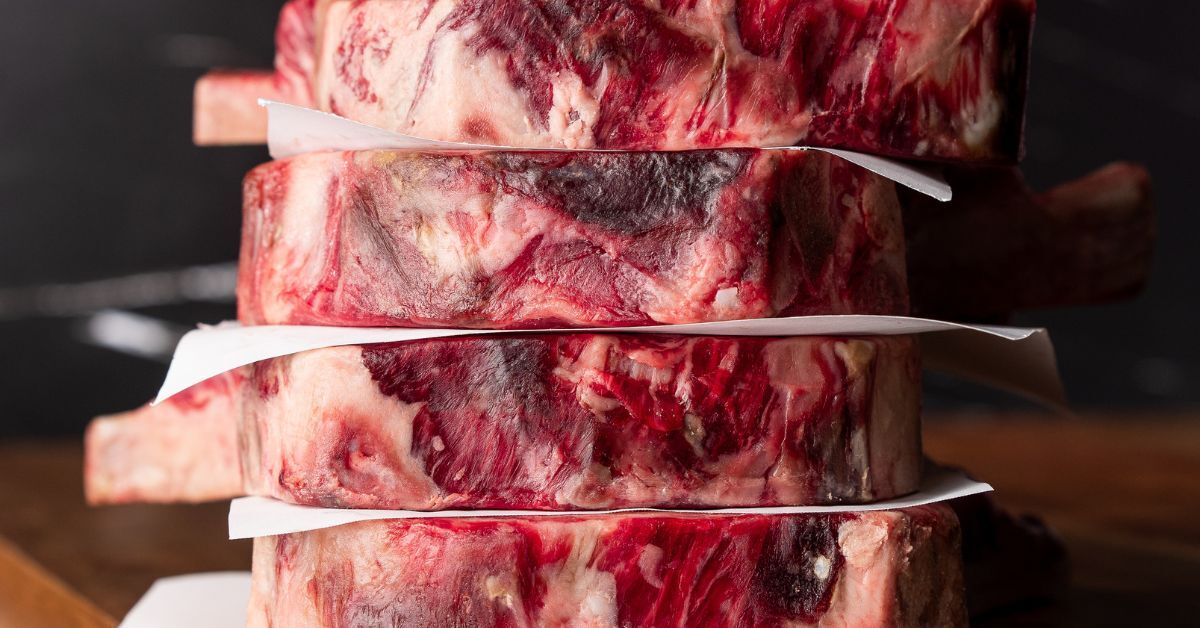
With the right setup, your kitchen makes it easy to highlight the flavors of these premium aged steaks. Let the steak come to room temperature for about 30 minutes before cooking to ensure even heating.
Keep the seasoning simple with coarse salt and freshly cracked black pepper, letting the quality of the beef shine. Cooking over high heat, whether searing in a cast-iron pan or grilling, creates a beautiful crust while keeping the interior perfectly tender and juicy.
Use a reliable meat thermometer to achieve your desired doneness. Rest your steak for at least five minutes after cooking, allowing juices to redistribute throughout the meat for optimal moisture and flavor.
The unique flavor profiles of 30 and 60-day-aged steaks really come alive when prepared simply, honoring the craftsmanship behind the aging process. At The Linz Shop, our dry-aged beef online delivers straight to your door, ready for you to serve as the centerpiece of an unforgettable meal, backed by decades of expertise and a dedication to premium quality.