

There’s nothing more disappointing than slicing into a beautiful Tomahawk Ribeye, only to find it dry or lacking in flavor. For steak lovers, preparing a Ribeye for maximum juiciness isn’t just a goal; it’s the key to unlocking everything this extraordinary cut has to offer.
When you start with a premium steak from The Linz Shop and use the right approach, you can overcome the common problem of dryness and ensure every bite of your meal is tender, juicy, and packed with flavor. The secret lies in Ribeye’s rich marbling, which, when prepared with care, melts during cooking, delivering that juicy bite everyone craves.
It’s the small steps that make the difference between a decently prepared Ribeye and one that’s unforgettable. Mastering these details helps you enjoy every bite at its juicy, flavorful best.
Why Ribeye Delivers Exceptional Juiciness
Ribeye comes from the rib section of the steer, an area known for abundant intramuscular fat. That fat weaves through the meat and slowly melts as the steak cooks, creating moisture and flavor that few cuts can match.
This marbling acts as a natural baste during cooking. As the fat renders, it coats the meat fibers, keeping the steak tender while adding a rich flavor profile.
Ribeyes also contain several distinct muscle groups, including the longissimus dorsi, the spinalis, and the complexus. Each muscle cooks slightly differently, creating subtle variations in texture across the steak.
The spinalis, often called the ribeye cap, delivers a rich tenderness, while the longissimus provides the familiar structure most people associate with a Ribeye. Together, these muscles give the steak its signature balance of tenderness and richness that experienced cooks appreciate.
When sourced from a trusted producer like The Linz Shop, a well-marbled Ribeye arrives with the consistency and craftsmanship that experienced cooks expect. Choosing the right supplier is the first step in ensuring your steak delivers both quality and taste.
Bring Your Steak to the Right Starting Temperature
Preparing your Ribeye starts long before you fire up your pan or grill. Letting the steak rest at room temperature helps it cook more evenly and lock in that all-important moisture.
Remove your steak from the refrigerator for about 30 to 45 minutes before cooking. This short time out of the refrigerator allows the steak to cook evenly so the center stays juicy while the outside develops a beautiful sear. You’ll notice a juicier, more tender result with this simple step.
Before adding any seasoning, pat the steak dry with paper towels. Removing excess moisture is important because it allows the steak to sear properly, giving you that crisp, golden crust rather than a steamed texture.
Season your Ribeye generously with kosher salt and freshly cracked black pepper. Ribeye has so much natural flavor that a simple seasoning of salt and pepper brings out its best qualities without overpowering the meat.
Use High Heat to Build a Proper Crust
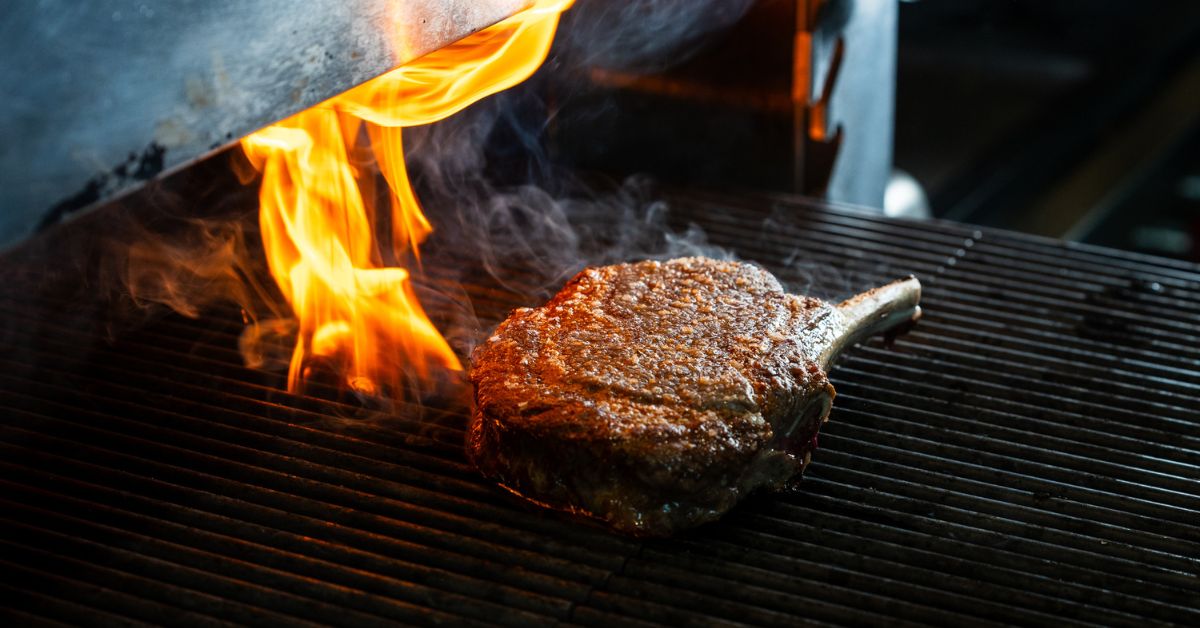
A good sear on your Ribeye locks in its flavor and creates a delicious, crispy texture that complements the steak’s juicy interior. To get that crave-worthy crust, you need high heat and a fully preheated cooking surface.
Start by heating a heavy skillet or grill until it’s extremely hot. Cast iron is a favorite among many home cooks because it retains heat well and delivers a consistent, golden-brown sear every time.
Before your steak hits the pan or grill, lightly brush it with olive oil or avocado oil. Both oils handle high temperatures and help you achieve that rich, brown crust without burning.
Once the cooking surface is ready, lay your Ribeye down and let it cook undisturbed for several minutes. Resist the urge to move it around; leaving the steak in place helps form that beautiful crust and ensures it stays moist and flavorful.
Monitor Internal Temperature Carefully
No matter how much experience you have in the kitchen, keeping a close eye on the temperature is essential when cooking a Ribeye. This cut rewards careful, attentive cooking with the juicy, tender results everyone craves.
A reliable instant-read thermometer takes the guesswork out of cooking and gives you confidence at every step. Rather than relying on timing alone, you can check the steak’s progress and adjust as needed to hit your perfect level of doneness.
Aim for these internal temperatures to get the best results from your Ribeye:
- Rare: 120–125°F
- Medium Rare: 130–135°F
- Medium: 140–145°F
Many steak lovers choose medium rare, since this temperature range is when the marbling has fully melted, and the meat stays tender and juicy. At this stage, the Ribeye’s signature richness and buttery texture really stand out, making each bite especially satisfying.
Take your steak off the heat when it’s about five degrees below your target temperature. The steak will continue to cook as it rests, reaching the perfect doneness without becoming dry. Letting your Ribeye rest away from the heat allows the juices to spread evenly throughout the steak, making every bite more tender and flavorful.
Rest the Steak Before Slicing
Resting is one of the simplest ways to keep your Ribeye juicy and delicious. If you cut into a steak right after cooking, those flavorful juices will escape onto the cutting board instead of staying in the meat where they belong.
Place the cooked Ribeye on a cutting board and let it rest for five to ten minutes. This short wait lets the meat fibers relax, allowing the juices to redistribute throughout the steak and resulting in a more tender, flavorful bite.
Resting also gives the steak’s temperature time to even out, so every bite from edge to center has the same juicy, consistent texture. This evenness makes for a more enjoyable eating experience and brings out the best in your Ribeye.
Slice Properly for the Best Eating Experience
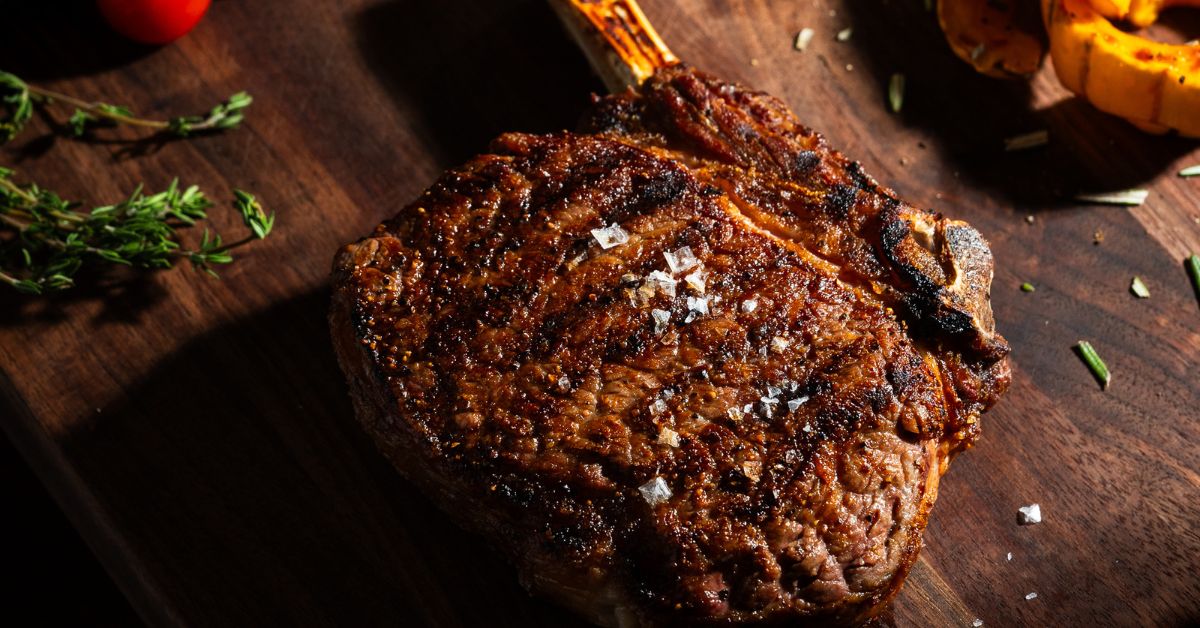
For the most tender, easy-to-eat bites, slice your Ribeye across the grain. Slicing across the grain helps break up the muscle fibers, making every bite soft and easy to chew.
Because Ribeye comes from several different muscle sections, the grain direction can shift across the steak. Take a moment to check which way the muscle fibers run before slicing, and adjust your knife angle as needed for the best texture. For maximum tenderness, cut the steak across the grain into thick slices.
A sharp carving knife makes it easy to create clean cuts and helps preserve the steak’s structure. Gently slicing helps those delicious juices stay inside the meat, keeping your ribeye juicy and full of flavor all the way through.
A Simple Approach Brings Out the Best in Ribeye
Too many home cooks have been disappointed by a dry or tough Ribeye after putting in time and effort. After learning how to prepare your Ribeye for maximum juiciness, you can cook this celebrated cut with confidence and serve a steak that’s truly memorable.
The Linz Shop delivers steaks with the consistency and craftsmanship home cooks can trust. Our vertically integrated approach means you receive beef with outstanding quality and traceability every time.
Whether you’re drawn to a classic boneless Ribeye or the showstopping presence of Tomahawk Ribeyes, thoughtful preparation is the solution to making the most of your steak. With solid technique and high-quality beef, you can turn every meal into a steakhouse-worthy experience at home.