
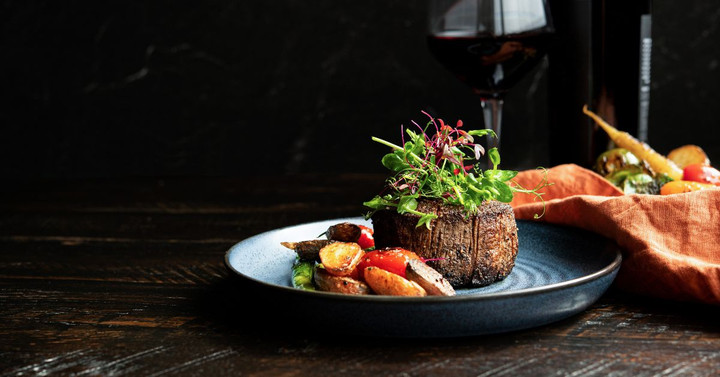
Cooking filet mignon can feel like a high-stakes culinary challenge. This prized cut of beef comes with a price tag that matches its reputation, and nobody wants to overcook or undercook such a beautiful piece of meat. The good news? Learning to recognize when your filet mignon reaches perfect doneness is easier than you might think. With a few reliable techniques and a little practice, you’ll confidently serve steaks that rival your favorite steakhouse every single time.
This blog walks you through the essential methods for checking filet mignon doneness, from using meat thermometers to mastering visual and tactile cues. You’ll also discover common mistakes that can ruin an otherwise perfect steak and pick up tips on searing and resting for optimal results.
What Makes Filet Mignon So Special?
Filet mignon comes from the tenderloin, a muscle that does very little work during the animal’s life, and this lack of exercise results in an incredibly tender cut with minimal connective tissue. The meat’s buttery texture and mild flavor make it a favorite among steak enthusiasts, though its delicate nature also means it requires careful cooking. Unlike fattier cuts that forgive slight overcooking, filet mignon can quickly turn from tender perfection to dry disappointment if left on the heat too long.
Understanding Meat Thermometers
A reliable meat thermometer is your best friend when cooking filet mignon. There are two main types: instant-read thermometers and leave-in probe thermometers. Instant-read models give you a quick temperature check when you insert them into the meat’s thickest part. At the same time, leave-in probes stay in the steak throughout cooking and continuously monitor temperature.
For the most accurate reading, insert your thermometer horizontally into the center of the steak, avoiding any fat or bone. Take the temperature from the side rather than the top to hit the true center of the meat. Digital instant-read thermometers typically provide results within seconds and offer precision within one or two degrees, which makes a significant difference when cooking a premium cut.
Clean your thermometer between uses, and calibrate it periodically by testing it in ice water or boiling water. When you’re shopping for quality filet mignon for sale, investing in a good thermometer pays dividends in consistently perfect results.
Visual Cues for Doneness
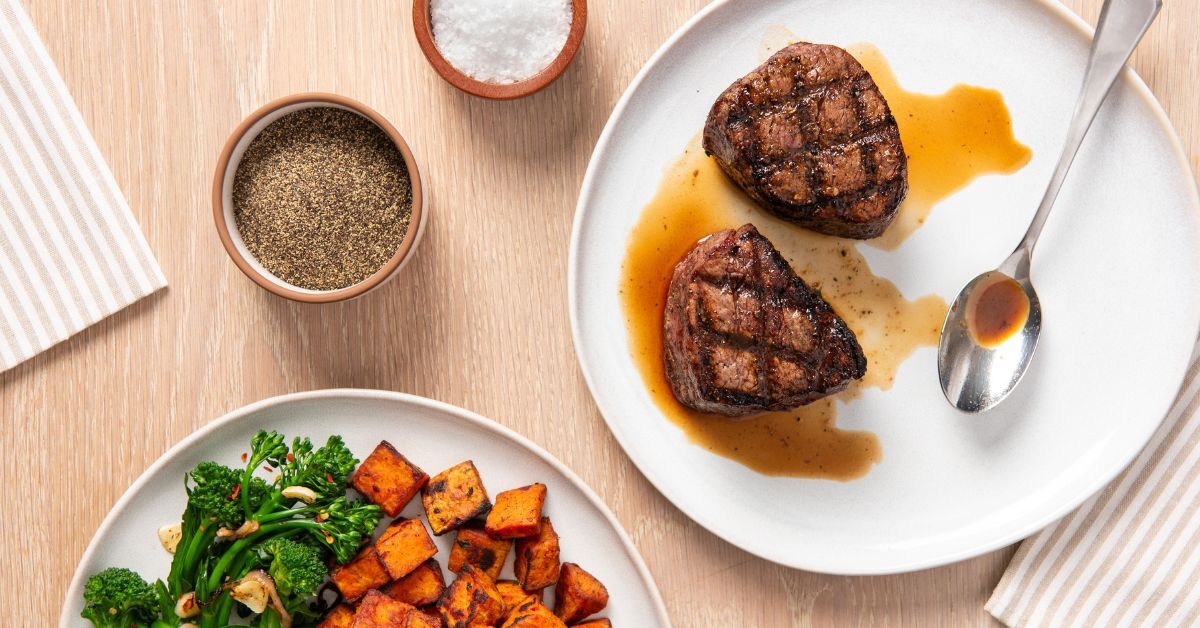
While a thermometer provides the most reliable data, visual cues offer helpful supplementary information. As filet mignon cooks, the exterior develops a rich brown crust, and the meat’s color changes from bright red to pink to brown, depending on your desired doneness level.
Rare steaks show a cool red center, while medium-rare steaks display a warm red center. Medium steaks have a pink center, and medium-well steaks show just a hint of pink. Well-done steaks have no pink remaining. The exterior should develop a flavorful, caramelized crust regardless of internal doneness, which occurs through the Maillard reaction, in which proteins and sugars interact at high heat.
Juices also provide clues. Red juices indicate rare to medium-rare doneness, pink juices suggest medium to medium-well, and clear juices typically mean well-done. However, juice color alone shouldn’t determine when you pull your steak from the heat, since other factors can affect juice appearance.
The Touch Test: Mastering the Art of Feel
The touch test allows you to gauge doneness by comparing the steak’s firmness to different parts of your hand. This technique takes practice but becomes incredibly useful once you develop the skill.
Relax your hand and touch your thumb to your index finger. Press the fleshy area below your thumb with your other index finger. This soft, yielding feel matches rare steak. Touch your thumb to your middle finger and press the same area—this slightly firmer feel resembles medium-rare. Your thumb to ring finger creates the firmness of medium, while thumb to pinky produces the firmness of medium-well to well-done.
When you press the center of your cooking steak with your finger or tongs, compare the resistance to these reference points. A rare steak feels very soft and offers little resistance. A medium-rare steak springs back slightly but still feels quite tender. A medium steak bounces back more readily, while a well-done steak feels quite firm.
Internal Temperature Standards
Temperature remains the most objective measure of doneness. These internal temperature targets will help you achieve your preferred level:
Rare steaks reach 120°F to 125°F and feature a cool, bright red center. Medium-rare steaks, which many chefs consider ideal for filet mignon, hit 130°F to 135°F and show a warm red center. Medium steaks reach 135°F to 145°F, with a pink center. Medium-well steaks range from 145°F to 155°F with just a sliver of pink, while well-done steaks exceed 155°F and show no pink at all.
Remove your steak from the heat about 5°F below your target temperature, since the meat continues cooking during its rest period through a process called carryover cooking. A steak pulled at 130°F will likely reach 135°F by the time you serve it, landing perfectly in the medium-rare range.
Searing and Resting: Critical Steps
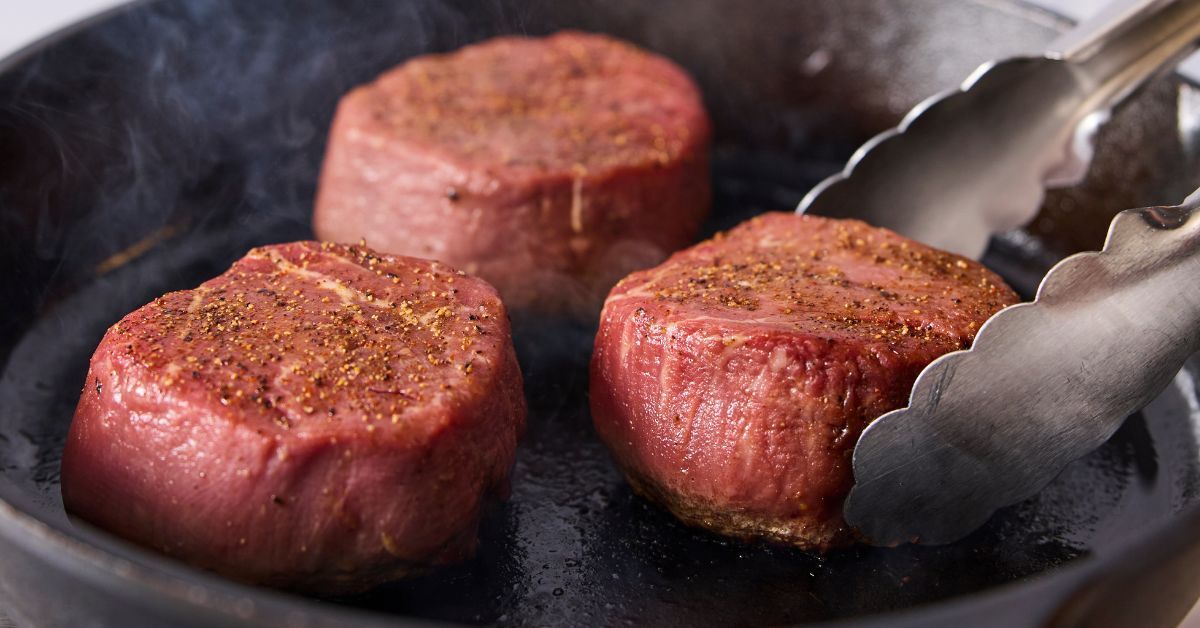
Proper searing creates that coveted crust while sealing in flavor. Heat your pan until it’s so hot that a drop of water sizzles and evaporates immediately. Pat your filet mignon completely dry before it hits the pan, since moisture creates steam that prevents proper browning. Make sure you season generously with salt and pepper just before cooking.
Put your filet mignon in the pan and resist the urge to move it around. Let it sit undisturbed for three to four minutes to develop a proper crust. You should only flip it once and sear the other side. For thicker steaks, you may need to finish cooking in a preheated 400°F oven after searing both sides.
Resting is just as important as cooking. Transfer your filet mignon to a cutting board and let it rest for five to ten minutes before cutting into it. During this time, the meat’s juices, which have been driven toward the center by cooking heat, redistribute throughout the steak. Cut into a steak immediately after cooking, and those precious juices run out onto your plate instead of staying in the meat where they belong.
Tent your resting steak loosely with foil if you worry about it getting cold, though a properly thick filet mignon retains heat quite well during a short rest.
Common Mistakes To Avoid
Starting with cold meat is one of the most frequent errors home cooks make. Understand that a refrigerator-cold steak cooks unevenly, with the exterior overcooking before the center reaches temperature. Take your filet mignon out of the refrigerator thirty to forty-five minutes before cooking to allow it to reach room temperature.
Using insufficient heat is another problem. Cooking the steak on a low heat results in gray, steamed meat rather than a beautiful brown crust. Your pan or grill needs to be hot enough to sear on contact. Similarly, overcrowding the pan drops the temperature and causes steaming rather than searing. Cook steaks one or two at a time, leaving plenty of space between each.
Flipping too frequently disrupts crust formation. Flip your steak just once for the best results. Avoid cutting into the meat to check doneness because it will release all those flavorful juices you worked hard to develop.
Finally, skipping the rest period produces a disappointing steak, no matter how perfectly you cooked it. Those few minutes of patience make an enormous difference in the final texture and juiciness.
Savor Every Bite
Cooking filet mignon to perfect doneness becomes second nature once you understand the key indicators and techniques. Temperature provides objective data, while visual and tactile cues offer supporting evidence that your steak has reached its ideal state. Practice these methods together, and you’ll develop an intuition for recognizing perfectly cooked meat.
The combination of proper temperature monitoring, careful attention to visual and touch cues, and patience during resting transforms a premium cut into an unforgettable meal. Your next filet mignon will showcase your newfound skills and deliver the tender, juicy results that make this cut so beloved. Take your time, trust your tools and instincts, and enjoy the satisfaction of serving steakhouse-quality results from your own kitchen.
Find the best filet mignon out there at Linz. Our cutz offer the finest flavor and texture, and they come right to your door! Check out the selection today!