

Gone are the days of cutting into a steak only to find it overcooked on the outside, undercooked in the center. Reverse searing has revolutionized steak preparation for both professional chefs and home cooks, delivering consistently perfect results that rival the finest steakhouses. The method offers a simpler, more reliable approach to achieving that coveted balance of tender, juicy interiors and beautifully seared exteriors.
Reverse searing guarantees exceptional results by harnessing science and precision. Find out why reverse searing your steaks is game-changing for your next home-cooked meal. This guide is your ultimate roadmap to mastering the method, with step-by-step instructions and insights to elevate your culinary skills.
What Is Reverse Searing?
Reverse searing flips the traditional steak-cooking process on its head. Instead of starting with a high-heat sear and finishing in the oven, you begin by slowly cooking the steak at a low temperature until it reaches your desired internal temperature. After that, you finish the steaks in a screaming-hot cast-iron pan or grill for the final sear and coveted crust.
Praised by chefs and home cooks alike, reverse searing has become the go-to method for thick, juicy steaks. The magic is simple: slow heat guarantees even doneness from edge to edge, and the final sear delivers steakhouse-level flavor right in your kitchen.
Why Reverse Searing Is Game-Changing
Perfect Temperature Control
The most significant advantage of reverse searing lies in its precision. By cooking the steak slowly at a low temperature first, you have complete control over the internal temperature. This eliminates the guesswork that comes with traditional methods, where the exterior can overcook while you're trying to bring the center up to temperature.
Enhanced Flavor
The slow, gentle cooking process allows enzymes in the meat to break down proteins more effectively, resulting in more tender and flavorful steaks. Additionally, the extended cooking time helps render fat more thoroughly, distributing rich flavors throughout the meat.
Restaurant-Quality Results at Home
Professional kitchens often use sous vide equipment or specialized ovens to achieve consistent results. Reverse searing gives home cooks access to the same level of precision using standard kitchen equipment. This makes it possible to create steakhouse-quality meals in your own kitchen.

The Science Behind Reverse Searing
Understanding the science behind reverse searing helps explain why this method produces superior results. When you cook a steak at low temperatures (around 200-275°F), the proteins coagulate gradually and evenly throughout the meat. This gentle process prevents the proteins from seizing up and squeezing out moisture, which commonly happens with high-heat cooking methods.
Ever wonder why a seared steak smells so incredible? Thank the Maillard reaction—the fancy name for the magic that happens when heat creates that golden-brown crust and deep, savory flavor. By saving this high-heat step until the end, you maximize browning while minimizing overcooking.
Tools of the Trade: What You'll Need
The right tools transform reverse searing from a good steak into a jaw-dropping, steakhouse-worthy experience.
Essential equipment:
- Meat thermometer (instant-read or probe thermometer)
- Cast-iron skillet
- Wire cooling rack
- Rimmed baking sheet
- Tongs
- High-heat cooking oil
- Salt and pepper
Step-by-Step Guide To Reverse Searing
Step 1: Choose Your Steaks
First, you must choose the right steaks for the best results. These are usually thicker-cut steaks, around 1.5 inches thick. Ribeye, New York strip, and filet mignon work exceptionally well with this method.
Step 2: Season and Rest
Season generously with salt and pepper at least 30 minutes before cooking. This allows the salt to penetrate the meat and enhance flavor.
Step 3: Low and Slow
Preheat your oven to 225°F. Place seasoned steaks on a wire rack set over a baking sheet. Cook until the internal temperature reaches 10-15°F below your target doneness.
Step 4: Rest and Heat
Remove steaks from the oven and let them rest for 5-10 minutes, depending on the thickness of the steak. Meanwhile, heat a cast-iron skillet over high heat until it is smoking.
Step 5: The Sear
Add a small amount of high-heat oil to the pan and sear the steaks for 1-2 minutes per side until a beautiful crust forms.
Reverse Searing on Different Cooking Setups
You don’t need to use the reverse searing method with one cooking setup. It can work in many ways!
- Gas Grill Setup: Use a two-zone setup with one side on low heat for the initial cooking phase, then move to the high-heat zone for searing.
- Charcoal Grill Method: Create indirect heat zones. Start steaks on the cooler side, then finish directly over hot coals.
- Indoor Alternative: The oven-to-stovetop method works perfectly for apartment dwellers or when outdoor grilling isn't possible.
Common Mistakes To Avoid
Many home cooks make the error of rushing the low-temperature phase. Patience is crucial for achieving the even cooking that makes reverse searing so effective. Additionally, skipping the resting period between oven and sear can result in overcooking.
Another frequent mistake involves using steaks that are too thin. This method works best with thick cuts that can benefit from the gradual temperature increase.
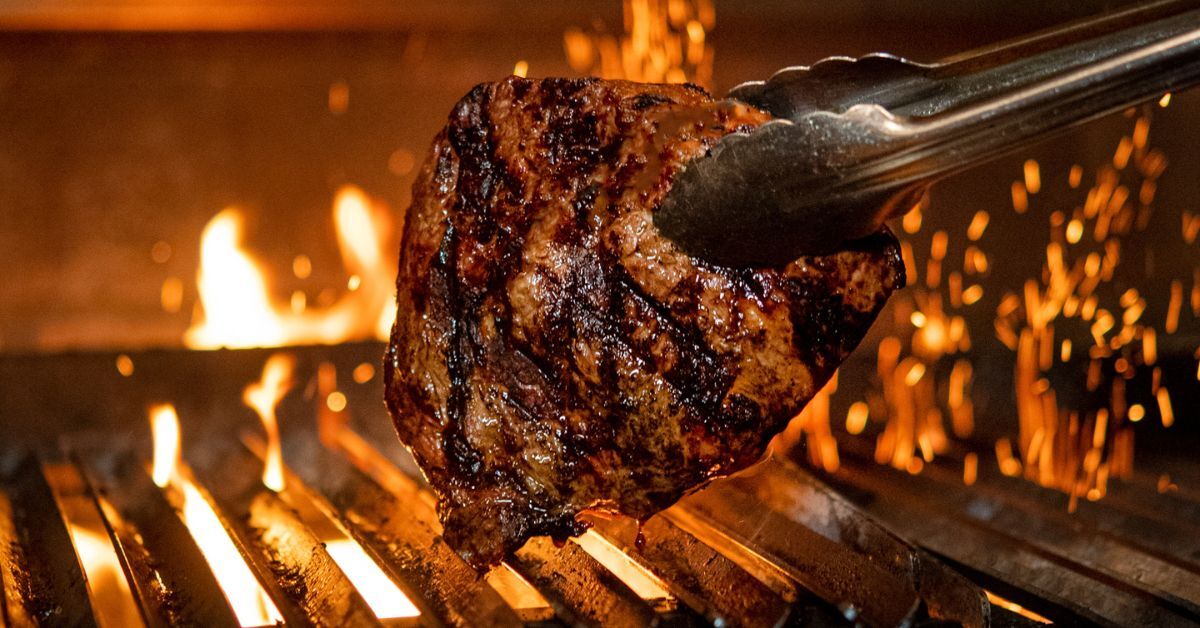
Reverse Searing vs. Traditional Searing
While traditional searing certainly has its place, reverse searing offers several advantages for thick steaks. Traditional methods work well for thinner cuts or when you need to cook quickly, but for achieving restaurant-quality results with thick steaks, reverse searing is superior.
The traditional method often results in a gray band of overcooked meat below the crust, while reverse searing produces edge-to-edge, even cooking with the same flavorful exterior.
Pairing Your Perfect Steak
Once you've mastered reverse searing, consider exploring premium cuts through The Linz Shop’s online steak delivery services to elevate your cooking even further. Quality ingredients make a significant difference in the final result.
Classic accompaniments such as compound butter, roasted vegetables, mashed potatoes, or a simple salad complement the rich flavors of a perfectly reverse-seared steak without overwhelming the meat's natural taste.
Reverse searing turns steak cooking into a reliable art form that combines precision and simplicity to deliver unforgettable results. Its beauty lies in how it consistently produces a flavorful crust paired with an evenly cooked, tender interior.
Whether you're cooking for a special occasion or upgrading a regular dinner, there's no denying why reverse searing your steaks is game-changing. It puts control back in your hands, allowing you to confidently prepare steaks that rival the best restaurants and leave a lasting impression on everyone at the table.
If you’re looking for quality steaks delivered right to your door, make sure to browse The Linz Shop’s website for the best meats you can find!