

Few cuts of beef can rival the richness and tenderness of a Ribeye Roast or Prime Rib. Each offers a luxurious, melt-in-your-mouth experience, but subtle differences in marbling, flavor, and cooking style make them distinct culinary stars. Understanding the differences between Ribeye Roast and Prime Rib will help you choose the right cut to elevate your next meal, whether you’re aiming for a simple family dinner or a memorable holiday feast.
At The Linz Shop, we've worked with premium Angus beef for over six decades, and we've seen how these nuances affect the final result on your plate. Whether you're planning an intimate dinner or a celebratory feast, understanding the subtle differences between these cuts allows you to craft a meal that hits every note.
1. The Cut and Bone Structure
The primary distinction lies in how the butcher prepares each cut and whether the bone remains attached. A Ribeye Roast typically refers to a boneless cut from the rib section, though some preparations may include the bone. Prime Rib, however, always features the full rib bones still connected to the meat, creating that dramatic presentation many people associate with special occasions.
The bones in Prime Rib serve both aesthetic and practical purposes during cooking. They act as natural heat conductors, helping the roast cook more evenly while adding depth to the flavor profile.
The Ribeye Roast offers more flexibility in portioning and carving, since you don't need to navigate around bones when slicing. Both cuts come from ribs six through twelve of the beef, where the most desirable marbling concentrates throughout the muscle. This region produces meat with superior tenderness and rich flavor that discerning cooks seek for their most important meals.
2. Cooking Methods and Techniques
Your choice between these cuts often depends on your preferred cooking method and the equipment you have available. Prime Rib is usually roasted slowly at moderate temperatures, allowing the bones to release their rich flavor throughout the cooking process. The bone-in structure of Prime Rib means you'll need adequate oven space and a roasting pan that accommodates the full size of the cut with bones extending outward.
A Ribeye Roast is versatile enough to handle a variety of cooking methods beyond the classic oven roast:
- Reverse searing on the grill for a smoky crust.
- Rotisserie cooking for even browning and self-basting.
- Sous vide preparation followed by a quick sear for precise temperature control.
- Traditional high-heat roasting for smaller gatherings.
The boneless nature of a Ribeye Roast gives you more control over seasoning, since you can apply rubs and crusts evenly across the entire surface. Prime Rib benefits from simpler seasoning approaches that complement rather than compete with the bone-enriched flavor. Both cuts reward patience and careful temperature monitoring to achieve that perfect medium-rare center.
3. Presentation and Carving
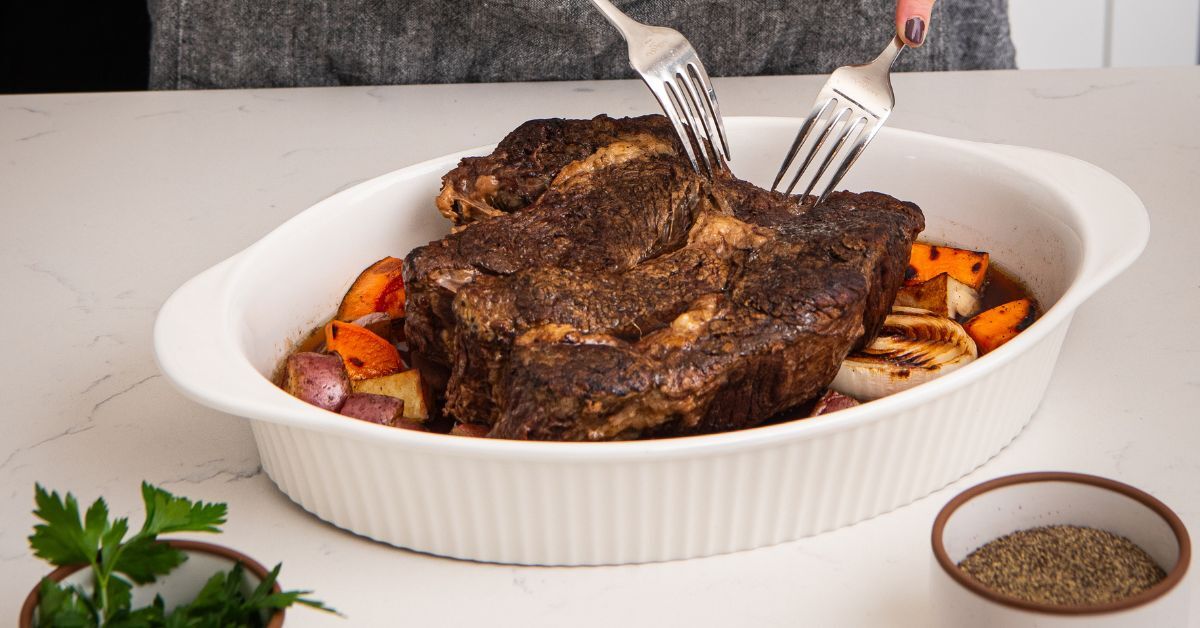
The visual impact of these cuts differs considerably and influences the dining experience. Prime rib stands tall on the table, its rib bones forming a crown-like display that captures every eye.
The bones give the roast height and structure, making it ideal for occasions where presentation matters as much as taste. Carving Prime Rib requires skill and the right tools, as you'll slice between or along the bones to create individual portions.
A ribeye roast delivers a clean, refined presentation without the dramatic bone display, letting the quality of the meat speak for itself. Without bones to work around, carving becomes much easier, and you can cut uniform slices with confidence. You’ll also get more consistent portion sizes, which helps when you’re planning for a set number of guests.
Both presentations have their place depending on your event's formality and your personal style preferences. The choice ultimately depends on whether you prioritize traditional grandeur or modern simplicity in your culinary approach.
4. Flavor Profile and Texture
While both cuts originate from the same primal section, the presence or absence of bone influences the final taste and mouthfeel. Prime Rib develops a deeper, more complex flavor as the bones release their collagen and marrow during the lengthy cooking process.
The bone contact creates subtle texture variations throughout the roast, with the meat closest to the bone often displaying greater tenderness and moisture. Some enthusiasts specifically request the end cut near the bones for this enhanced eating experience.
A Ribeye Roast highlights pure beef flavor and rich marbling without any influence from the bone, allowing the quality of the Angus and its marble pattern to shine on their own. Because the roast is boneless, the texture stays consistent from end to end, so every slice delivers the same great eating experience.
In a Ribeye Roast, the fat woven through the meat drives the flavor, while in Prime Rib, the depth comes from both the marbling and the bone. Your choice may come down to whether you prefer the straightforward, beef-forward intensity of a Ribeye Roast or the added layers of flavor that bones bring to Prime Rib.
5. Serving Size and Practical Considerations
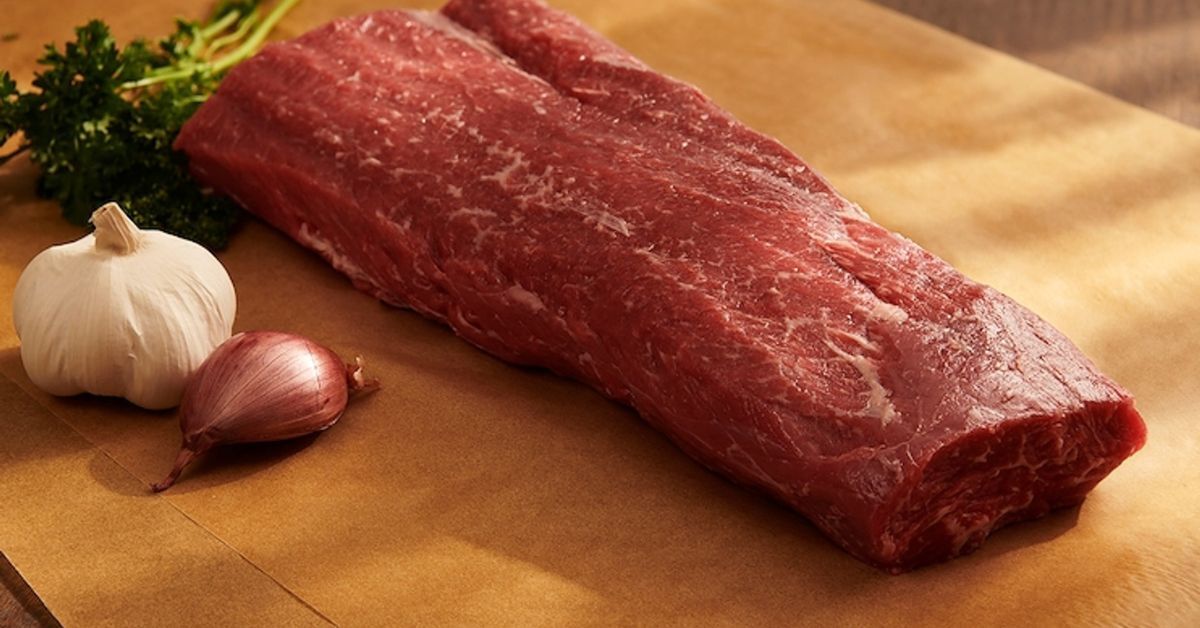
The structural differences between these cuts affect planning, purchasing, and serving logistics for your meal. Prime Rib requires more space in your refrigerator, oven, and on your carving board because the protruding bones increase the overall dimensions.
Most cooks estimate about one pound of Prime Rib per person, since the bone bumps up the total weight even though it doesn’t increase the amount of meat. Because the bones add heft without adding portions, you’ll need to purchase extra pounds to make sure everyone gets a full serving.
Ribeye Roasts deliver a more predictable yield since what you buy is almost entirely edible meat, making portion calculation straightforward and accurate. Storage becomes simpler with Ribeye Roast, as the compact shape fits more easily into standard refrigerator spaces and requires less manipulation during preparation.
Both cuts benefit from proper aging, which The Linz Shop has perfected through generations of experience with premium Angus beef. Consider your available kitchen space, guest count, and comfort level with bone-in carving when making your selection.
Make Your Selection With Confidence
Choosing between these two exceptional cuts comes down to your cooking style, presentation preferences, and the specific occasion you're celebrating. The top five differences between Ribeye Roast and Prime Rib allow you to make an informed decision that aligns with your culinary goals and impresses your guests.
At The Linz Shop, our commitment to quality Angus beef ensures spectacular results regardless of which cut you select. Our online steaks deliver the same exceptional quality to both our wholesale partnerships with premier steakhouses and our direct relationships with home cooks nationwide.
When you're ready to create an unforgettable meal, trust The Linz Shop to provide the foundation for your culinary success with beef that honors both tradition and excellence.