

The debate between bone-in and boneless cuts has persisted for decades in culinary circles, but seasoned home chefs know the truth. Bone-in is the only way to cook Ribeye Steaks. This isn’t a bold statement; it’s a fundamental understanding of how proper butchery and cooking techniques elevate your dining experience.
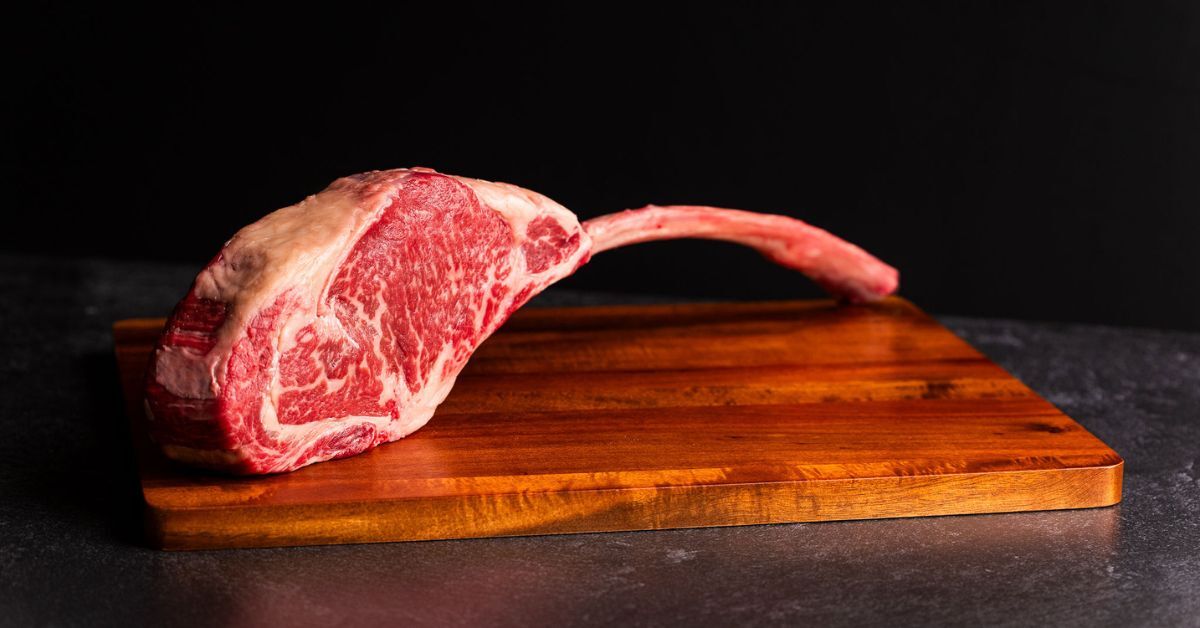
The dramatic presentation of a Ribeye commands attention at any table, but the real magic happens during the cooking process. That long, frenched rib bone does far more than create an impressive visual. It conducts heat, protects the meat, and contributes to flavor development in ways that boneless cuts cannot replicate.
At The Linz Shop, we've spent years perfecting our approach to these magnificent steaks, and we've seen firsthand how the bone transforms an excellent piece of beef into something truly extraordinary. Your kitchen deserves this level of quality, and your guests deserve this level of presentation.
The Science Behind Bone-In Superiority
The bone attached to your Ribeye serves as a natural heat regulator during cooking. Bones conduct heat differently than muscle tissue, creating a buffer zone that prevents the meat nearest to the bone from overcooking. This temperature gradient allows you to achieve a perfect medium-rare center while developing a beautifully caramelized crust on the exterior.
The marrow inside the bone begins to render as temperatures rise, releasing rich, savory compounds that enhance the beef's natural flavor profile. Research in food science confirms what experienced chefs have known for generations: bones contain collagen, proteins, and minerals that subtly influence the taste and texture of the meat adjacent to them. Additionally, the bone helps retain moisture, reducing the risk of dry edges and contributing to a juicier, more tender bite.
The Maillard reaction occurs more evenly across the surface of bone-in cuts because the bone stabilizes internal temperatures. This scientific advantage means you get more consistent results, even when working with high-heat cooking methods like reverse searing or grilling over live fire.
Flavor Development You Can Taste
Ribeye Steaks showcase the flavor and depth only a bone can bring. Each bite gains depth, richness, and complexity that boneless cuts struggle to match. As the steak cooks, fat renders through the meat, basting the interior while the bone radiates steady, even heat. This process intensifies the beef's natural umami characteristics and creates a more succulent, juicy finished product.
When you source Dry-Aged Beef, the flavor benefits multiply exponentially. The dry-aging process develops nutty and earthy notes that complement the richness of well-marbled Ribeye.
These complex flavors concentrate near the bone, where intramuscular fat meets the rib. The bone also helps anchor these flavors, enhancing the overall balance and ensuring each slice delivers a full-bodied taste from edge to center.
Your palate will detect subtle differences in taste from the outer edge to the portion closest to the bone. This variation creates an eating experience that evolves with each cut, keeping your attention focused on the quality of the beef rather than relying on external seasonings or preparations.
The Art of Presentation
Few cuts of beef command a table quite like a properly prepared Ribeye. The extended rib bone creates a natural handle and serves as a striking centerpiece, signaling to your guests that something special awaits them.
This dramatic presentation elevates any dinner party or special occasion from ordinary to memorable. The visual impact begins the moment you bring the steak to the table, building anticipation before the first cut.
That anticipation enhances the entire dining experience, priming your guests to appreciate the quality and craftsmanship that went into sourcing and preparing the meal. Beyond aesthetics, the bone provides practical advantages during carving and serving:
- The extended bone offers leverage for clean, precise slicing.
- Guests can easily identify their preferred level of doneness by the meat's position relative to the bone.
- The bone serves as a natural portion guide when serving multiple people.
- Leaving the bone intact during cooking preserves the steak's structural integrity.
Your investment in premium beef deserves a presentation that matches its quality, and the Ribeye delivers on every level.
Cooking Strategies for Ribeye Success
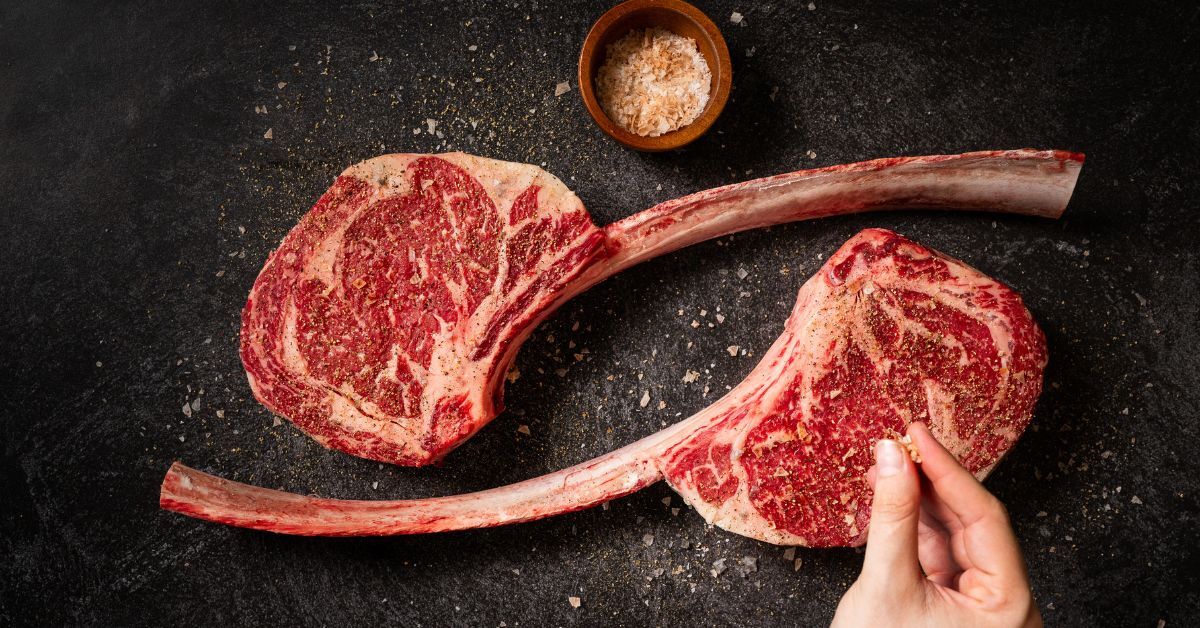
The bone attached to your Ribeye influences every aspect of your cooking strategy. You need to account for additional mass when calculating cooking times, since the bone prevents heat from penetrating deeper into the cut.
Reverse searing works exceptionally well with bone-in steaks because the low initial temperature allows the bone to warm gradually, distributing heat throughout the meat. Start your Ribeye in a 250°F oven until the internal temperature reaches about 115°F, then finish with a hard sear in a screaming-hot cast-iron skillet or over a direct flame.
The bone protects the meat during this high-heat finale, preventing the exterior from burning while you develop that essential crust. Alternatively, you can cook your steak entirely over live fire, positioning the bone away from the hottest part of your grill to prevent charring. Rest the finished steak for at least ten minutes before serving, allowing the juices to redistribute while the bone continues to radiate residual heat throughout the meat.
Sourcing Makes the Difference
The quality of your Ribeye Steak begins long before it reaches your kitchen. At The Linz Shop, we’ve built our reputation on understanding that superior beef comes from careful selection, proper aging, and expert butchery. Our bone-in cuts maintain the integrity that made us a trusted neighborhood butcher while meeting the standards that today's discerning home chefs demand.
We provide cooks and restaurants with access to beef that honors traditional methods and delivers consistent excellence. You can choose between traditional Ribeyes or Tomahawk Ribeyes that possess exceptional marbling and aging qualities.
Our Ribeye Steaks demonstrate why bone-in is the only way. Each cut delivers a depth of flavor and richness that can only come from the bone, creating a dining experience that is as impressive as it is satisfying. Every perfectly cooked, beautifully presented bite reflects a commitment to quality that boneless cuts simply cannot match.