
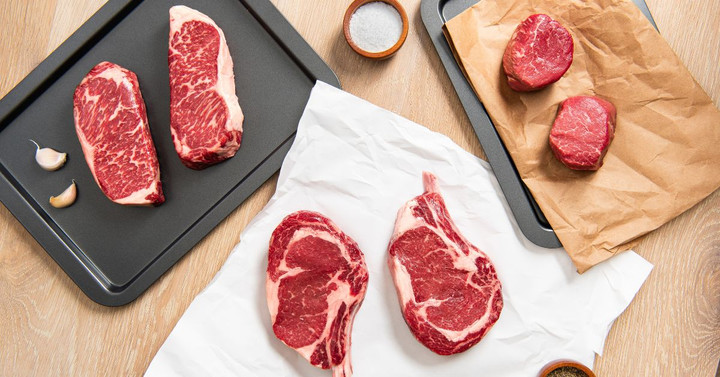
If you've ever wondered why some steaks melt in your mouth while others fall flat, you're not alone. As a home chef, you know that great cooking starts with great ingredients, and few things elevate a meal like a truly exceptional cut of beef. You've already mastered your favorite recipes and invested in reliable cookware, but choosing the right beef is where you can really take your meals to the next level.
The journey from pasture to plate is full of decisions that shape flavor and tenderness: genetics, feed, aging, and marbling all play starring roles. The art of selecting premium beef is the first step toward creating unforgettable meals that impress your guests and satisfy your culinary ambitions.
Understanding USDA Grading Systems
Let’s break down the USDA beef rankings so you know exactly what to look for:
- Prime: The highest grade, with abundant marbling that delivers rich flavor and a melt-in-your-mouth texture. Prime is what you’ll find in top steakhouses and specialty butchers.
- Choice: The next step down, Choice has moderate marbling. It’s still juicy and flavorful, and it’s what you’ll most often see in grocery stores.
- Select: The most widely available and budget-friendly, Select has the least marbling, so it’s more lean but not as tender or flavorful.
And here’s the secret behind those rankings: marbling. Those little white flecks of fat running through the beef are what separates a good steak from a great one. As the beef cooks, the marbling melts and bastes the meat from within, infusing every bite with flavor and that signature buttery texture.
If you want that restaurant-quality experience at home, go with USDA Prime. The Linz Shop makes it easy, with Prime cuts that are already trusted by home cooks and chefs nationwide. Think of it as the gold standard for anyone who doesn’t want to compromise.
The Angus Advantage
Angus cattle produce beef known for consistent marbling and flavor, thanks to genetic traits that result in well-distributed fat and fine muscle texture. Black Angus has explicitly become synonymous with quality in American beef production, though not all Angus beef delivers the same experience.
Where your beef comes from is just as important as the breed itself. Cattle raised on quality feed programs and handled with care produce superior meat, and this attention to detail from pasture to plate separates premium operations from standard producers.
Dry Aging vs. Wet Aging
Aging develops flavor and tenderness through natural enzymatic processes that break down muscle fibers over time. Dry aging exposes beef to controlled temperature and humidity for weeks or months, which concentrates flavor and creates nutty, earthy, woody notes that appeal to experienced palates.
A 28-day dry-aged Ribeye offers complexity you won't find in standard beef, and some cuts benefit from extended aging of 45 to 60 days for even more pronounced character. The process also tenderizes the meat naturally as enzymes work their magic on the muscle structure.
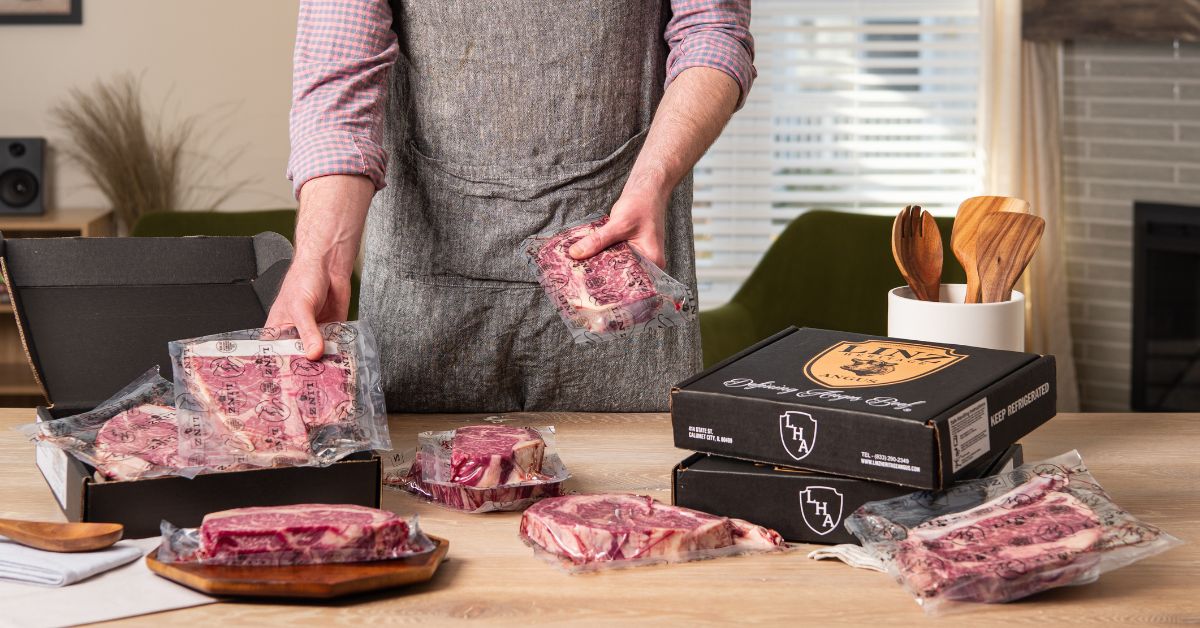
Wet aging occurs in vacuum-sealed bags and produces milder results while retaining moisture. The beef still develops tenderness, just without the concentrated flavors of dry aging. Both methods have merit, but dry-aged beef commands premium prices for the depth and complexity it delivers.
Selecting the Right Cut for Your Method
Different cuts suit different cooking methods, so your choice should align with your planned technique and desired outcome. Thicker cuts of 1.5 to 2 inches give you better control over internal temperature, while thin steaks cook quickly and risk overcooking before you can develop a proper crust.
The most popular premium cuts include:
- Ribeyes & Tomahawks: Rich marbling makes them ideal for grilling or pan-searing at high heat.
- Strip Steak: Balanced fat content works well for any high-heat method.
- Tenderloin: Lean and tender, perfect for quick searing or roasting.
- Porterhouse: Combines strip and tenderloin for variety in a single cut.
Investing in premium beef is only part of the equation; thickness also matters. Choosing steaks that are at least 1.5 to 2 inches thick gives you the best shot at achieving that coveted medium-rare center, while allowing for a beautifully caramelized crust on the outside. That combination of juicy interior and flavorful exterior is what makes a steakhouse-quality meal truly memorable.
Evaluating Marbling and Color
Fresh beef displays a bright cherry-red color, indicating proper handling and freshness. The fat should appear cream-colored or slightly white.
Take time to examine marbling distribution throughout the cut, looking for fine, evenly dispersed fat. Consistent marbling ensures uniform flavor and texture in every bite, with fat that looks slightly glossy and well-integrated into the muscle.
Touch also matters when evaluating quality. Premium beef feels firm but not tough, with a surface that's slightly moist but never sticky or slimy. Trust your senses and don't hesitate to ask questions about the beef's origin and handling.
Storage and Handling Best Practices
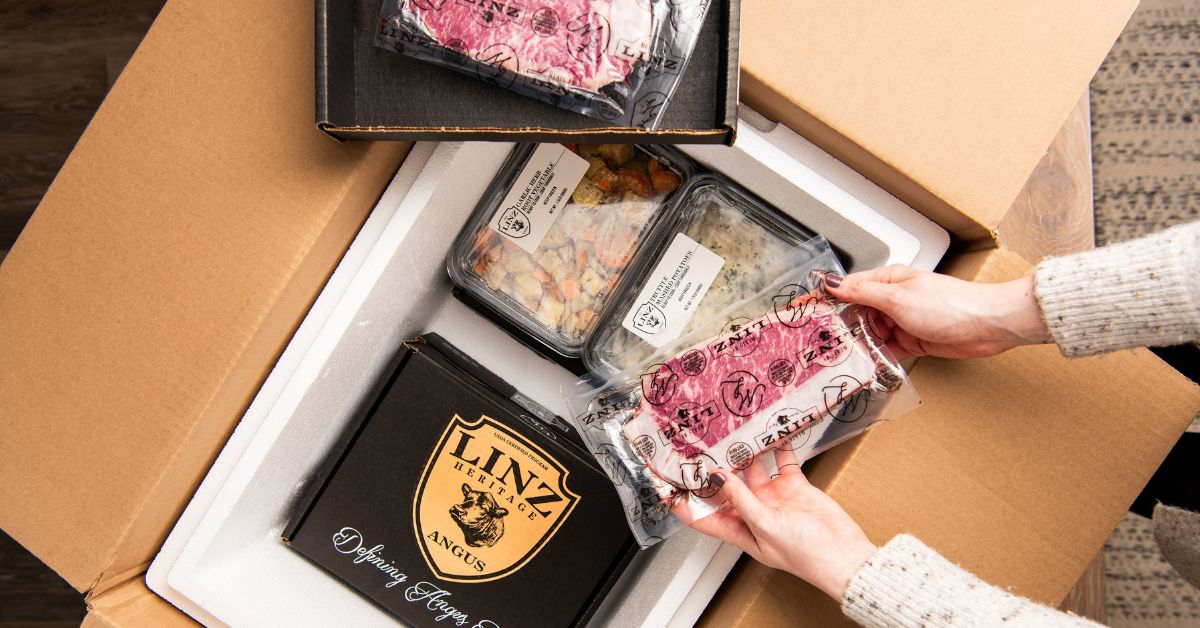
Good storage habits are the key to preserving your beef’s quality. Always keep beef in its original packaging and place it in the coldest spot in your refrigerator. For the best flavor and texture, use fresh cuts within 3 to 5 days of bringing them home.
For longer storage, freeze beef in airtight packaging or vacuum-sealed bags, removing as much air as possible to prevent freezer burn. If you package it well, premium beef stays just as delicious for 6 to 12 months in the freezer. That means you can stock up when you find a great cut and always have quality meat ready for your next special meal.
Thaw frozen steaks in the refrigerator for 24 to 48 hours rather than at room temperature, as room temperature can encourage bacterial growth. Before cooking, pat steaks dry to achieve proper browning, since excess moisture creates steam and prevents the Maillard reaction that produces a flavorful crust.
Cooking Temperature and Resting
Bring steaks to room temperature 30 to 45 minutes before cooking so they cook evenly throughout. Cold meat straight from the refrigerator requires longer cooking times and can leave you with a gray band of overcooked meat around a cool center.
Season generously with salt at least 40 minutes before cooking, or immediately before hitting the heat. This timing allows the salt to either penetrate deeply or stay on the surface for crust development. Use high-quality oils with high smoke points, like avocado oil or light olive oil, for searing, adding butter near the end of cooking for additional flavor.
A reliable instant-read thermometer removes guesswork and helps you nail your target temperature every time. Medium-rare registers at 130-135°F, but remember that steaks continue cooking during rest, so pull them a few degrees before your target temperature.
Rest finished steaks for 5 to 10 minutes before cutting to allow the juices to redistribute throughout the meat. Cutting too soon releases those flavorful juices onto your cutting board rather than keeping them where they belong: inside the beef.
Sourcing Quality Beef
Building relationships with trusted suppliers ensures consistent quality and gives you access to their expertise. Look for purveyors who can trace their beef from ranch to table, since transparency in sourcing indicates a commitment to quality that is often hard to find.
The art of selecting premium beef for home chefs comes down to knowledge, standards, and a steady hand. When you understand grading, aging, and proper handling, you can consistently deliver steakhouse-quality results in your own kitchen. At The Linz Shop, our online steak delivery service brings restaurant-grade beef directly to discerning home chefs who refuse to compromise on quality.