
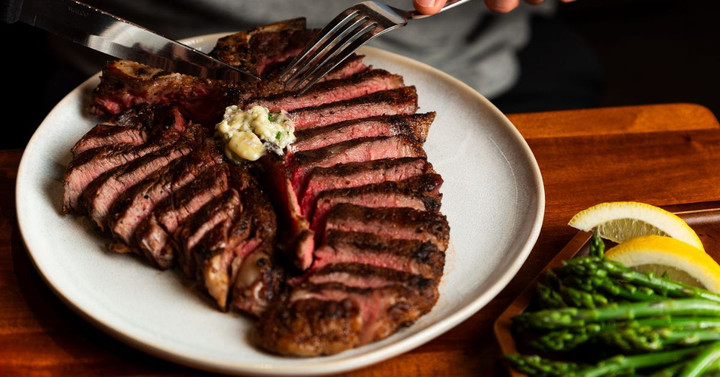
The history and evolution of Porterhouse Steaks reflect a cut that has earned lasting respect in American dining. Known for its impressive size and dual texture, the Porterhouse delivers both tenderness and structure in a single steak. It combines the rich flavor of the strip with the delicate bite of the tenderloin. This balance makes it a favorite among cooks who value precision and quality.
The Porterhouse stands apart because it offers two premium experiences in one cut. Few steaks match its ability to deliver both bold flavor and refined tenderness. Its size immediately stands out on the plate, and many cooks see it as a staple of steakhouse tradition.
The Anatomy of a Porterhouse Steak
The Porterhouse comes from the short loin, a section known for producing highly sought-after steaks. This area sits behind the rib and before the sirloin. Muscles in this section do very little work, which helps create a naturally tender texture. That tenderness defines the overall eating experience
Butchers cut the Porterhouse to include both the strip and a larger portion of the tenderloin. The bone that runs through the center separates the two muscles. This structure gives the steak its signature shape. It also allows each side to cook slightly differently.
The difference between a Porterhouse and a T-bone comes down to the size of the tenderloin. A Porterhouse must include a larger section of tenderloin to meet industry standards. This requirement ensures a more substantial and balanced cut. Experienced buyers often look for this distinction when selecting steaks.
Early Origins of the Porterhouse Name
The Porterhouse name dates to 19th-century American dining culture. Many historians connect it to porter ale houses, where hearty steaks paired well with dark beer. These establishments served large portions to satisfy hungry guests. The name likely grew from this connection.
Some accounts point to New York as the birthplace of the Porterhouse name. Restaurants in the city helped popularize the cut during a time of growing steakhouse culture. Diners began to associate the name with quality and generous portions. Over time, it became a staple in American dining.
The exact origin remains debated, but the identity of the Porterhouse never lost clarity. It has always stood for abundance and craftsmanship. That reputation continues to shape how people view the cut today.
How Butchery Standards Shaped the Porterhouse
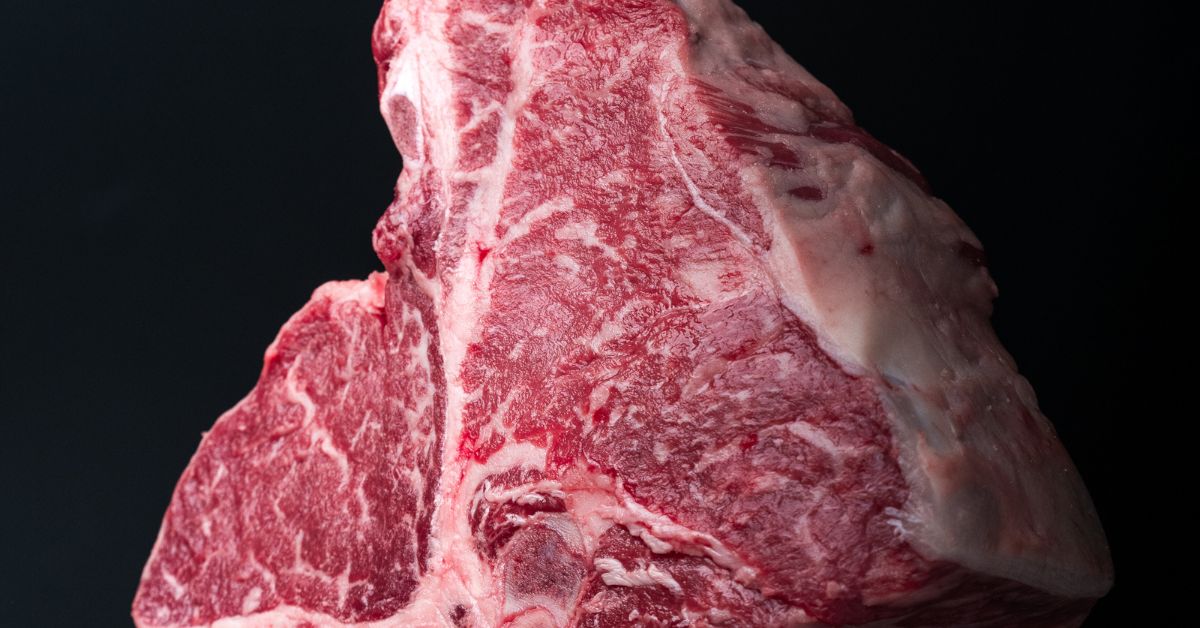
Today’s butchery standards set clear requirements for a Porterhouse. The tenderloin portion must measure at least 1.25 inches wide to qualify for the name. This standard separates it from similar cuts and protects the steak’s integrity.
Butchers follow strict guidelines when portioning the short loin. They select cuts from the rear end, where the tenderloin meets the size requirements. A well-cut Porterhouse delivers a balanced ratio of strip and tenderloin. That balance plays a key role in the final result.
Consistency matters to experienced cooks who expect reliable performance. When a cut meets the proper standards, it cooks more predictably and responds well to technique. That control allows you to focus on execution. Precision at the butcher level shows up in every bite.
Why the Porterhouse Became a Steakhouse Icon
The Porterhouse earned its place as a steakhouse icon due to its flavor and presentation. Its size creates an immediate impression when it reaches the table. The bone adds structure and enhances the eating experience, feeling substantial without being overwhelming.
Each side of the steak offers a different texture. The strip delivers a firmer bite with a deep beef flavor. The tenderloin offers a softer, more delicate texture. Together, they create contrast that keeps each bite interesting.
The Porterhouse has long held a strong presence on steakhouse menus. It’s perfect for sharing, but just as satisfying for one person. This versatility has helped it remain relevant across generations. Its primary features include:
- Combining tenderloin and strip steak
- Offering contrasting textures in one cut
- Creating a strong visual presentation
- Delivering a balanced flavor experience
The Porterhouse in Modern Home Kitchens
Today’s home cooks use a higher level of technique. High-performance equipment and better sourcing have changed what is possible. The Porterhouse fits naturally into this environment, rewarding attention to detail and precise execution.
Cooking a Porterhouse requires an awareness of its structure. Each side of the steak responds differently to heat. Managing that difference leads to a more even result. Skilled cooks adjust their approach to match the cut.
Managing heat starts with understanding how each side cooks. The strip can handle higher heat, while the tenderloin benefits from a gentler approach. Many cooks use a two-zone setup to control the process. This method helps both sides reach the right temperature without overcooking.
This level of engagement appeals to experienced home chefs. The process feels intentional and controlled, with the result reflecting both the steak’s quality and the cook's skill. That combination comes through in every bite.
What to Look for When Buying a Porterhouse
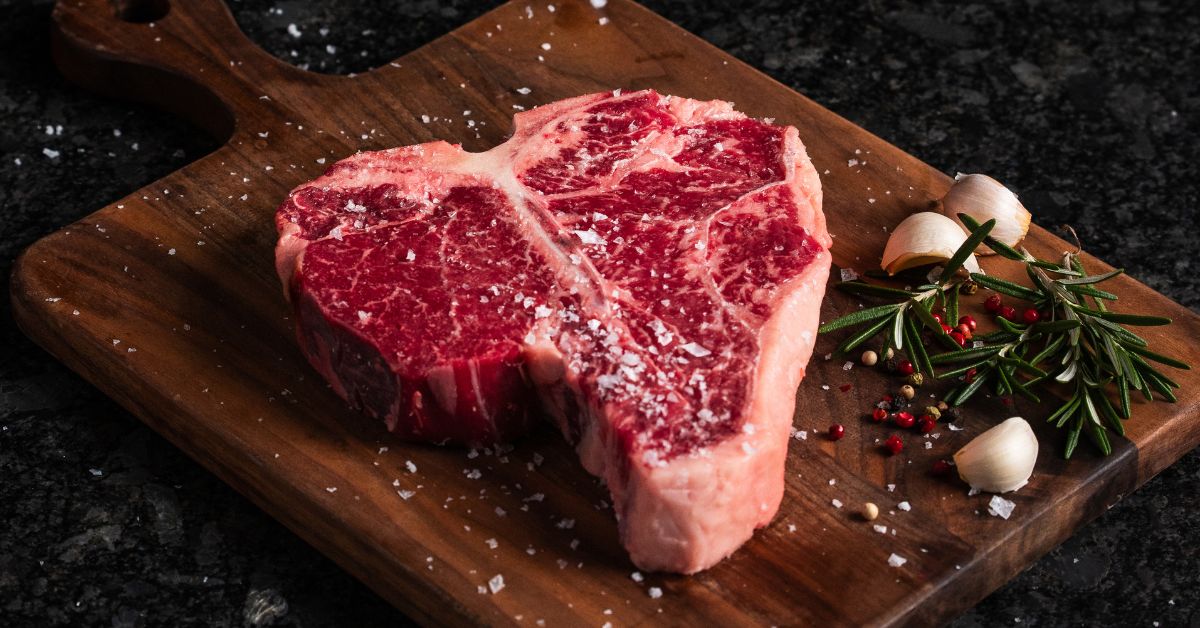
For those looking to buy Porterhouse Steak online, visual cues like marbling and thickness become even more important. Look for even marbling across both the strip and tenderloin. Marbling supports flavor and helps the steak cook evenly. A consistent pattern signals a quality steak.
When buying online, use photographs as your primary reference. Look for clear images that show both sides of the steak and the bone structure. A well-cut Porterhouse will show a defined tenderloin and a balanced strip. Clean trimming and a bright, fresh color also indicate careful handling.
Thickness also plays an important role. A thicker cut allows for better control during cooking. It gives you time to develop a proper sear while maintaining the desired internal temperature. Thin cuts limit that control.
Pay attention to how the supplier describes the product. Reliable providers include details on sourcing, grading, and aging. This information gives you a clear sense of what to expect before it arrives.
Consistent specs point to a well-managed program. The Linz Shop delivers that consistency through a fully integrated approach. From genetics to processing, each step stays consistent, so the quality holds from one cut to the next.
Carrying the Legacy Forward
The history and evolution of Porterhouse Steaks continue as today’s cooks refine their craft. From early ale houses to modern kitchens, the focus has remained on quality and experience. Each generation builds on that tradition, keeping the Porterhouse relevant and respected.
When you buy Porterhouse steak online, you gain access to carefully sourced cuts that meet high standards. That access removes any guesswork and supports better results. With the right steak from The Linz Shop, your technique can take center stage. Each meal is an opportunity to carry that tradition forward in your own kitchen.