

A flawless New York Strip should deliver contrast in every bite, featuring a crisp, deeply browned exterior and a tender, evenly cooked center. If you invest in premium beef, you should expect that steakhouse texture at home.
These tips for achieving a perfect crust on a New York Strip focus on technique, heat control, and precision. When you understand how to manage the steak's surface, you build flavor without masking the integrity of the cut. Cooking a well-crusted steak begins with attention to detail, from the moment you select your cut to the final slice on your plate.
Choose the Right Pan and Preheat With Intention
A good crust starts with the pan. Cast iron remains the gold standard because it holds heat steadily and distributes it evenly across the surface. Stainless steel also performs well, provided you allow enough time for proper preheating. Allowing the pan plenty of time to preheat ensures the steak’s surface sears instantly, locking in juices and developing a robust crust.
Set your pan over medium-high heat and let it warm for several minutes without interruption. Rushing this step weakens your sear before it begins. When the surface radiates consistent heat and a drop of water evaporates immediately, you’re ready to cook.
Add a thin layer of avocado oil or light olive oil just before placing the steak in the pan. Both oils handle high heat without compromising flavor. That immediate, aggressive sizzle confirms you’re building a crust instead of steaming the meat.
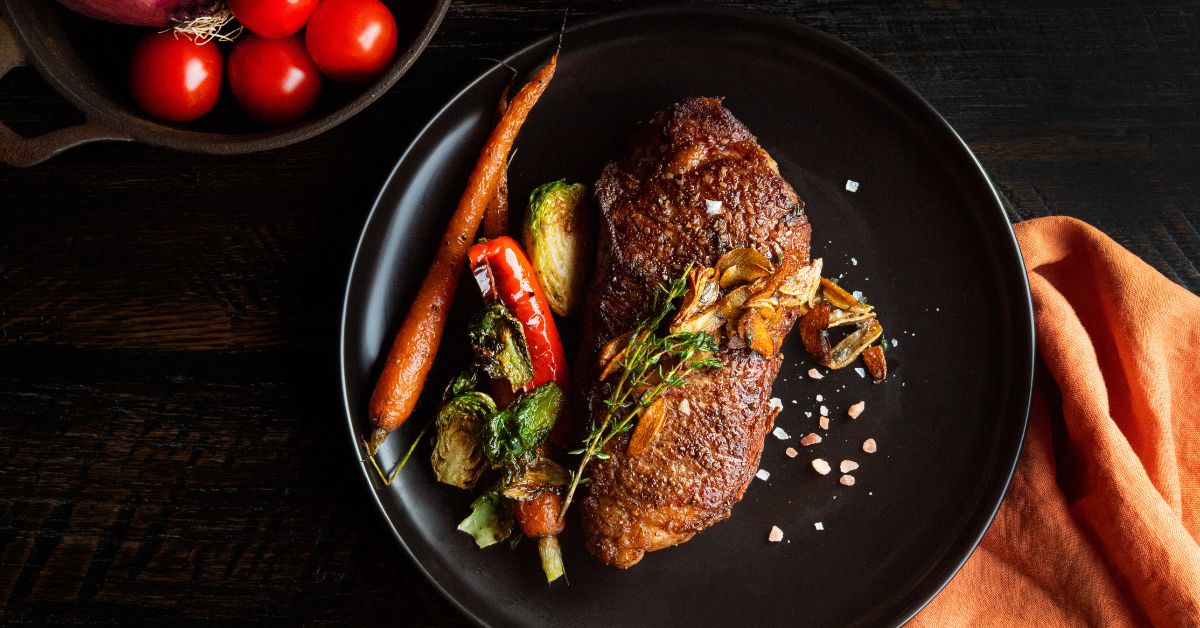
Temper and Dry the Steak Completely
Cold beef resists proper browning. Remove your New York Strip from the refrigerator 30 to 45 minutes before cooking to allow the interior to warm slightly. Letting the steak warm up helps it cook evenly and develop a richer, more flavorful crust.
A steak that starts at room temperature will brown more reliably and deliver a juicier, more appetizing final bite. This simple preparation step is often overlooked, but it makes a noticeable difference in both taste and texture.
Moisture remains the enemy of a good crust. Pat the steak dry on all sides with paper towels. Even minor surface moisture will create steam and delay browning.
Season generously with kosher salt and freshly cracked black pepper just before the steak hits the pan. Salt enhances the natural beef flavor and helps develop a rich exterior.
When you start with expertly sourced Angus beef from The Linz Shop, restraint matters. Proper seasoning and confident technique allow the craftsmanship behind the cut to stand on its own.
Commit to Surface Contact and Patience
Once the steak hits the pan, leave it alone as it develops the initial crust. Constant movement interrupts the Maillard reaction, the chemical process responsible for deep browning and savory complexity. Set the steak down carefully and let uninterrupted contact do the work.
Watch the edges of the steak as it cooks. Browning will gradually climb the sides, signaling proper crust development. When the surface caramelizes fully, the steak will release naturally from the pan without resistance.
Avoid overcrowding the pan. Cook one or two steaks at a time, depending on the size of your pan, to maintain consistent heat. Overcrowding can lower the surface temperature and encourage steaming. When the steak meets a hot, dry pan, it forms that signature crust and mouthwatering texture found in top-quality steakhouses.
Patience during this stage allows the steak to develop maximum flavor, with every minute in contact with the pan deepening the savory crust. Paying close attention to these details will help you turn a simple meal into a memorable culinary experience, worthy of any steakhouse menu.
Flip Strategically for Even Browning
While flipping once is the classic approach, turning the steak multiple times can yield superior browning and juicier results. After the initial crust forms, turn the steak every 30 to 45 seconds. This method reinforces browning while preventing excessive heat buildup on one side.
Use sturdy tongs and avoid piercing the meat. Each flip redistributes heat and reduces the gray band beneath the crust. You’ll maintain control over the doneness while strengthening your steak’s exterior texture.
Take a moment to sear the fat cap as well. Hold the steak upright with tongs and press the edge against the pan for 20 to 30 seconds. Rendering that fat adds flavor and texture while contributing to an even finish across the entire cut.
Consistent flipping and careful searing also help the steak cook more evenly from edge to edge, reducing the risk of overdone spots. These hands-on methods empower you to achieve steakhouse results in your own kitchen, regardless of your experience.
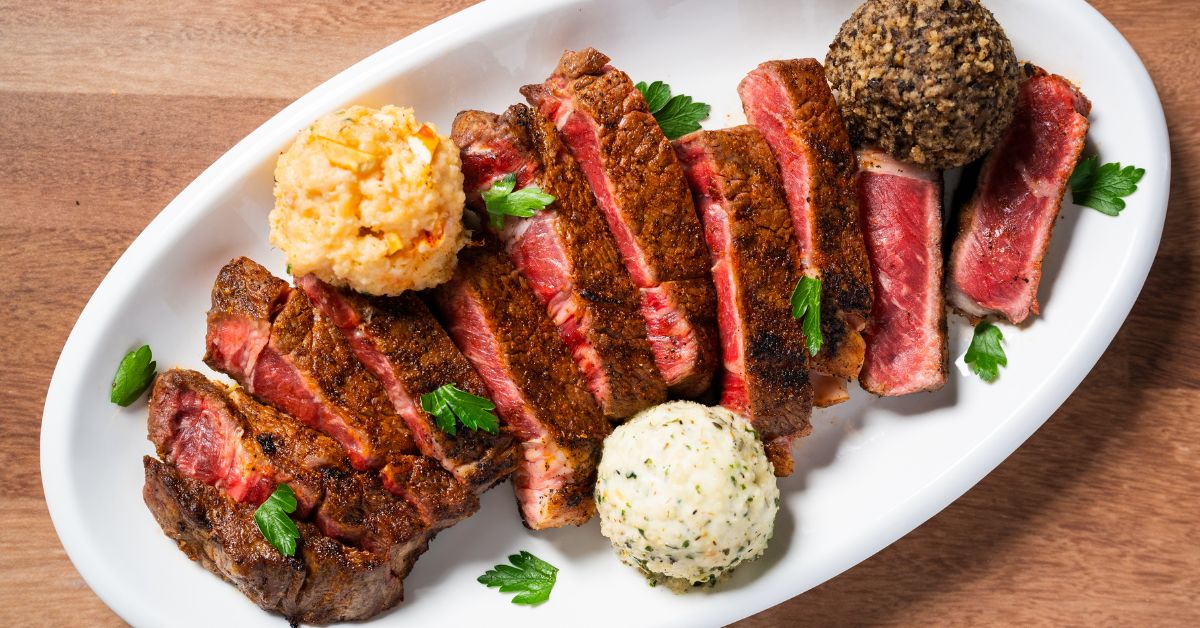
Manage Thickness, Heat, and Internal Temperature
Thickness determines how effectively you can build a crust before the interior overcooks. A thicker strip, like a 14 oz New York Strip, gives you more control and a greater margin for precision. Thin steaks cook through too quickly, limiting your ability to develop a substantial exterior.
Keep your heat steady at medium-high throughout the sear. Adjust the temperature only if the surface darkens too quickly. Use an instant-read thermometer to monitor the internal temperature, and remove the steak about 5 degrees before your target doneness.
Focus on these crust-building fundamentals:
- Select a thick-cut New York Strip.
- Preheat your pan thoroughly before adding oil.
- Dry the surface completely before seasoning.
- Maintain a consistent medium-high heat.
- Flip intentionally to reinforce browning.
Each step supports texture, flavor, and consistency. Paying attention to these details helps you maximize your steak's potential at every stage. Even small adjustments in technique can lead to noticeable improvements, ensuring your finished dish stands out every time.
Rest Properly and Slice With Care
Resting preserves both the juices and the crust. Transfer the steak to a cutting board and let it rest for 5 to 8 minutes. During this time, the internal juices will redistribute evenly throughout the meat.
Avoid covering the steak tightly, as trapped steam can soften the crust you worked to build. Let it rest uncovered in a warm area of your kitchen. When you slice, cut against the grain using a sharp knife for maximum tenderness.
When you apply these tips for achieving a perfect crust on a New York Strip, you elevate an already exceptional cut. Whether you prepare a steak for guests or savor a perfectly cooked 14 oz New York Strip at home, you’ll achieve the bold flavor and balanced doneness that define a true steakhouse experience.