

The T-shaped bone in a cut of steak is a defining characteristic you’re probably familiar with. This feature defines two of the most iconic steakhouse cuts in existence: the T-Bone and the Porterhouse. These cuts share a striking resemblance and lead many to believe they’re the same. However, there are notable differences between a T-Bone and a Porterhouse. Learn what sets each of these cuts of meat apart with The Linz Shop so you can choose the perfect cut for your dinner.
Anatomy of the Cuts
The T-Bone and Porterhouse come from the short loin, a highly prized section of the cow located between the rib and the sirloin. This area yields some of the most tender and sought-after cuts because of their mild texture and luxurious flavor profiles.
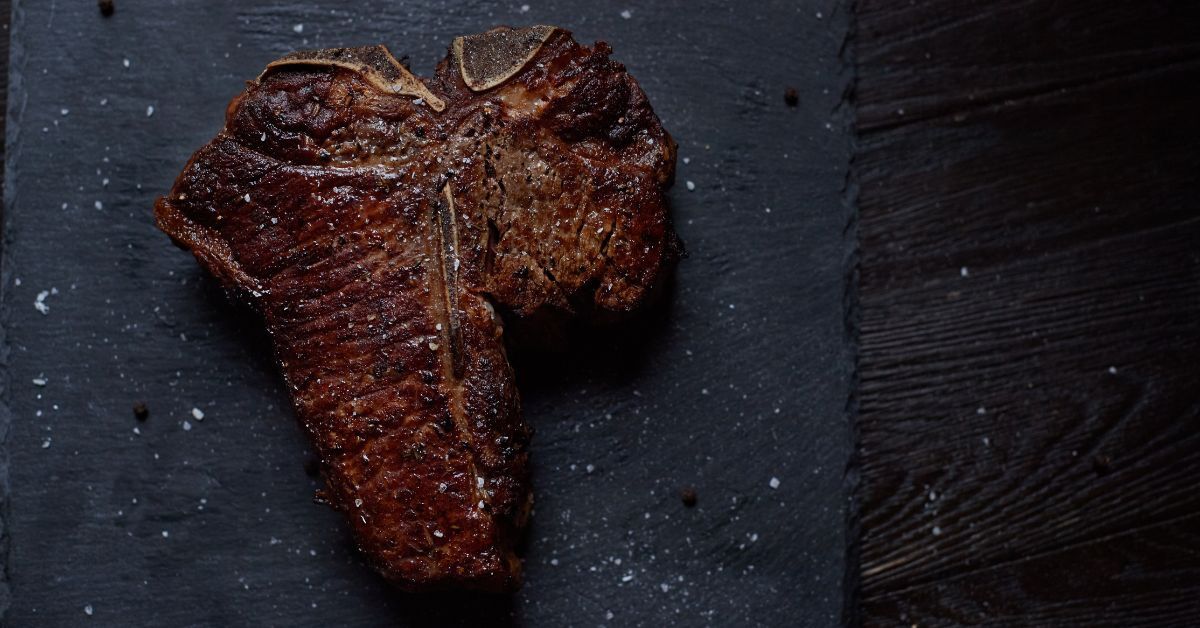
What sets these cuts apart is the T-shaped bone at their center that divides the steak into two sections. On one side of the bone lies the strip loin with a rich, beefy flavor and hearty chew. On the other side rests the tenderloin, known for its delicate, buttery tenderness.
A Porterhouse must have at least 1.25 inches of tenderloin at its widest point. Anything smaller is classified as a T-Bone. This size difference makes the T-Bone ideal for everyday meals, while the Porterhouse shines when you’re looking to impress.
Flavor & Texture
Both the T-Bone and Porterhouse deliver an extraordinary combination of texture and taste, which is why they’re some of the most prized steaks in any butcher’s case. The strip loin’s beef-forward profile holds up well under high heat. Plus, this energized flavor is the essence of what many people think of as a steakhouse staple.
The tenderloin, on the other hand, is a marvel of texture. It’s soft, velvety, and luxurious, though much milder in flavor compared to the strip. Together, these two sides create the perfect balance of boldness and finesse in one cut.
The T-Bone’s smaller size cooks slightly faster, offering a more straightforward grilling or pan-searing experience. The Porterhouse, however, demands extra care to cook evenly due to its thickness and larger tenderloin. Use the reverse-sear method with the Porterhouse for even results.
No matter which you choose, both cuts reward you with a crisp, caramelized crust and a juicy, flavorful interior that’s seared to perfection.
Portion Size & Serving
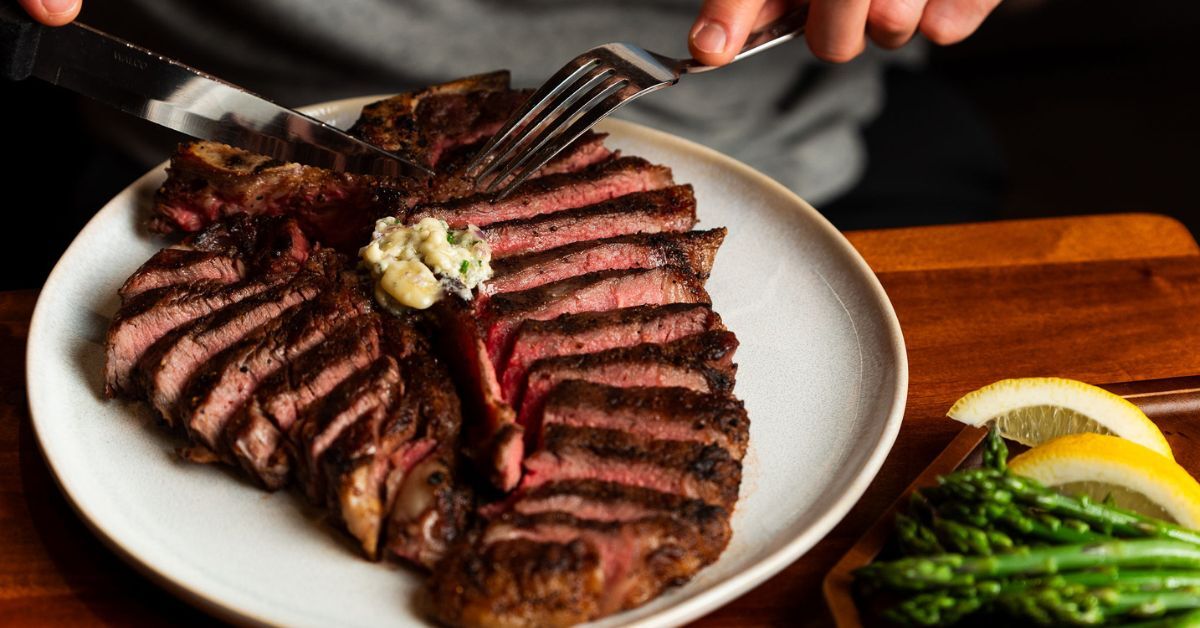
Proportion and presentation matter when it comes to steak sizing. The T-Bone is the quintessential single-serving cut, weighing around 16–20 ounces. It’s perfect for someone who wants steak night to feel indulgent without the need to share. The marbled strip and tenderloin provide plenty of variety in just one cut.
The Porterhouse takes things to another level. These steaks tip the scales at 24 ounces or more, making them ideal for sharing. Eating Porterhouse steaks becomes an experience at mealtime. Slice the Porterhouse across the grain and set it at the center of your table so everyone can enjoy a portion of both the strip and tenderloin.
Each cut lends itself to different plating styles and pairings. A T-Bone looks impressive on any plate, while the Porterhouse earns the nickname “king of steaks” for its immense presence. If you’re after bragging rights, nothing beats serving a perfect Porterhouse to a table full of steak lovers.
Sourcing & Quality
When you want a quality steakhouse that’s packed full of flavor, it’s all about where you source the beef. The best T-Bones and Porterhouses start with USDA Prime, the grade that guarantees abundant marbling, rich flavor, and unmatched tenderness. Anything less won’t deliver the same depth of character.
Aging is another marker of quality. Dry-aged cuts concentrate flavor into a complex profile that steak lovers recognize instantly. Wet-aged cuts retain maximum juiciness while highlighting a clean, beef-forward taste. Both approaches, when executed well, elevate the eating experience far beyond standard supermarket beef. Bone thickness plays a key role in achieving the perfect cook. A thick bone acts as a heat buffer, allowing the steak to cook evenly and retain its natural juices.
When searching for Porterhouse steaks for sale, look for reputable suppliers that detail grading, aging methods, and precise butchery, like The Linz Shop. Quality purveyors focus on consistency and quality to ensure a steak that lives up to its premium reputation.
Cooking Techniques & Gear
Both the T-Bone and Porterhouse cook well under intense, direct heat. Whether it’s your backyard grill, the broiler, or a cast-iron skillet, the goal is the same: a deep, flavorful sear that locks in juices and creates that signature steakhouse crust.
Because of its slim profile, the T-Bone (around an inch thick) responds beautifully to straightforward methods like a blazing-hot grill or cast-iron. A quick sear on each side followed by a short rest delivers a perfectly balanced steak with minimal fuss.
The Porterhouse, however, demands a little more strategy. You should take a reverse-sear approach due to the meat’s thickness and dual cuts. Start with indirect heat so that the temperature rises gradually. Once it’s close to your desired doneness, finish with a searing blast of high heat to create that crust without overcooking the tenderloin.
No matter which cut you’re working with, always let your steak rest for five minutes before slicing. This ensures every bite delivers on both tenderness and flavor.
Which One Should You Choose?
T-Bone steaks deliver balance in bold strip flavor with just enough tenderloin to keep things luxurious. Porterhouse steaks are perfect for sharing and just as delicious. Ultimately, there’s no wrong answer. Both cuts come from the premium part of the cow and deliver steakhouse-level quality right in your kitchen. The choice hinges on your occasion, choice of cooking method, and appetite.
Now that you know the difference between a T-Bone and Porterhouse steaks, it’s time to plan your next steak night! Whether you’re after the bold satisfaction of a T-Bone or the indulgent scale of a Porterhouse, the key is starting with premium beef.
That’s where The Linz Shop’s expertise comes in—our hand-selected cuts are aged for optimal flavor and delivered straight to your door. Skip the guesswork at the butcher counter! With a trusted purveyor dedicated to quality, you can focus on what matters most: savoring every bite.