

You've probably noticed dry-aged beef on upscale steakhouse menus, accompanied by price tags that will make you do a double-take. However, here's the thing: once you understand what goes into creating these exceptional cuts, the premium price suddenly becomes clear.
Dry aging transforms ordinary beef into something remarkable; a process that concentrates flavors, tenderizes meat, and creates that distinctive taste you can't get any other way. If you're serious about your home cooking and want to serve steaks that rival what high-end restaurants offer, you'll appreciate these four important things to know about dry-aged beef.
1. The Dry Aging Process Changes Everything About the Meat
Dry aging isn't some trendy marketing gimmick. It's a deliberate process where large cuts of beef hang in precisely controlled environments for weeks or even months. During this time, three major things happen that completely transform the meat.
First, moisture evaporates. You lose about 15-30% of the beef's original weight as water slowly leaves the muscle tissue. This loss of water concentrates all the flavors that were already there. Think of it like reducing a sauce; the volume decreases, but the taste intensifies. Your steak becomes richer, more complex, and beefier.
Second, natural enzymes in the meat break down muscle fibers and connective tissue. This process is where the magic happens for texture. Those enzymes work like tiny scissors, cutting through the proteins that make meat tough. The result? You get incredibly tender steaks that practically melt when cooked properly. Even tougher cuts become remarkably soft.
Third, and this is what really sets dry-aged beef apart, the meat develops new flavors through enzymatic and biochemical reactions. You'll taste nutty notes, with a hint of almost buttery richness, and sometimes even subtle hints of blue cheese or earthy mushroom flavors. These complex taste profiles don't exist in fresh beef. They only emerge through patient aging.
The environment also matters. The temperature stays between 34°F and 38°F, humidity hovers around 85%, and air circulates constantly. Get any of these factors wrong, and you get spoiled meat instead of dry-aged beef.
2. Not All Cuts Work Well for Dry Aging
You can't just throw any piece of beef into an aging room and expect great results. The cuts that benefit most from dry aging share specific characteristics that make them ideal candidates for the process.
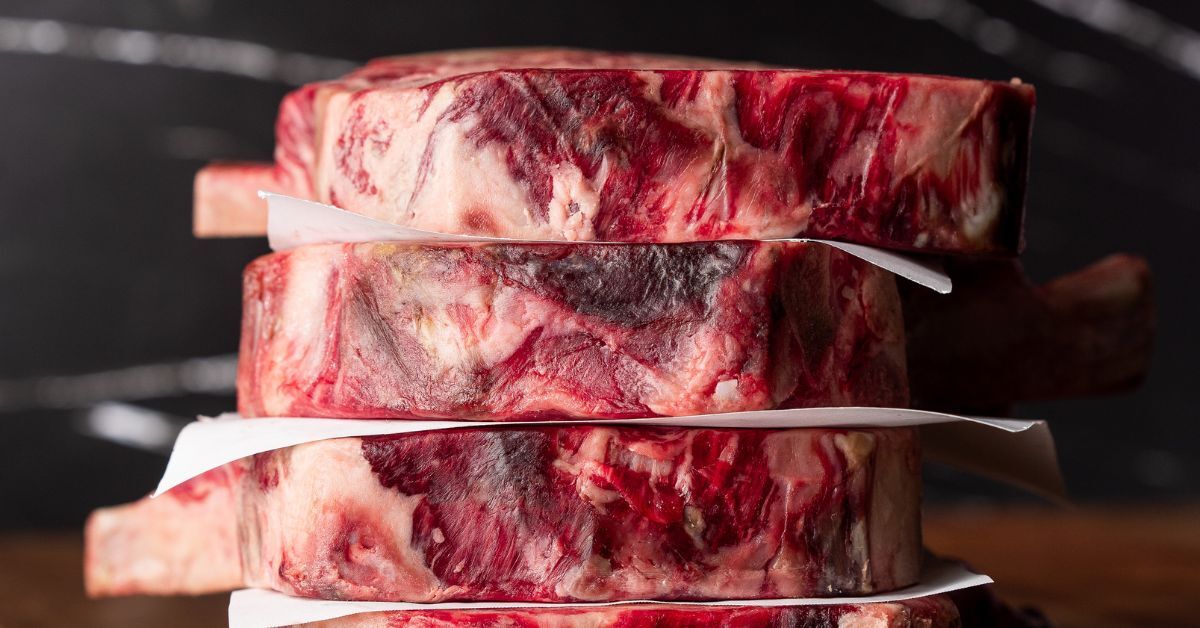
Prime-aged beef and high-quality choice grades work best because they have substantial marbling, those white streaks of intramuscular fat running through the meat. Fat protects the meat during aging and contributes to its flavor. Leaner cuts dry out too much and lose too much weight to garner a high price tag. You need that fat content to keep things balanced.
Large subprimal cuts are what professionals age, not individual steaks. Think whole ribeye sections, strip loins, or short loins. The outer surface of aged beef develops a dark, dried crust, basically a protective bark that you trim away before cutting steaks. If you started with a single steak, you'd trim away most of it. But with a large roast, you remove the exterior and still have plenty of beautiful meat inside.
Here's what works:
- Ribeye/Prime Rib: The gold standard for dry aging, with generous marbling and rich flavor that becomes even more pronounced
- Strip Loin: Develops complex, nutty flavors while maintaining its characteristic firm texture
- Porterhouse/T-Bone: Ages beautifully because you get both strip and tenderloin in one cut
- Sirloin: A more affordable option that still benefits from aging, though not as dramatically as ribeye
What doesn't work? Lean cuts, such as eye of round, or anything without adequate fat coverage. Tenderloin is tricky since it's already tender, so aging doesn't significantly improve its texture, and its leanness makes it a risk. Most experts skip it.
3. Dry-Aged Beef Requires Different Cooking Techniques
You didn't pay premium prices for aged beef just to overcook it. These steaks deserve respect and proper technique. The good news? If you've got a high-functioning kitchen, you already have what you need.
Dry-aged steaks have less moisture than fresh beef, which changes how they cook. They develop a crust faster and can dry out if you're not careful. Sear it hot for a good crust, but track the internal temperature to avoid overcooking.
Bring your steak to room temperature first. This step isn't optional. Pull it from the fridge 45-60 minutes before cooking. Cold steaks cook unevenly, often burnt on the outside and raw on the inside. Room temperature steaks cook through more predictably.
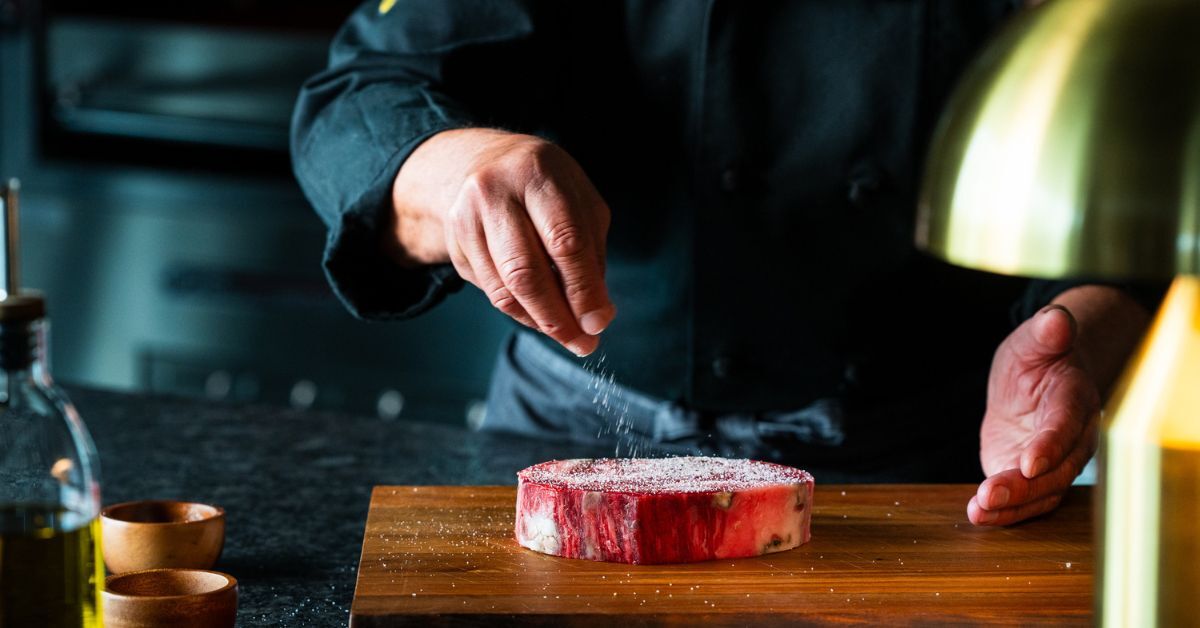
Season simply. Coarse salt and freshly ground pepper, that's it. Maybe some high-quality butter at the end. The complex flavors you paid for should shine through, not get buried under rubs and marinades. Save those for cheaper cuts that need help.
For cooking, you've got options. A screaming-hot cast-iron pan works beautifully. Get it smoking hot, add a high smoke-point oil, and sear hard on both sides before finishing in a 400°F oven.
Or fire up your grill to high heat and use the direct-indirect method. Or try reverse searing: start by cooking the steak low in the oven until it reaches an internal temperature of 110°F, then sear it in a hot pan for a perfect crust.
Whatever method you choose, use a reliable meat thermometer. For dry-aged beef, many experienced cooks prefer a medium-rare cut, with an internal temperature of around 130-135°F. This temperature preserves the tender texture and lets those unique flavors come through. A well-done dry-aged steak is a tragedy. You've essentially turned expensive aged beef into regular overcooked beef.
After cooking, let your steak rest for 5-10 minutes on a cutting board before slicing. The juices redistribute, the temperature evens out, and you don't lose all that moisture on the plate.
4. The Flavor Profile Is Distinctly Different
If you're expecting dry-aged beef to taste like regular steak, just beefier, you're in for a surprise. The flavor profile takes unexpected turns that some people love and others find, well, too funky.
That concentrated beef flavor you're expecting? It's definitely there, but it comes with unexpected notes. Dry-aged beef often has nutty undertones, almost like aged cheese or toasted nuts. Some cuts develop a subtle sweetness, others lean savory and umami-rich. Longer aging periods can introduce flavors reminiscent of blue cheese, aged cheddar, or even earthy mushrooms.
This flavor is where people split into camps. Steak enthusiasts who appreciate complex flavors find dry-aged beef revelatory. It's everything they love about beef, amplified and layered with interesting notes they didn't know beef could have. However, if someone prefers a clean, straightforward beef flavor, they might find aged steak too intense or unusual.
The aging period directly impacts how pronounced these flavors become. A 28-day-aged steak tastes noticeably beefier than fresh, but still relatively familiar. Push it to 45 days, and those funky, nutty notes start emerging. Go 60-plus days and you're in territory where the beef almost tastes like a completely different protein, rich, pungent, complex, and borderline gamey.
Your fat content matters here, too. The intramuscular fat in well-marbled cuts absorbs and retains those developing flavors. That's why heavily marbled ribeyes show off dry aging better than leaner cuts. The fat becomes a flavor vehicle, enriching every bite.
Elevate Your Home Cooking with Dry-Aged Beef
Dry-aged beef is one of the finest cuts you can work with in your home kitchen. These five important things to know about dry-aged beef will enable you to make informed decisions and achieve restaurant-quality results.
Your high-functioning kitchen already has what these steaks need. You've got the right pans, proper temperature control, and the skills to execute. Now you've got the knowledge to match. The Linz Shop delivers hand-selected dry-aged beef straight to your door so that you can cook restaurant-quality steaks at a moment's notice.