

A Porterhouse commands attention the moment it hits the cutting board. Its size, structure, and presence signal that you’re cooking something serious. When you understand how to prepare a Porterhouse Steak for the grill or oven, you can turn that impressive cut into a precise, steakhouse-level result at home.
With a premium Porterhouse from The Linz Shop, you already trust the consistency and craftsmanship behind the beef, so your focus stays where it belongs: disciplined technique and confident execution. Your job becomes simple: apply sound technique and let the beef shine.
Understand the Structure of a Porterhouse
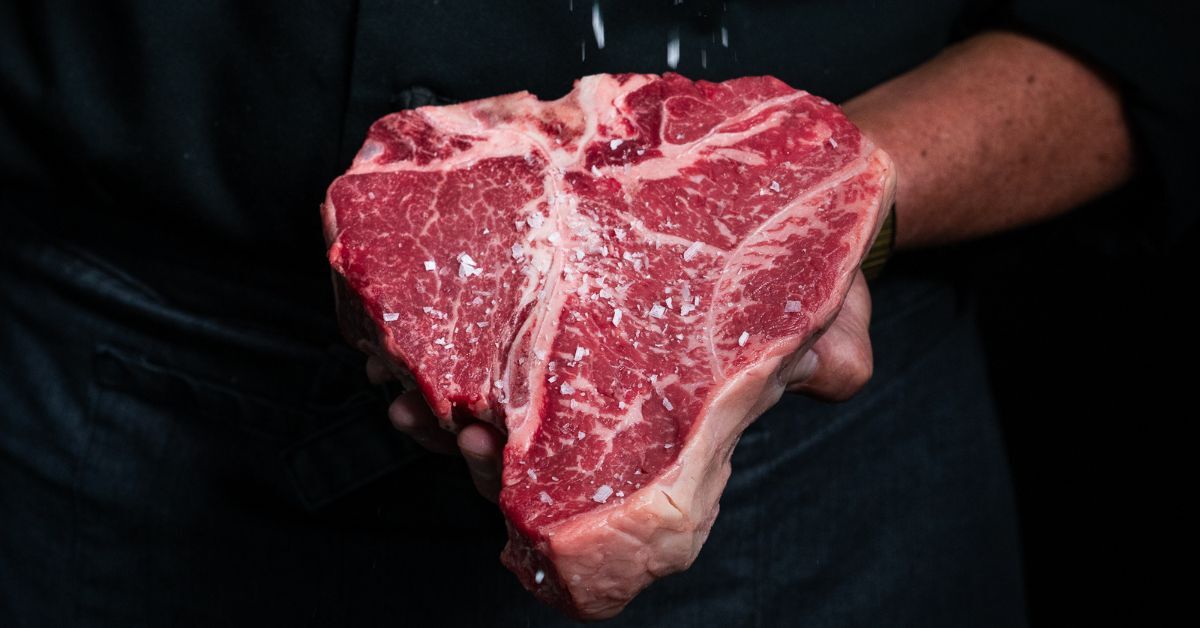
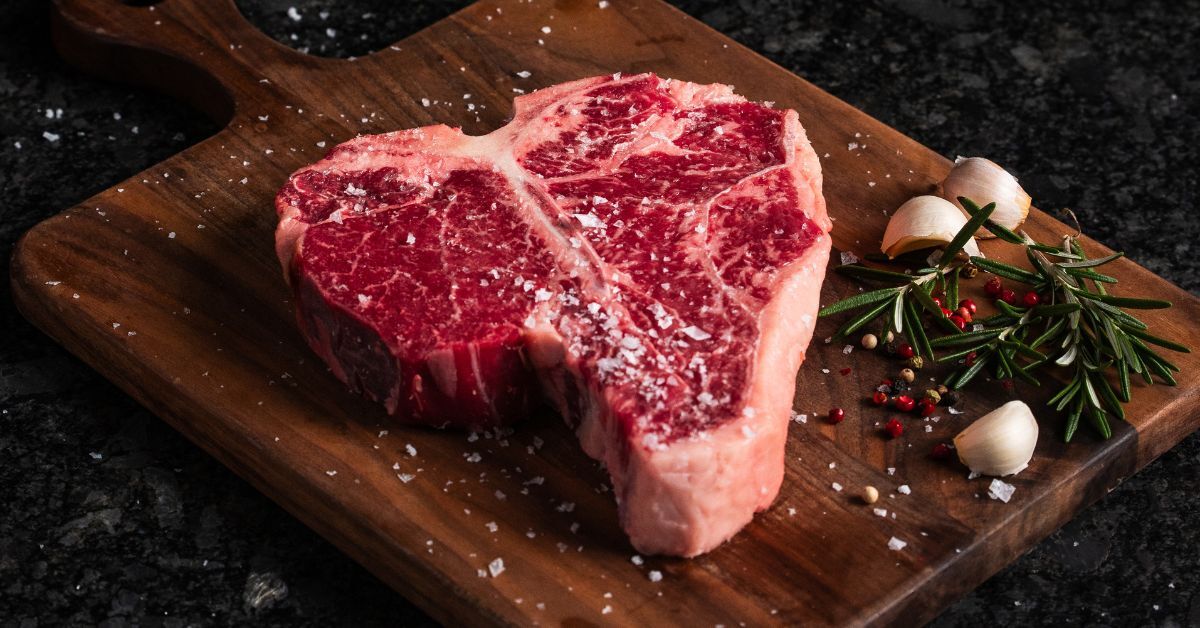
A Porterhouse stands out because it’s made up of two different muscles with a bone running between them. The filet side cooks more quickly since it’s more lean and tender, while the strip side has extra marbling and develops a rich, flavorful crust over high heat.
You’ll need to control the heat to keep the filet tender and still get a good sear on the strip. Finding this balance is key to cooking a great Porterhouse. Once you know how it’s built, every step in the process becomes easier and more deliberate.
Bring the Steak to the Right Starting Temperature
Take your Porterhouse out of the fridge 45 to 60 minutes before you start cooking. Letting it sit at room temperature helps it cook evenly throughout.
If the center is too cold, you might end up overcooking the outside before the inside reaches the right temperature. This resting period also gives you time to gather your seasonings and prepare your cooking station, so everything is ready when the steak hits the heat.
Before seasoning, pat the steak dry with paper towels. Too much moisture can stop it from browning and forming a good crust. Drying the surface makes sure it gets the best sear possible. Remember, a steak that starts at the right temperature is much easier to cook to your preferred level of doneness.
Season Well for Flavor Enhancement
Generously season your Porterhouse with kosher salt on every side, making sure to get the edges, too. Salt brings out the beef’s natural flavor and helps create a great crust.
For the best taste, add freshly cracked black pepper right before you cook, so it doesn’t get bitter. If you like, you can experiment with a pinch of garlic powder or smoked paprika, but keep any additions subtle so the beef remains the star.
Rub on a thin layer of olive oil or avocado oil to help the salt and pepper stick. Both oils can handle high heat and help you get that perfect sear. Simple, thoughtful seasoning lets the beef's quality shine through. Avoid using too much oil, as a heavy coating can cause flare-ups and overwhelm the steak's flavor.
Prepare Your Grill or Oven Properly
Managing your heat well is what turns a good steak into a great one. Set up your grill with both direct and indirect heat zones before you start. If you’re using the oven, preheat it to 400°F and get a heavy cast iron pan hot on the stovetop.
Follow these setup steps for consistent results:
- Preheat the grill grates or a cast-iron pan thoroughly.
- Create a two-zone fire on the grill.
- Use only olive oil or avocado oil.
- Keep an instant-read thermometer nearby.
- Rest a wire rack on a sheet tray for post-cook resting.
Proper preparation allows you to focus fully on execution once the steak hits the heat. Take a few extra minutes to organize your tools and ingredients to make the cooking process feel more relaxed and enjoyable. When everything is in place, you’ll find it easier to make quick adjustments and avoid potential complications.
Use Controlled Heat When Grilling
Start by placing your Porterhouse over direct heat to develop a rich, golden-brown crust. Sear each side for several minutes, making sure to rotate the steak once so browning happens evenly. Keep an eye out for flare-ups from the flames, which can char the outside too quickly; move the steak to a cooler spot or briefly close the lid to manage them.
Using long-handled tongs will improve safety and make it easy to reposition the steak without piercing the meat and losing its juices. If you like crosshatch grill marks, give the steak a quarter-turn halfway through each side’s sear.
Once you have a deep brown crust, move the steak to the cooler, indirect heat side of the grill. Close the lid to create an oven-like environment, which allows the heat to gently finish cooking the steak without burning the outside.
Check the internal temperature with a meat thermometer, aiming for 125°F for medium rare, before you take it off to rest. Remember, the steak will continue to cook a bit as it rests, so pulling it just shy of your target ensures it stays juicy and tender.
Keep a close eye on the filet side, since it’s more delicate and can overcook faster than the strip. If you notice it’s getting too much heat, angle the filet slightly away from the hottest part of the grill to protect its tenderness. This attention to detail will help you serve both sides of the Porterhouse at their very best.
Oven-Baked Porterhouse: Getting It Just Right
Start by heating a cast-iron pan over medium-high heat until it’s thoroughly hot and steady; you should feel the heat radiating from the surface. Lay your Porterhouse in the pan and sear it for several minutes on each side to develop a deep, golden crust.
As the crust forms, you’ll notice the aroma becoming richer and more inviting. When both sides are perfectly browned, carefully transfer the pan to your preheated oven to finish cooking. This combination of stovetop searing and oven roasting helps lock in juices and provides excellent texture for both the filet and strip sides.
Continue cooking until the internal temperature reaches about 125°F for medium-rare. Always use a meat thermometer for accuracy, since time alone can be unreliable. The thickness of your Porterhouse will have a big impact on how long it should stay in the oven, so check it often rather than relying solely on the clock.
If you prefer your steak more or less done, adjust your target temperature to match your taste. This oven method delivers steady, even heat, helping prevent the filet from overcooking while ensuring the strip reaches the perfect doneness.
You’ll also find it easier to achieve a consistent result every time. Let the steak rest for a few minutes after removing it from the oven to allow the juices to redistribute, making each bite tender and flavorful.
Rest, Slice, and Serve Like a Pro
Let your Porterhouse rest for 5 to 7 minutes per inch on a wire rack after it comes off the heat. This short break gives the juices time to move back through the steak, making each bite tender and flavorful. Resting also helps even out the internal temperature, so you get a perfectly cooked steak from edge to center.
If you cut into the steak too soon, you’ll notice a lot more juice running onto the cutting board instead of staying in the meat. For the best results, loosely tent the steak with foil to keep it warm without making the crust soggy.
To serve, carefully slice the filet and strip away from the bone, then cut each section into individual portions. Be sure to slice against the grain, as this technique shortens the muscle fibers, making each piece more tender and enjoyable.
Cutting with the grain can result in chewy, less pleasant bites, so take a moment to identify the direction of the lines running through the meat. Using a sharp carving knife will help you achieve clean, even slices that showcase the steak’s beautiful texture and maximize tenderness in every bite.
Arrange the slices on a warm platter for an attractive presentation, and if you like, finish with a pinch of flaky sea salt or a drizzle of good olive oil for extra flavor. Serve right away while the steak is still juicy and hot.
Make Every Porterhouse Count
Learning to prepare a Porterhouse Steak for the grill or oven gives you the skills you need to feel at ease in your kitchen. With the quality and reliability of The Linz Shop’s Porterhouse steak delivery and a focus on solid technique, you’ll consistently serve up impressive results.
Knowing exactly where your steak comes from allows you to focus on the fun part: cooking and sharing a great meal. Whether you’re serving a special dinner or just treating yourself, you’ll enjoy steakhouse-level flavor and tenderness right at home.