

Imagine slicing into a perfectly seared steak, its aroma rich and nutty, its flavor layered with depth you can’t find in standard cuts. Each bite feels like a revelation, the kind of dining experience that makes you pause and savor. That’s the allure of dry-aged beef. But here’s the question: is dry-aged beef worth it?
If you’re someone who already knows their way around a prime ribeye, keeps a cast-iron within reach, and sources quality ingredients, then it’s time to discover the unmatched depth of dry-aged beef. By the end of this guide, you’ll know exactly what dry aging is, why it carries a premium price, and why this culinary treasure deserves a spot on your dinner table.
What Is Dry-Aged Beef?
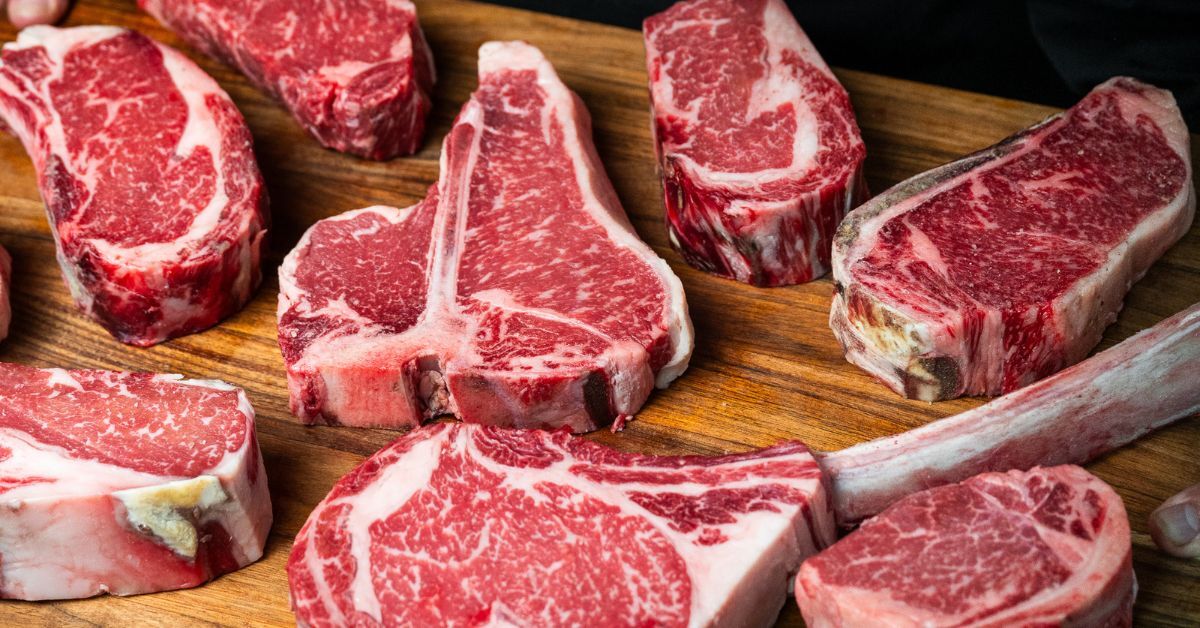
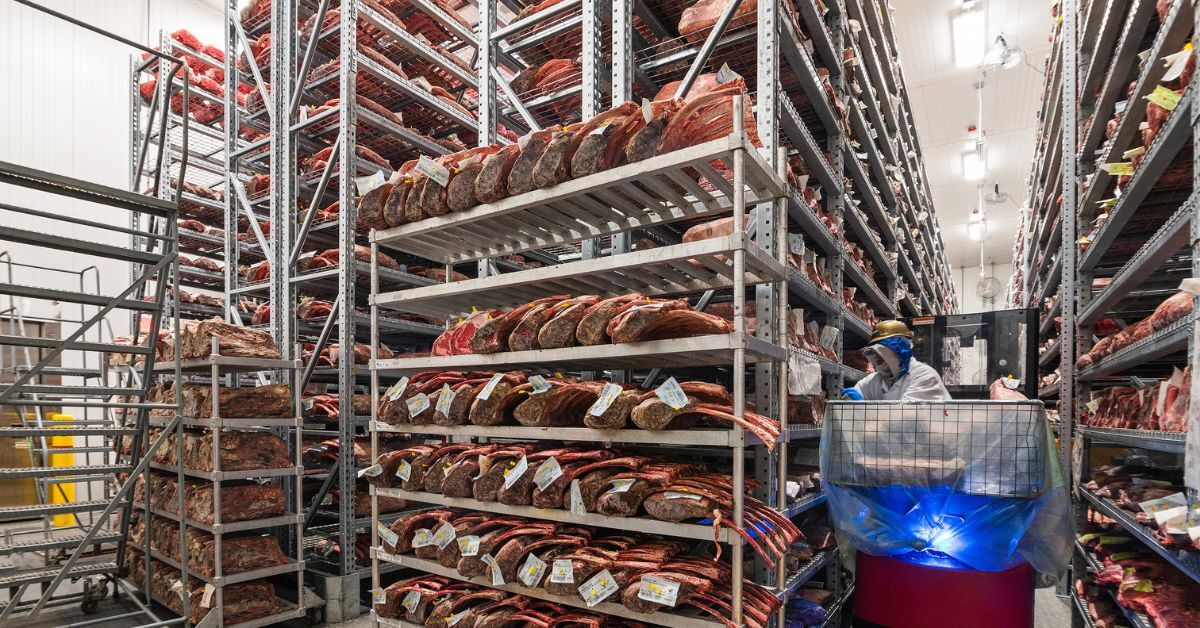
Dry-aged beef isn’t a different cut of premium meat. It’s the same cuts, made flavorful through a different type of process. The dry-aging transformation happens in a controlled environment where temperature, humidity, and airflow are meticulously maintained. Over several weeks in these conditions, the muscle fibers in the meat break down, tenderizing it, while moisture evaporates to concentrate flavor.
What you’re left with is a beef that’s more tender, deeply savory, and layered with flavor notes that range from nutty to earthy, sometimes even carrying a mushroom-like depth. You can think of dry aging as intentional refinement. This process takes patience, expertise, and precision, all working together to create a steak that stands apart from anything else in the supermarket case.
Why Chefs and Butchers Obsess Over Dry Aging
Ask any chef or butcher why they love dry-aged beef, and you’ll hear a mix of passion and pride. It’s not just about how the meat changes—it’s about what those changes mean at the table. For chefs, dry-aged beef elevates an ordinary steak into a culinary event. It offers a complexity they can’t achieve with seasoning alone. The beef speaks for itself, demanding a simpler plate that lets the main attraction shine.
For butchers, dry aging represents craft and patience. Each cut of beef spends weeks in storage, where it’s monitored daily, with no shortcuts allowed. It’s a badge of honor to present something that required so much time, care, and precision. Dry-aged beef isn’t an everyday steak. It’s the one you order and cook when only the best will do. That’s why many connoisseurs actively seek dry-aged steaks when they want the ultimate eating experience.
Why Dry-Aged Beef Costs More (and if It’s Worth It)
So, why does dry-aged beef cost more than a standard cut? It comes down to time, yield, and resources. Let’s take a closer look at these factors:
- Shrinkage: As moisture evaporates, the beef loses 20 to 30 percent of its weight. Less product equals higher cost.
- Trimming: The dried, hardened exterior of the meat must be removed before serving, which further reduces yield.
- Storage: Dry aging requires specialized rooms with precise temperature, humidity, and airflow. Those setups require money, and each cut can occupy valuable space for weeks or months.
Put simply: you’re paying for more than meat. You’re paying for artisanship, patience, and rarity. Is dry-aged beef worth the price? The answer will always be a resounding yes. This is an experience worth savoring.
Dry Aging at Home vs. Buying From a Butcher
The rise of DIY food culture might tempt you to try dry aging at home. However, unless you’re equipped with specialized gear, it’s a risky endeavor. You need precise control over your variables or you risk unsafe results or wasted product.
Dedicated dry-aging fridges exist for ambitious home cooks, but they’re an investment in cost and learning curve. For most people, the smarter move is sourcing dry-aged beef from trusted butchers, high-end grocers, and reputable online purveyors. Professionals have aced the dry-aging process, ensuring consistency and safety with every cut.
Which Cuts Are Best for Dry Aging?
Not every cut of beef benefits equally from dry aging. The process works best with larger, bone-in cuts that have enough fat and structure to withstand weeks of controlled aging. Ribeye and strip loin are the classics because they’re richly marbled, balanced in flavor, and large enough to lose some yield without compromise.
Tenderloin, on the other hand, is rarely dry aged because of its lean profile. Without fat and marbling, it doesn’t gain the same complexity. If you’re buying beef for your first dry-aging experience, start with ribeye or strip for the best payoff.
How To Cook Dry-Aged Beef
You’ve invested in a premium cut, so how do you make sure every bite delivers? Dry-aged beef cooks a little differently than standard steaks because of its low moisture content. That means faster cooking and less risk of steaming.
The best methods are:
- Cast-iron sear for a golden crust and controlled heat.
- Grilling over high heat to add a smoky edge.
- Reverse searing for thicker cuts, allowing even doneness and a perfect finish.
When seasoning, keep it minimal. Generous salt, maybe a touch of pepper, and five to 15 minutes of resting time are all you need. To elevate your dry-aged steak dinner further, pair it with a bold red wine that can stand up to the richness.
Above all, let the beef shine. Skip the heavy sauces or elaborate sides. The beauty of dry-aged beef is in its pure, unmasked flavor and tenderness.
Verdict: Is Dry-Aged Beef Worth It?
Is dry-aged beef worth it? If you’re someone who invests in sharp knives, a premium pan, and top-quality ingredients, then yes, it most certainly is. Eating dry-aged beef is an experience unlike any other. It’s your chance to taste history, tradition, and technique in every bite.
At The Linz Shop, dry aging is a craft we’ve refined over four generations of butchers. Our expertise, paired with the largest dry-age room in the United States, ensures every cut develops unmatched depth, tenderness, and flavor.
For those ready to experience dry-aged beef at its peak, sourcing matters just as much as cooking. Choosing an industry-leading online purveyor like The Linz Shop means getting expertly aged, carefully handled cuts delivered straight to your door.