
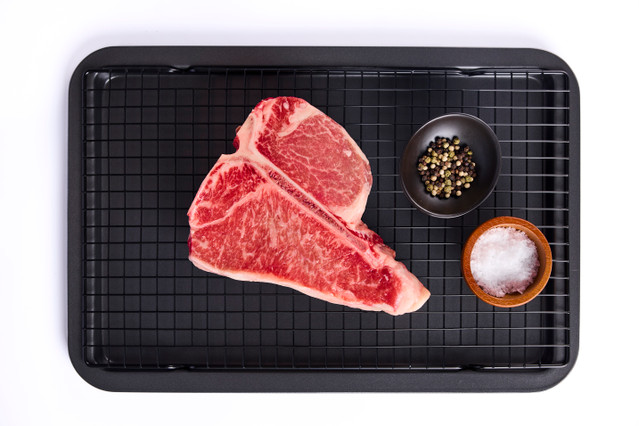
The Porterhouse stands as the crown jewel of steaks, commanding respect from seasoned grill masters and discerning home chefs alike. This magnificent cut offers something truly special: two premium steaks in one spectacular package. In this guide below, we’ll explain everything you need to know about the Porterhouse, from what two steaks make up its delicious composition to how to prepare and serve it.
Understanding the Porterhouse Cut
The Porterhouse is a steak lover’s dream, combining the best of two worlds in one impressive cut. Distinguished by its signature "T"-shaped bone, the Porterhouse features two distinct sections of meat on either side. The two steaks that make up the Porterhouse are the tenderloin and the strip steak.
On one side, you’ll find the tenderloin, celebrated for its incredible tenderness and buttery texture. On the other side lies the strip steak (or New York strip), known for its rich flavor and hearty texture. This harmonious pairing of tenderness and taste makes the Porterhouse an unparalleled choice for those craving a steakhouse experience at home.
The New York Strip Side
The New York strip occupies the larger portion of your Porterhouse, delivering the robust beef flavor that steak enthusiasts crave. This section showcases beautiful marbling throughout the meat, with ribbons of fat that render during cooking, creating incredible richness and depth of flavor.
The strip side offers a firm, meaty texture that provides satisfying resistance when you slice through it with your knife. This firmness comes from the muscle's location along the cow's back, where it receives moderate exercise, developing just enough structure to create that coveted steakhouse chew without becoming tough.
Preparing a New York Strip
To properly prepare a New York strip, let it rest at room temperature for at least 30 minutes. Generously season all sides with coarse sea salt and freshly cracked black pepper. For a classic steakhouse sear, preheat a heavy-bottomed skillet, preferably cast iron, over high heat until it’s almost smoking. Add a high-smoke-point oil, such as olive or avocado oil, and then carefully place the steak in the pan.
Sear the steak for 2–3 minutes per side without moving it to develop a rich, brown crust. For a perfect medium-rare, continue cooking, flipping every minute or so, for another 4–6 minutes.
In the final two minutes, add a tablespoon of butter, a crushed garlic clove, and a sprig of fresh rosemary or thyme. Angle the pan and spoon the foaming butter over the steak to baste it with flavor. Once it reaches your desired doneness, remove the steak from the pan and let it rest on a cutting board for at least 10 minutes before slicing.
The Tenderloin Side
The tenderloin portion of your Porterhouse represents pure luxury. This smaller section comes from the psoas major, which receives virtually no exercise throughout the animal's life, resulting in unparalleled tenderness that practically melts under your fork.
While the tenderloin contains less marbling than its strip counterpart, it compensates with an incredibly fine grain and silky texture. The flavor profile leans toward subtle and refined, allowing the natural beef essence to shine without overwhelming richness. This delicate nature makes the tenderloin side perfect for those who prefer their steak experience to emphasize texture over intensity.
Preparing a Tenderloin
When preparing the tenderloin, its smaller size requires a thoughtful approach to achieve perfection. Because it cooks faster than the strip side, position it further from the primary heat source. This allows the strip to cook thoroughly while ensuring the tenderloin reaches a beautifully tender, medium-rare finish. A quick sear is all it takes to lock in its delicate flavors, followed by indirect heat to gently bring it to your desired temperature.
The tenderloin’s mild yet elegant flavor profile makes it a fantastic canvas for your culinary creativity. Season it simply with salt and pepper to let its natural character shine, or pair it with a light, complementary sauce, such as a classic béarnaise or a red wine reduction.
Bone Structure and Significance
The T-shaped bone of the Porterhouse serves more than just as a divider between the two steaks—it also acts as a flavor enhancer and cooking aid. This bone structure conducts heat differently than the surrounding meat, creating temperature variations that help achieve perfect doneness across both sides of your Porterhouse.
During cooking, the bone retains heat and slowly releases it into the adjacent meat, helping keep both the strip and tenderloin moist throughout the process. The bone also contributes subtle mineral flavors that enhance the overall taste profile. As the meat cooks, juices collect near the bone, concentrating flavors and creating those coveted crispy edges that add textural interest to each bite. These bone-adjacent areas often develop the most complex flavors, combining the meat's natural richness with the mineral notes from the bone itself.
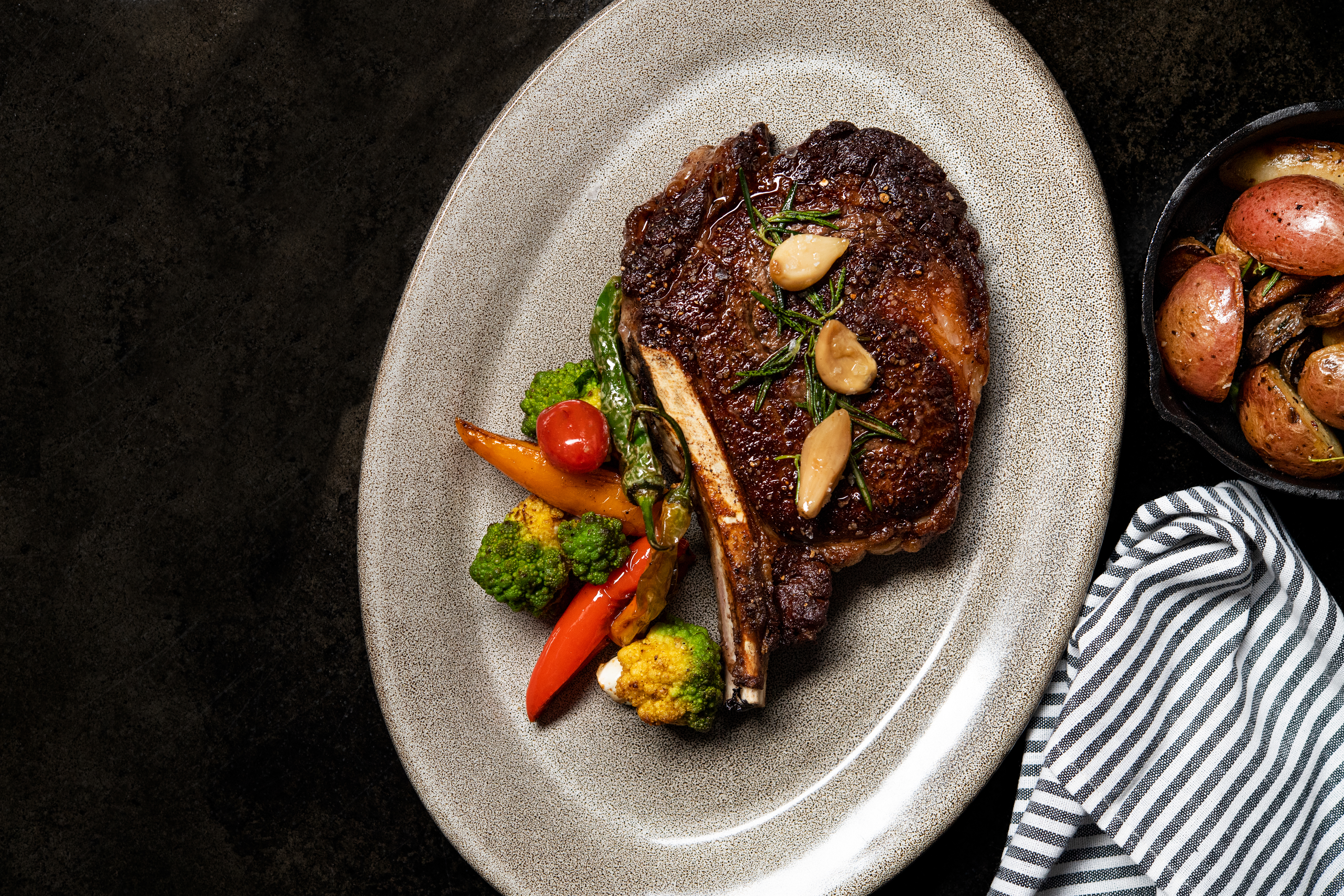
Cooking Techniques for Porterhouse Perfection
Achieving restaurant-quality results with your Porterhouse requires understanding how to manage two different cuts simultaneously. Your kitchen equipment is crucial for executing the precise temperature control needed for optimal results. Start by bringing your steak to room temperature, which ensures even cooking throughout both sections. Season generously with coarse salt and freshly cracked pepper, allowing the seasoning to penetrate the meat while your cooking surface preheats.
The reverse sear method works exceptionally well for Porterhouse steaks. Begin in a low oven, around 275°F, until the internal temperature reaches about 10 degrees below your target doneness. This gentle cooking allows both the strip and tenderloin to heat evenly without the outside overcooking. Finish with a blazing hot sear in your heavy-bottomed pan or on your grill. This final step creates the caramelized crust that contrasts beautifully with the tender interior.
Your instant-read thermometer becomes invaluable here. Target 125°F for medium-rare, checking both the strip and tenderloin sides. The tenderloin typically runs about 5 degrees warmer than the strip, so use this differential to guide your timing.
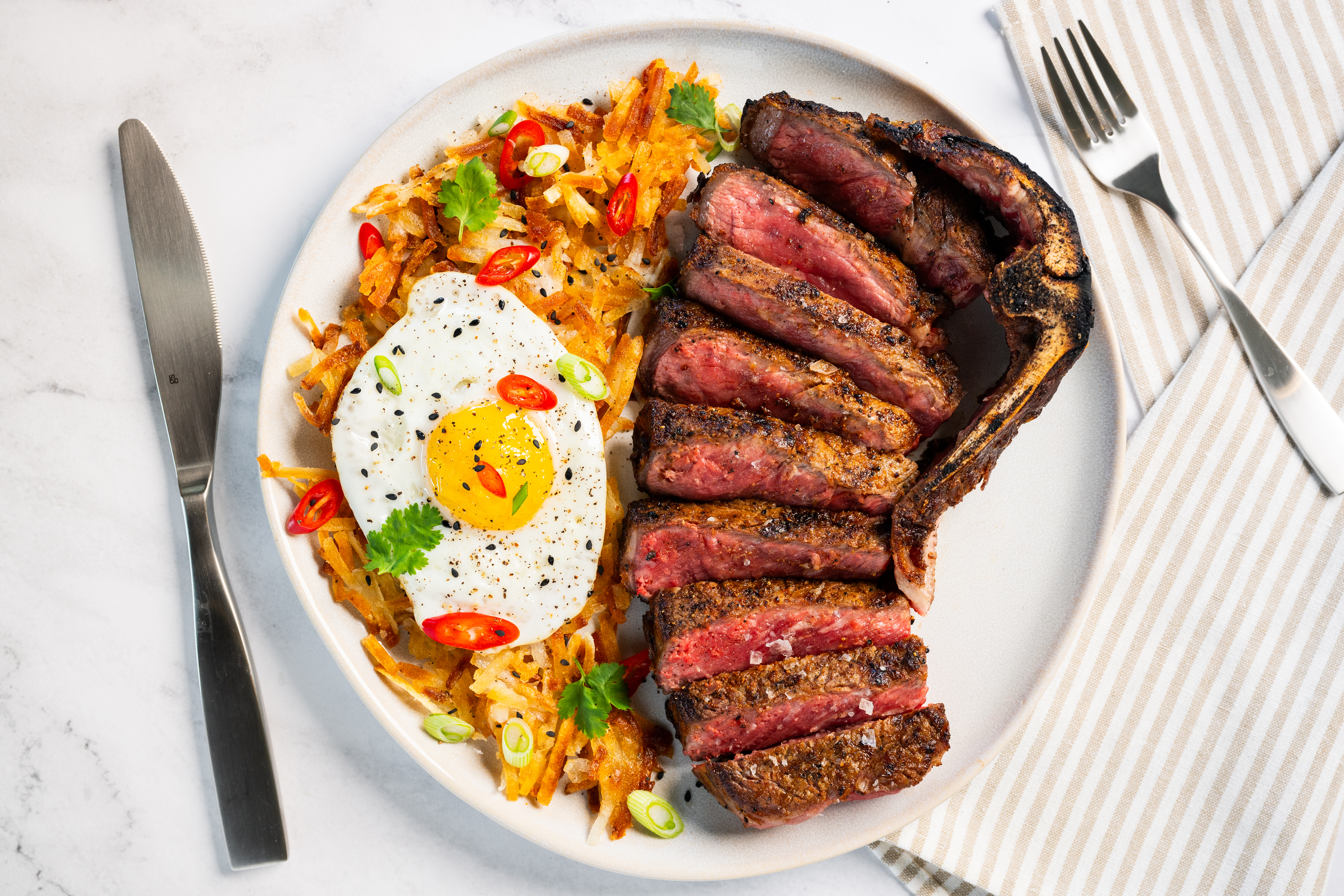
Flavor Pairings and Serving Suggestions
The dual nature of your Porterhouse opens up exciting pairing possibilities that complement both the robust strip and delicate tenderloin. Classic preparations work beautifully, but your sophisticated palate can appreciate more nuanced approaches. Consider compound butters that enhance rather than mask the beef's natural flavors. A simple herb butter with fresh thyme and garlic complements both sides perfectly, while a blue cheese butter adds richness that particularly flatters the strip portion.
Side dishes should provide textural and flavor contrasts without competing with your spectacular steak. Roasted bone marrow adds richness, while grilled asparagus offers a fresh counterpoint. Creamy mushroom preparations complement the earthy beef flavors, and a simple arugula salad provides acidic balance.
Mastering the Ultimate Steak Experience
The Porterhouse represents the pinnacle of steak appreciation, combining the best characteristics of two exceptional cuts into one unforgettable meal. If you want to enjoy this exceptional cut of beef at home, consider Meats by Linz’s Porterhouse steak delivery!
Choose a Porterhouse from Meats by Linz and experience the perfect blend of two exceptional steaks. With our expertly crafted cuts, you can create unforgettable meals that showcase the art of premium beef. Order now and elevate your dining experience!