

The debate over wrapping brisket in butcher paper or foil has sparked passionate discussions among pitmasters and home barbecue enthusiasts for years. This technique, known as the "Texas Crutch," transforms a good brisket into an exceptional one by managing moisture and temperature during the crucial middle phase of cooking.
At The Linz Shop, we've spent decades perfecting our craft, and we understand that premium beef deserves premium preparation methods. Your choice of wrapping material directly impacts bark texture, moisture retention, and overall flavor development. Both options deliver excellent results, yet each brings distinct characteristics to your finished brisket.
The method you select depends on your personal preferences, desired outcomes, and cooking style. Understanding the science behind each approach empowers you to create restaurant-quality results in your backyard smoker or kitchen oven.
Why Wrapping Your Brisket Matters
Wrapping your brisket serves multiple critical functions during the cooking process. The technique helps you push through that frustrating plateau where internal temperatures hover around 150-165°F for hours. When moisture evaporates from the meat's surface, it creates a cooling effect that dramatically slows cooking.
Wrapping creates a barrier that traps heat and steam, accelerating the cooking process without sacrificing quality. This method also protects your brisket from excessive smoke exposure, which can turn flavors bitter during extended cook times. The wrap preserves moisture that would otherwise escape, keeping your brisket tender and juicy throughout the final hours of cooking.
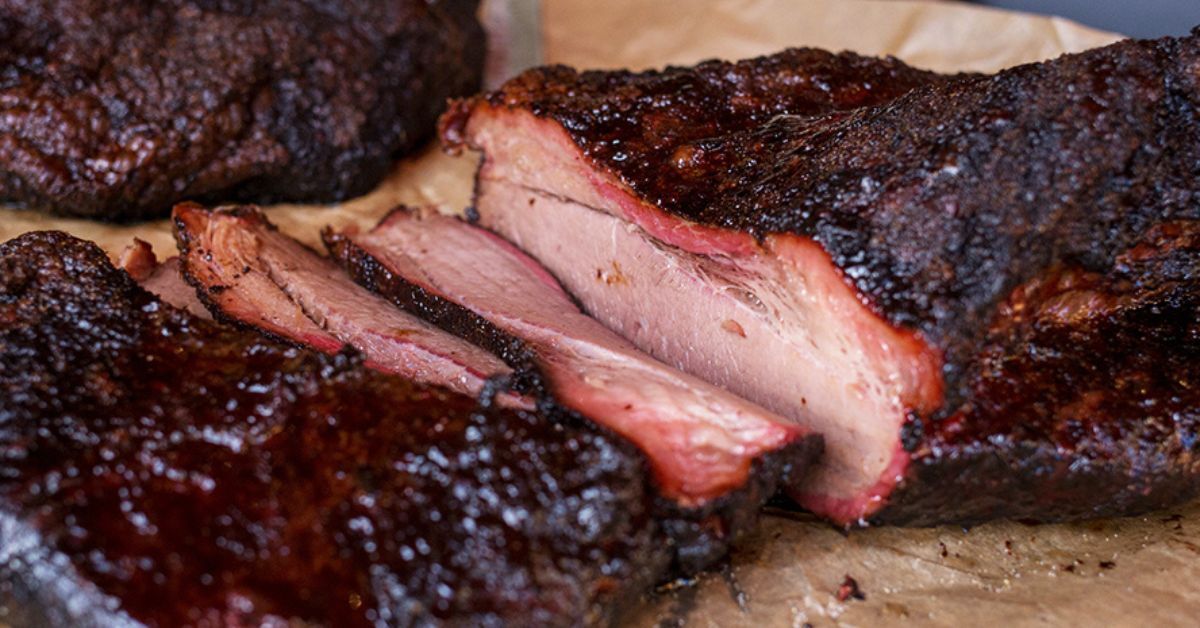
Experienced cooks recognize that unwrapped briskets often develop overly thick, hard bark that becomes unpleasant to eat. Wrap it at the right time, and you’ll get a well-formed bark that’s still tender enough to enjoy.
The Case for Butcher Paper
Butcher paper has become the gold standard among serious barbecue competitors and passionate home cooks. This breathable material allows smoke to continue penetrating the meat while protecting against heat loss and moisture evaporation. The paper creates an ideal microenvironment that allows steam to escape partially, preventing the bark from becoming soggy or losing its satisfying texture.
Using high-quality butcher paper helps your brisket develop a rich mahogany crust that’s firm on the outside yet tender on the inside. The paper holds up remarkably well during long cooking times, typically lasting six to eight hours without tearing or falling apart.
Many pitmasters appreciate how butcher paper maintains the authentic barbecue experience, preserving that perfect balance between tenderness and texture. The paper allows just enough airflow to prevent the meat from steaming, so your bark stays crisp and flavorful. This method delivers results that closely mirror traditional unwrapped smoking while providing the practical benefits of accelerated cooking times and improved temperature control.
The Benefits of Aluminum Foil
Aluminum foil creates an impermeable seal that locks in every drop of moisture and dramatically speeds up your cooking process. This method produces an incredibly tender, fall-apart brisket, that literally melts in your mouth with minimal effort.
The foil reflects heat onto the meat, creating an efficient cooking environment that can reduce the total cooking time by several hours. You gain precise control over moisture levels by adding liquids like beef broth, apple juice, or beer before sealing the packet.
The foil method excels when you're working with leaner cuts or facing time constraints that demand faster results. Your brisket essentially braises in its own juices, breaking down connective tissues rapidly and ensuring consistent tenderness throughout.
The main compromise is the bark, which foil tends to soften, creating a moist, tender surface instead of a firm crust. Some cooks embrace this characteristic, especially when they plan to serve the brisket chopped or sliced thin for sandwiches, where bark texture becomes less critical to the overall eating experience.
Choosing the Right Method for Your Cook
Your decision to use either butcher paper or foil should align with your specific goals and circumstances. Consider these factors when selecting your wrapping approach:
- Bark preference: Choose butcher paper for a firm, textured crust or foil for a softer exterior
- Time available: Select foil when you need faster results, paper for more traditional timing
- Meat quality: Premium cuts like those from The Linz Shop benefit from the paper's gentler approach
- Serving style: Paper works best for sliced presentations, foil suits chopped applications
- Equipment setup: Stable smoking temperatures favor paper, variable conditions suit foil's forgiving nature
The quality of your starting product influences which method yields optimal results. Well-marbled Angus brisket often works best with butcher paper, since the rich fat keeps it moist without needing the heavy insulation from foil. Experiment with both techniques to discover which approach best suits your palate and cooking style.
Mastering Your Brisket Technique
No matter what material you use, getting the timing right is what defines a great brisket. Wait until your brisket reaches an internal temperature of 165°F and develops a rich, dark bark before wrapping. This typically occurs four to six hours into the cooking process, depending on the meat size and the smoker temperature.
Remove the brisket from the heat, wrap it tightly, and return it immediately to maintain momentum. Monitor the internal temperature until it reaches 200-205°F in the thickest part of the flat.
Resting allows the juices to redistribute throughout the meat, so every slice stays tender and moist instead of drying out when cut. Rest your wrapped brisket for at least one hour in a cooler before slicing. This step remains non-negotiable for exceptional results.
The Foundation of Unforgettable Brisket
Every pitmaster knows the frustration of putting in hours of work only to end up with a brisket that falls short. No one wants dry edges, uneven texture, or flavor that just doesn’t hit the mark.
More often than not, the problem starts long before the smoker ever fires up. Great barbecue begins with great beef. Whether you choose butcher paper or foil, the quality of your brisket determines how much your time and technique can deliver.
At The Linz Shop, we take that uncertainty out of the equation. Our premium Angus cuts provide the perfect foundation for rich, flavorful barbecue that rewards every bit of effort you put in. With our online steak delivery service, restaurant-quality beef arrives right at your door, giving you confidence that your next cook will start strong and taste amazing.