

Strip steak lovers know the drill. You want that perfect balance of marbling, tenderness, and beefy flavor that makes this cut stand out from everything else at the butcher counter. But here's the thing: strip steaks come in several varieties, and understanding what sets them apart will help you pick the right one for your dinner table.
What are the different kinds of strip steaks? The answer depends on the grade, aging process, and whether you prefer bone-in or boneless. Each option brings something different to your plate.
Some deliver intense marbling and butter-soft texture, while others offer traditional beefy flavor with a satisfying chew. Your choice shapes the entire cooking and eating experience, so knowing your options matters.
Prime vs. Reserve Grade: Understanding Quality Levels
Prime grade represents the top tier of beef quality in the United States. The USDA assigns this grade to beef with abundant marbling—those white flecks of intramuscular fat that melt while cooking and create incredible flavor.
Only about two to three percent of beef earns this designation. You'll taste the difference immediately. Prime strip steaks deliver rich, buttery flavor and stay tender even if you accidentally overcook them slightly.
Reserve grade sits one step below Prime in the grading hierarchy. Many high-end butchers and specialty shops use this term for High Choice– or Upper 2/3–grade beef that scores at the upper end of the spectrum.
Reserve cuts show excellent marbling, though not as much as Prime. They still cook beautifully and satisfy the most demanding palates. The price difference between these grades can be significant, but both deliver excellent results when handled properly.
When selecting between these grades, consider your cooking method and sourcing. While Prime and Reserve cuts are both fantastic options, knowing where your beef comes from can significantly impact its flavor and tenderness.
Regarding cooking, these cuts don't need much more than some salt and pepper, but you can add compound butter to enhance their juiciness. Both grades respond beautifully to cast-iron searing or outdoor grilling.
Wagyu Strip Steaks: The Premium Experience
Wagyu changes everything you think you know about strip steak. This Japanese beef breed produces extraordinary marbling that spreads throughout the meat in intricate patterns. The fat content reaches levels that American beef rarely achieves.
When you cook Wagyu, the marbling melts quickly, basting the meat from within. The result? A texture so tender it almost dissolves on your tongue. A flavor that's rich but surprisingly delicate.
True Japanese Wagyu commands premium prices—sometimes $200 per pound or more. American Wagyu offers a more accessible option. Ranchers breed Japanese Wagyu cattle with American breeds, creating beef with enhanced marbling but at lower price points. You'll still experience the desired level of richness and tenderness.
These steaks require gentle handling. High heat can render too much fat too quickly. Lower temperatures work better, letting you achieve a perfect medium-rare without losing what makes Wagyu special.
Bone-In vs Boneless: Does the Bone Matter?
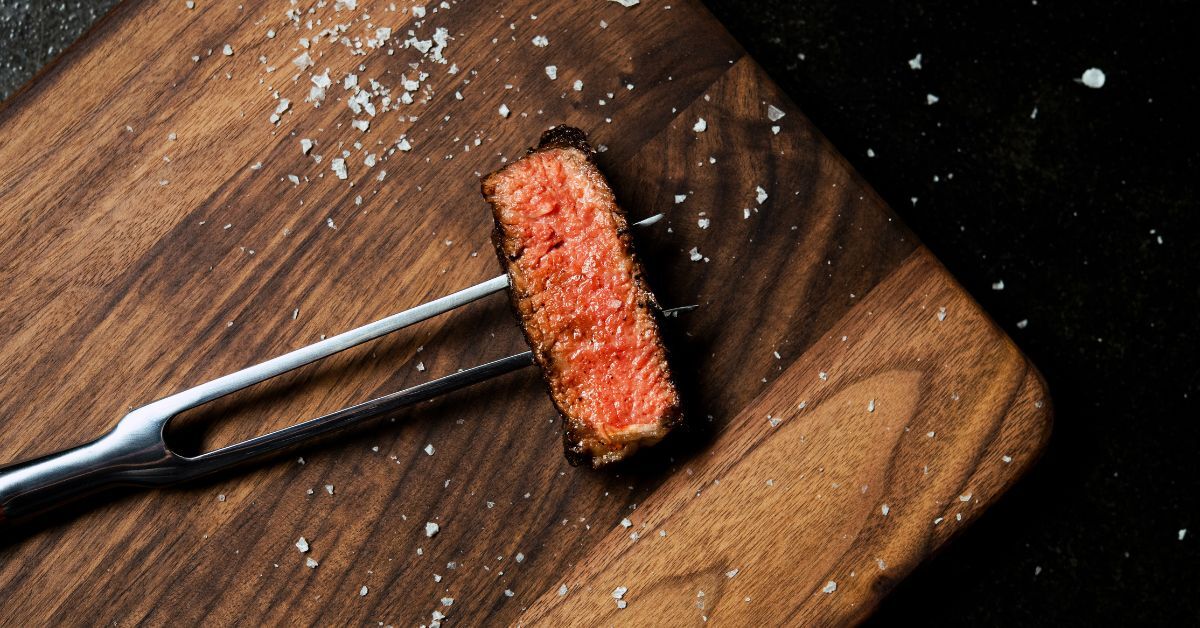
The bone debate continues in steakhouses and home kitchens everywhere. Bone-in strip steaks—sometimes called Kansas City strips—include a portion of the T-bone along one edge. That bone adds weight, which means you're paying for something you won't eat.
But many cooks swear the bone contributes flavor and helps the meat cook more evenly. The bone acts as a natural heat shield, protecting the meat closest to it from overcooking while the rest of the meat reaches your target temperature. This process creates slight textural variations across the steak.
Boneless strips give you pure meat from edge to edge. They're easier to cook evenly and simpler to slice. You can sear them hard on both sides without worrying about bone char or uneven contact with your pan.
A boneless 12-oz New York Strip cut fits perfectly in most skillets and cooks through in about eight to ten minutes total. The choice comes down to preference. Bone-in provides a traditional steakhouse presentation, while boneless offers greater convenience and consistency.
Dry Aged Strip Steaks: Concentrated Flavor
Dry aging transforms good beef into something extraordinary. Butchers place whole primals in temperature and humidity-controlled rooms for weeks or even months. During this time, several things happen:
- Moisture evaporates from the outer layers, concentrating the beef flavor in the remaining meat.
- Natural enzymes break down muscle fibers and connective tissue, dramatically increasing tenderness.
- Complex flavor compounds develop, creating nutty notes you won't find in wet-aged beef.
The process requires expertise and patience. You’ll lose 15-30% of the original weight to moisture loss and trimming. That loss factors into the price. Dry-aged strips taste intense—deeply beefy with woodsy undertones. The texture becomes more tender but also develops a slight crust on the exterior that crisps beautifully when seared.
These steaks work best with simple preparation. Salt, pepper, and high heat are preferable. Let the aging process shine through. If you prefer a milder beef flavor, dry-aged cuts might overwhelm your palate. But for those who love bold, concentrated taste, nothing else compares.
Choosing Your Perfect Strip Steak
Your ideal strip steak depends on what you value most. Want maximum tenderness and rich flavor? Go with Prime or Wagyu. Looking for excellent quality at a better price point? Reserve grade delivers without breaking the bank.
Prefer a more traditional presentation with a bone? Choose bone-in. Value ease of cooking and consistent results? Boneless works better. And if you're ready to experience beef at its most intense, dry-aged strips will change your perspective entirely.
Consider your cooking method, too. Thick cuts work better for reverse searing or finishing in the oven. Thinner strips excel on screaming-hot grills or cast-iron pans. Your equipment and skill level matter as much as the steak itself.
No matter which cut you choose, resting your steak after cooking keeps every bite tender and flavorful. Allow it to sit for five to ten minutes before slicing. Serve alongside roasted vegetables, a crisp salad, or garlic mashed potatoes for a balanced, restaurant-style dinner at home.
From Selection to Satisfaction: Enjoy Every Bite
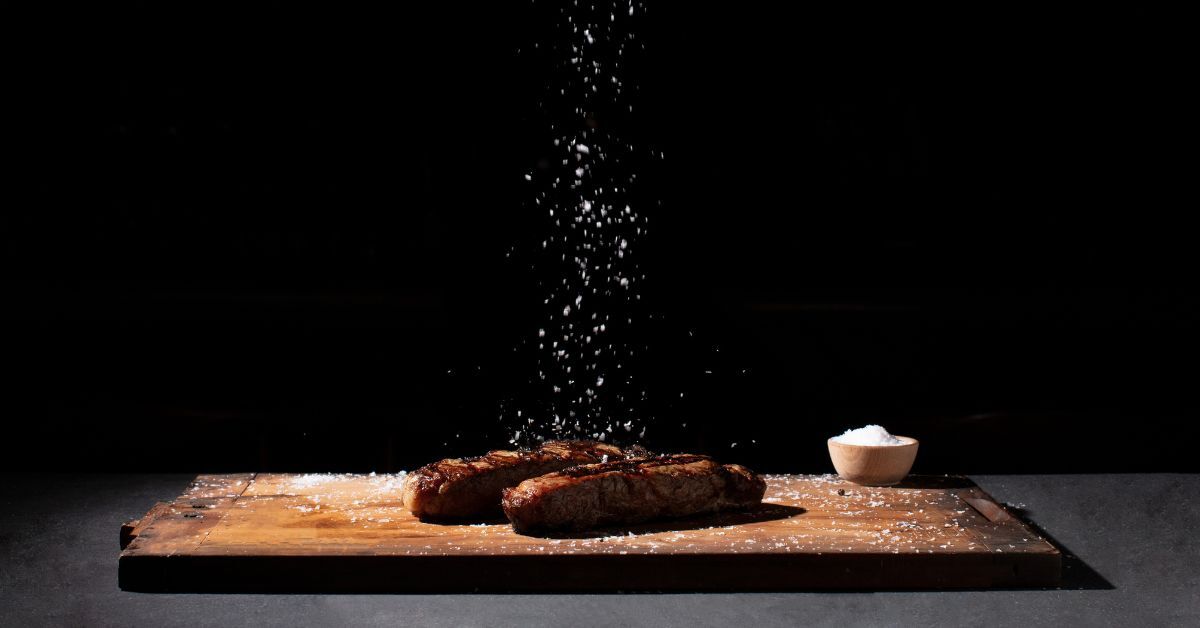
What are the different kinds of strip steaks? They're variations on a theme. Each one offers a slightly different path to that perfect bite. Start with one variety and work your way through the options. Your taste buds will tell you which one to add to your regular rotation.
Ready to taste the difference for yourself? Explore our full selection of premium strip steaks at The Linz Shop, where quality and craftsmanship meet in every cut.