
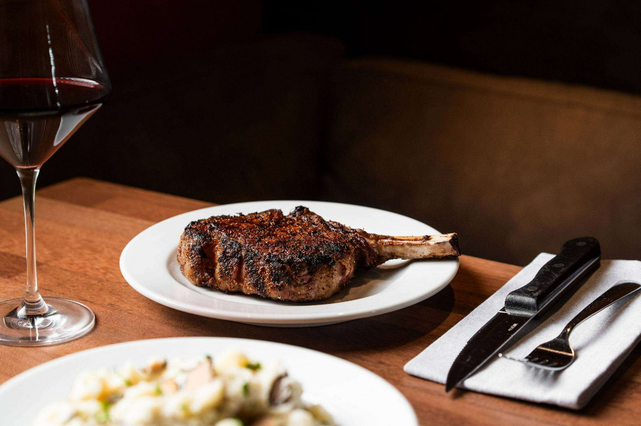
A ribeye commands attention before it even hits a hot pan or grill. Deep marbling threads through the muscle, the cap curls around the edge, and generous thickness promises a rich bite. Still, appearance tells only part of the story. The best ribeyes combine anatomy, genetics, aging, craftsmanship, and careful cooking to create balance from the first slice to the last. Check out the anatomy of an unforgettable ribeye steak so you can pick the best one at the store or butcher.
The Ribeye Eye
The center of the ribeye contains the longissimus dorsi. Steak lovers often call this muscle the eye. This large muscle gives the steak its familiar shape and contributes much of its tender, meaty character. Fine marbling throughout the eye melts during cooking, carrying flavor across the palate.
A strong ribeye eye should look full and evenly developed. It should also show marbling throughout the muscle, not just along the edges. Thin streaks of intramuscular fat create a smoother eating experience than a few isolated pockets. Those streaks soften as the steak cooks, helping each bite stay succulent.
The Coveted Cap
The spinalis dorsi forms the ribeye cap along the outer edge. Many steak enthusiasts consider the cap the most luxurious part of the cut. It carries abundant marbling, a loose grain, and remarkable tenderness.
The cap develops a deep crust quickly because its irregular surface creates more contact points with heat. Inside, the fat renders into the muscle and produces a rich, buttery texture. The crisp exterior and tender center give the cap a dramatic presence in every bite.
Cap size varies depending on where a butcher portions the steak along the rib section.
- Ribeyes closer to the chuck end often have a larger cap and greater internal complexity.
- Ribeyes closer to the loin end usually have a larger, more uniform eye.
Your preferred balance of richness and consistency should guide your choice.
The Supporting Muscles
Smaller muscles around the eye add character to the steak. The complexus appears more prominently near the chuck end and contributes another tender, flavorful section. Seams of fat separate these muscles and help create the ribeye’s varied texture.
Those natural seams also affect how the steak cooks. Fat between muscles renders differently than marbling within a muscle. Intramuscular fat bastes the meat from within, while seam fat enriches the edges between sections. A patient cooking approach gives both types enough time to render without pushing the center past your preferred doneness.
Marbling With Purpose
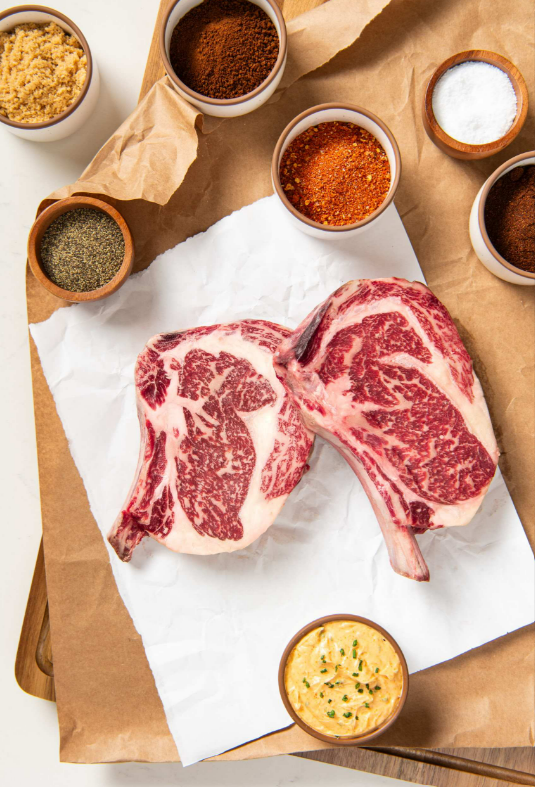
Marbling drives much of the ribeye experience, but quantity alone doesn’t tell the full story. Distribution is equally important. Fine, even marbling delivers consistent richness, while large clumps can leave some bites lean and others overly fatty.
Genetics strongly influence marbling potential. Careful breeding programs help producers develop cattle that consistently deliver the structure, fat distribution, and eating quality customers expect in premium Angus beef. The Linz Shop draws on that level of control from conception through processing, supporting reliable quality across every order.
Marbling also affects how heat moves through a steak. As fat renders, it moderates texture and adds moisture. A thick, well-marbled ribeye can withstand intense surface heat while maintaining a juicy interior when the cook manages timing and temperature precisely.
Bone and Presentation
Bone-in ribeyes offer visual drama and a traditional steakhouse presence. Tomahawk ribeyes extend that presentation with a long, frenched rib bone that turns the cut into a centerpiece. The extra bone doesn’t transform the central muscle structure, but it changes handling, cooking time, and serving style.
A long bone can make pan cooking awkward, so many home chefs use a grill, oven, or combination method. The steak’s thickness also demands more control. Gentle heat can warm the interior first, while a final sear builds the crust and gives the cook a wider window for achieving an even center.
Aging and Flavor
Aging allows natural enzymes to improve tenderness and deepen flavor. Wet aging keeps the beef in a sealed environment, which limits moisture loss and preserves a clean, familiar beef profile. Dry aging exposes the beef to a carefully controlled environment, where moisture leaves the muscle and flavor becomes more concentrated.
Dry-aged ribeye can develop nutty, woodsy, and earthy notes that add complexity without masking the beef’s identity. Time, temperature, airflow, and craftsmanship all shape the final result. Skilled butchers also trim the dried exterior before portioning.
Thickness and Control
Thickness changes nearly every part of the cooking process. A thin steak can move from rare to well-done in a short window, which leaves little room for adjustment. A thick ribeye gives you more control over the interior while you build a deeply browned crust.
For a substantial ribeye, many cooks use a two-stage method. You can start with lower heat in an oven or on a cooler section of the grill, then finish over high heat. You can also sear first, then finish gently. Both methods work if you monitor internal temperature and account for carryover cooking.
Seasoning With Restraint
Premium ribeye needs confident seasoning, not a complicated disguise. Salt supports the beef’s natural flavor and helps create a better crust. Black pepper can add warmth, though some cooks apply it after searing to avoid scorching over intense heat.
A light coating of olive or avocado oil can promote even contact and browning. The steak’s own fat will add plenty of richness as it renders. Heavy marinades and elaborate coatings can compete with the qualities that make premium ribeye worth choosing.
Salting well in advance gives the seasoning time to move into the meat and dries the surface for browning. Salting immediately before cooking also works. Avoid the awkward middle window, which can draw moisture to the surface before the heat evaporates it.
Resting and Slicing
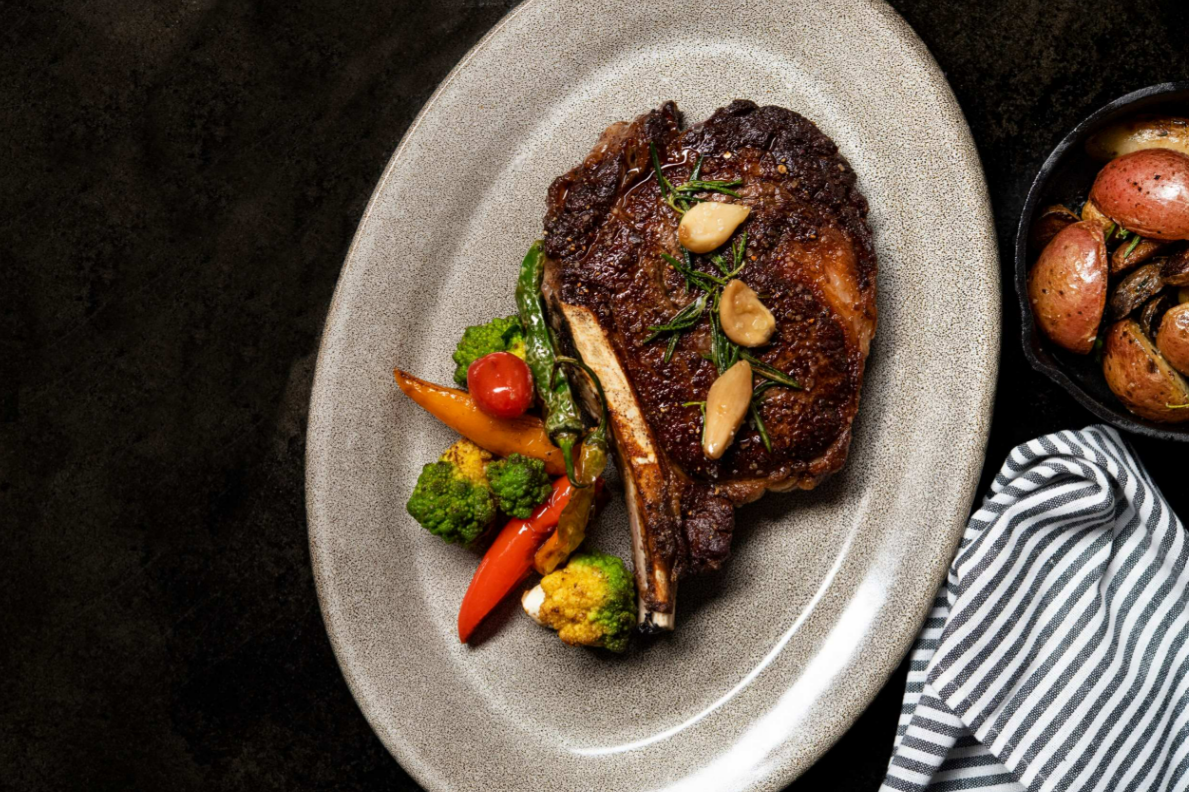
Resting helps the temperature settle after cooking and gives surface heat time to move inward. A thick ribeye needs a longer rest than a thin steak, but an excessive rest can cool the fat and dull the texture. Aim for a practical rest that keeps the steak warm.
When you slice, follow the direction of the muscle fibers and cut across the grain whenever possible. The ribeye’s multiple muscles run in different directions, so rotate sections as needed. A sharp knife will preserve the crust and produce clean slices without tearing the tender meat.
Serve the cap, eye, and supporting muscles together so every plate captures the full character of the steak. That contrast turns a good ribeye into a memorable one.
A Steak Worth Remembering
As you can see, the anatomy of an unforgettable ribeye doesn’t rely on one feature. The eye provides structure, the cap delivers richness, the smaller muscles create contrast, and the marbling ties every section together. Aging adds depth, thickness creates cooking flexibility, and restrained seasoning keeps the focus on the beef.
The finest results start before the steak reaches your kitchen. Thoughtful genetics, careful ranching, precise aging, and expert cutting all shape what happens over the fire. When you begin with a premium ribeye from The Linz Shop and cook it with attention, every slice reveals the craftsmanship within the cut.