
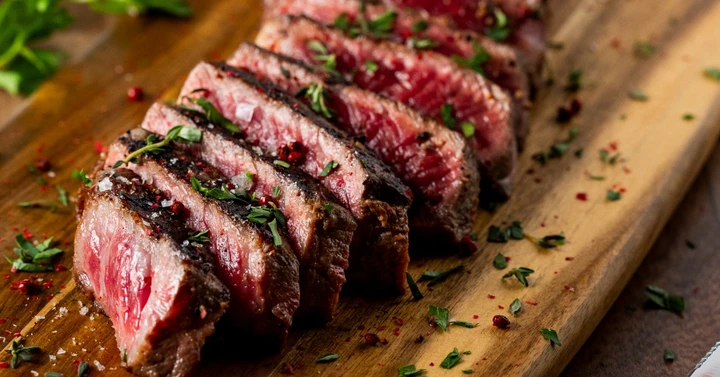
When steak lovers talk about classic cuts, the New York Strip is almost always part of the conversation. It delivers the bold, beefy flavor steak lovers crave, along with a satisfying bite and a fat cap that turns beautifully crisp when cooked properly.
The flip side is that a strip steak doesn’t leave much room for error. Small mistakes in technique can affect the crust and leave the steak less juicy than it should be. Whether you're learning your way around a cast-iron skillet or have spent years working a grill, it’s best to avoid these common mistakes when cooking strip steaks.
Mistake One: Starting With a Cold Steak
One of the most common mistakes happens before you start cooking. When a strip steak goes straight from the refrigerator into a hot pan, the outside starts cooking immediately while the center lags behind. The result is often an overcooked exterior and an underwhelming middle.
Instead, let the steak sit at room temperature for 30 to 45 minutes before cooking. Giving the meat time to warm slightly helps it cook more evenly from edge to center. It’s a simple step, but it can make a surprising difference in the final result.
While some cooks debate how much warming occurs during that short rest, the bigger benefit is consistency. A steak that's been sitting out briefly is easier to cook predictably because the temperature difference between the center and the exterior isn't quite as extreme. That makes it easier to achieve the temperature you're aiming for without sacrificing the crust.
Think of it as setting yourself up for success before the steak reaches the pan. When the meat starts at a more even temperature, every step that follows becomes easier to manage.
Mistake Two: Overlooking Surface Moisture
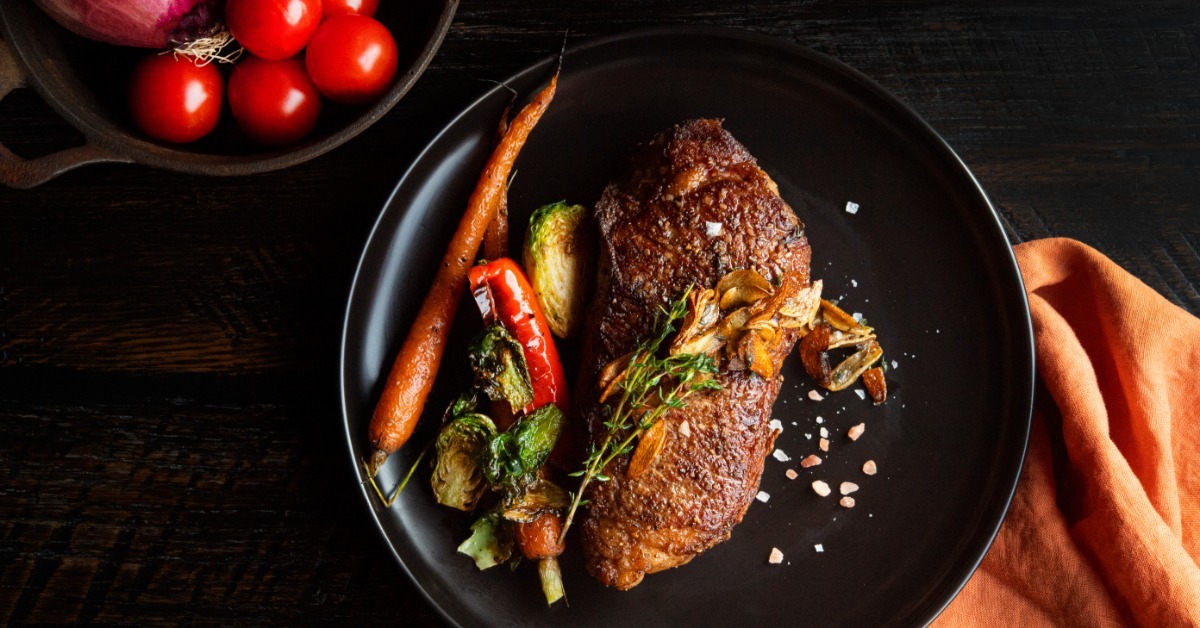
A great crust starts with a dry surface. If moisture is sitting on the outside of the steak, the heat must evaporate that water before browning can begin. That extra moisture works against the deep, flavorful sear most people desire.
Before seasoning, pat the steak dry with paper towels. This simple step encourages better browning and helps the seasoning adhere more evenly. For even better results, season the steak generously with kosher salt and leave it uncovered in the refrigerator overnight. This dry brining process allows the salt to penetrate the meat while helping the surface dry out, setting the stage for a better crust.
A dry surface also creates better texture. The contrast between a deeply browned crust and a juicy interior is one of the things that makes a steak memorable. When excess moisture remains on the surface, that contrast never fully develops. Instead of a crisp, flavorful exterior, you end up with a softer finish that lacks the same depth and character.
Mistake Three: Cooking in a Pan That Isn't Hot Enough
Few things are more disappointing than pulling a steak from the pan and seeing a gray surface where a deep brown crust should be. In most cases, the pan simply wasn’t hot enough.
A properly preheated pan gives the steak the intense surface heat it needs for the Maillard reaction, the browning process that happens when high heat reacts with the proteins and natural sugars on the meat’s surface. That reaction is what creates the deep color and savory, concentrated beef flavor people expect from a well-seared strip steak.
Cast iron and carbon steel are both excellent choices because they hold heat well. Once the pan is properly heated, add a small amount of avocado oil or olive oil. When the oil starts to shimmer, the steak is ready to go in. When the meat hits the pan, you should hear an immediate, confident sizzle.
That sound tells you the surface is hot enough to start building a real crust. If the sound is weak or delayed, the pan likely needs more time to warm up. A properly heated cooking surface does much of the heavy lifting in terms of flavor complexity.
Once the steak is in the pan, resist the urge to constantly move it around. Letting the meat remain in contact with the hot surface allows that crust to develop properly. Moving it too soon interrupts the browning process, leaving you with uneven color and texture.
The goal isn’t simply appearance. A well-developed crust creates layers of savory flavor while adding a satisfying texture to every bite. It is one of the defining characteristics of a great steak and one of the easiest things to miss when the heat isn't high enough.
Mistake Four: Letting Prime Strip Steaks Cook Too Long
Prime strip steaks are known for their marbling, which helps create the tenderness and rich flavor people expect from a high-quality cut. Cook them past medium, and you risk losing the tenderness that makes the cut so rewarding.
As the internal temperature climbs, the meat tightens and loses more moisture. Instead of a juicy, tender steak with a rich bite, you end up with one that feels firmer and drier than it should. Careful temperature control helps preserve the tenderness and rich flavor already built into the cut.
For reference, here are the most common temperature ranges:
- Rare: 120 to 125°F, very red center with a soft texture
- Medium-rare: 130 to 135°F, warm red center with excellent tenderness
- Medium: 140 to 145°F, pink center with a firmer bite
- Medium-well: 150 to 155°F, mostly gray with limited juiciness
- Well-done: 160°F and above, fully cooked throughout and noticeably drier
For many cooks, medium-rare is the ideal target for a strip steak. It keeps the steak tender while giving the marbling enough heat to deliver its full flavor. An instant-read thermometer is the easiest way to hit that range consistently without relying on guesswork.
Remember that the steak will keep cooking after it leaves the heat. This is called carryover cooking, and it can raise the internal temperature by several degrees while the steak rests. Pulling the steak just before it reaches your final target helps prevent overcooking and gives you a better chance at achieving your preferred temperature.
Mistake Five: Cutting Into the Steak Right Away
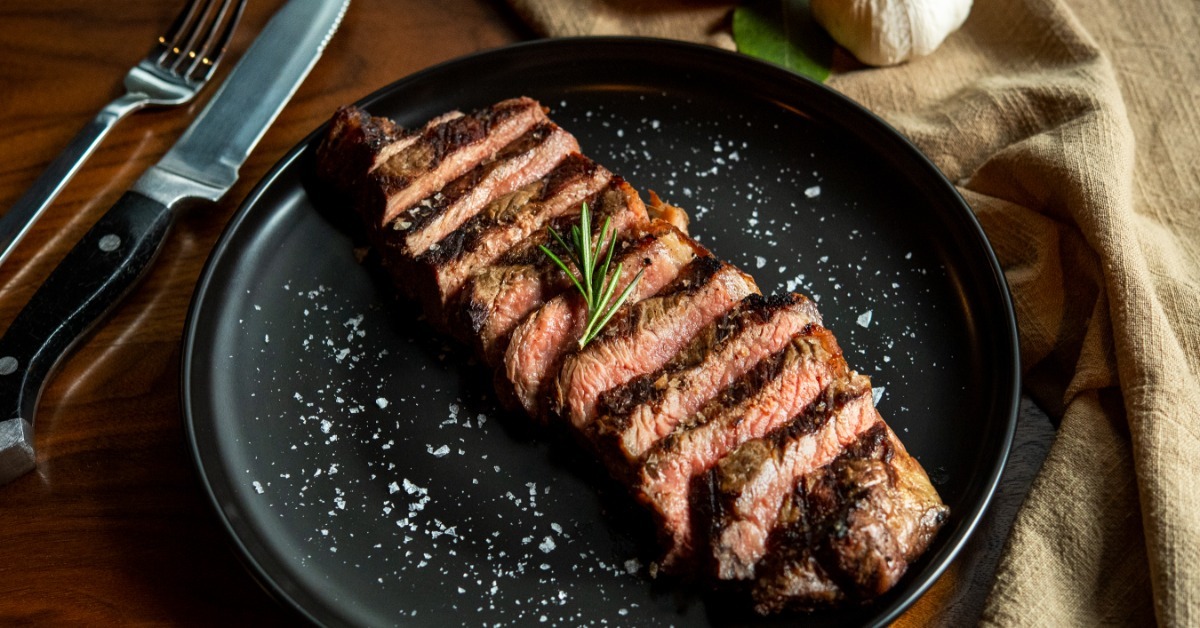
Once the steak comes off the heat, the temptation to dig in can be hard to resist. But if you cut into it too soon, those flavorful juices run onto the cutting board instead of staying in the meat.
Allow the steak to rest for five to eight minutes before slicing. During that time, the muscle fibers relax, and the juices redistribute more evenly throughout the steak. If you'd like to keep it warm, loosely tent it with foil. Just avoid sealing it tightly, which can soften the crust you worked so hard to create.
Resting is often treated as an afterthought because the cooking is technically finished. In reality, it's the final step that helps preserve everything you've worked for. Even a perfectly cooked steak can seem less juicy if it's sliced too soon. A few extra minutes of patience can dramatically improve the steak’s tenderness and juiciness, as well as intensify its flavor.
The good news is that this step requires no special equipment, no extra ingredients, and very little effort. You simply need to let the steak rest before serving.
Get the Most Out of Every Strip Steak
Great steakhouse meals are rarely the result of secret ingredients or complicated techniques. More often, they come from simple fundamentals done with care. Careful cooking and proper rest allow the beef's quality to come through in every bite.
That is the real value of knowing the mistakes to avoid when cooking strip steaks. Each step helps preserve what makes the cut so rewarding in the first place. Start with a well-raised, expertly butchered strip steak from The Linz Shop, and all that care leads to the result you want most: a steak that tastes as exceptional as it should.