

Dry-aged steak carries an air of mystery that keeps even experienced home cooks second-guessing themselves. Some people avoid it entirely because they've heard it's unsafe, overvalued, or far too complicated to cook well. Others enjoy it at top steakhouses but never consider trying it at home.
If you've felt uncertain about the dry-aging process, you're not alone. Let’s debunk some common myths and misconceptions about dry-aged steak, so you can shop and cook without worry or fear. Uncover the real story behind one of the finest beef experiences available today.
Myth 1: Dry-Aged Steak Is Unsafe to Eat
The dark, crusty exterior of a dry-aged cut often stops people in their tracks. That outer layer, called the pellicle, forms as moisture evaporates from the beef's surface during aging. Butchers always trim this layer before the steak reaches you, so the meat you receive is clean, fresh-tasting, and completely safe.
Dry-aging takes place in a controlled environment where temperature, humidity, and airflow are constantly monitored. The process encourages natural enzymes in beef to break down muscle fibers, tenderizing the meat and concentrating its flavor. This is deliberate, precise craftsmanship, not neglect. When a facility follows proper protocols, dry-aged beef presents zero food safety concerns.
Myth 2: Dry Aging Is Just Letting Meat Sit Out
Dry aging may sound simple, but the process requires exact control at every stage. Temperature, humidity, and airflow must stay within a tight range to develop the right balance of flavor and texture. Without that level of control, the final product doesn’t deliver.
The Linz Shop applies that precision throughout the dry-aging process. As the beef ages, moisture loss intensifies its flavor, bringing out subtle nutty, woodsy, and earthy notes. At the same time, enzymes work within the meat to refine its texture. What looks like patience on the surface is actually a highly managed process.
Myth 3: Dry-Aged Steak Is Too Extravagant for Home Cooking
Dry-aged steak often gets labeled as something you can only enjoy at a fancy steakhouse, but that sells home cooks short. If you’ve invested in good kitchen tools and love creating memorable meals at home, dry-aged beef absolutely belongs on your table. This is the kind of cut that lets a passionate cook truly shine.
Dry-aged steak offers something truly special for those who appreciate quality. The careful process behind each cut brings out unique, bold flavors and a tenderness that turns an ordinary meal into an experience. When you choose dry-aged beef, you're getting the benefit of skilled craftsmanship and a depth of flavor that stands out every time you cook.
The rich, nutty flavors that develop during the aging process are simply unmatched by regular beef. Even a straightforward recipe becomes special when you use dry-aged steak. For home cooks who love bringing something unique to the table, dry-aged steak is a worthwhile choice, not an over-the-top one.
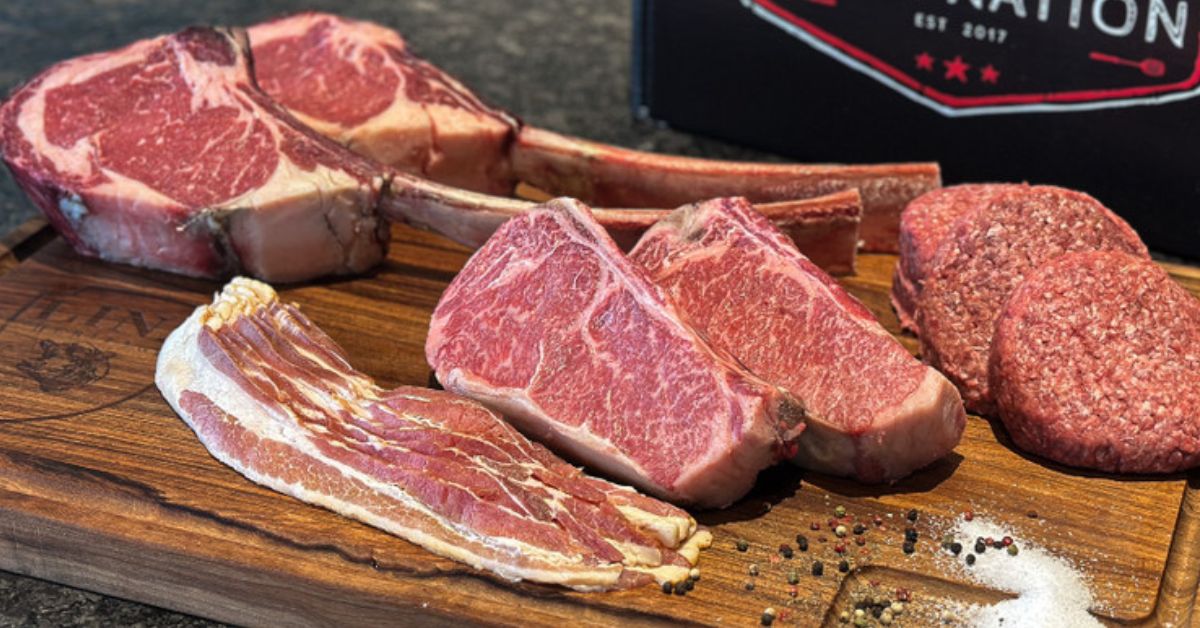
Misconception 1: Dry-Aged Steak Requires Special Cooking Techniques
This idea keeps many home cooks from trying dry-aged beef, but it doesn’t hold up. You can cook a dry-aged steak the same way you would any premium cut. A cast-iron skillet with a strong sear, followed by a finish in the oven, produces consistent results. The reverse-sear method also works well, giving you more control over the final temperature before building a crust at high heat.
The main adjustment is your seasoning. Dry-aged beef already delivers a concentrated flavor, so you don’t need to overwork it. Salt and freshly cracked pepper highlight the steak’s natural character, while a butter baste adds richness at the end. Focus on temperature control and proper resting, since they determine how evenly the steak cooks and how well it holds its juices.
Misconception 2: All Dry-Aged Steak Tastes the Same
Some people expect every dry-aged steak to deliver the same flavor, but that assumption overlooks several key factors. Dry aging does create a recognizable profile, often described as nutty, woodsy, and earthy, yet the starting point of the beef plays an important role.
Genetics, feeding programs, and handling all influence how the steak ages. A well-bred Angus program, for example, provides the structure and marbling needed to achieve a more refined outcome. As the beef ages, those foundational qualities become more pronounced rather than replaced.
The aging environment also contributes to the final result. Small differences in airflow, humidity, and time can shift how flavor and texture evolve. That’s why consistency depends on control at every stage, not just the length of the aging period.
The Linz Shop maintains that control through its vertically integrated program, managing each step from genetics through processing. This approach creates a more consistent experience while allowing the beef's natural character to come through. The flavor becomes more developed, without losing the cut’s defining characteristics.
Misconception 3: Dry-Aging and Wet-Aging Are Similar Processes
Both methods aim to enhance tenderness, but the processes and outcomes differ in meaningful ways. Wet aging places beef in a vacuum-sealed bag and stores it under refrigeration. The meat remains in its own juices, which limits moisture loss and supports a more straightforward aging process. This approach highlights the beef's natural flavor while maintaining a softer, more familiar texture.
Dry aging introduces air and time into the equation. Beef rests in a carefully controlled space where airflow, temperature, and humidity stay consistent. As moisture gradually leaves the meat, flavor compounds become more concentrated, creating a deeper, more developed profile with nutty and woodsy notes. The texture also becomes slightly firmer, giving each bite more structure. Set a dry-aged Ribeye next to a wet-aged one, and the contrast becomes easy to recognize.
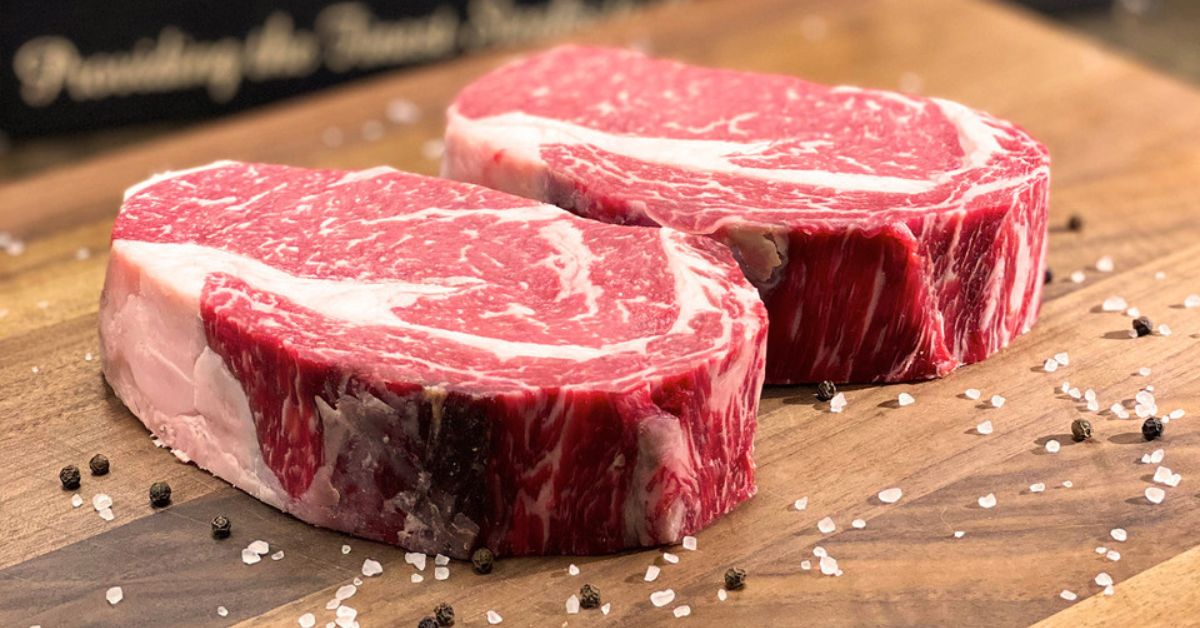
Bringing Clarity to Dry-Aged Steak
Once you get past the noise, dry-aged steak starts to feel familiar and manageable. The process is built on quality, precision, and consistency, one that’s perfectly suited for experienced home cooks. This guide uncovers the common myths and misconceptions about dry-aged steak and shows how much control you have when you start with the right ingredients.
The Linz Shop supports that experience at every stage, from raising Angus cattle to delivering finished cuts. When you’re ready to take that step, shop dry-aged beef online and bring a higher standard to your table.