
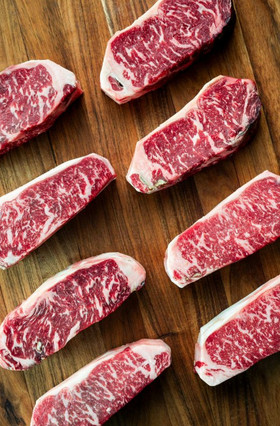
Dry aging rewards patience. As beef rests in a carefully controlled environment, natural enzymes soften muscle fibers while moisture slowly evaporates from the meat. These changes reshape both texture and flavor, but they don’t happen all at once.
Each stretch of the timeline brings a different experience to the table. Early days focus more on tenderness, while longer aging develops deeper roasted, nutty, woodsy, and earthy notes. Understanding that progression helps you choose dry-aged steaks that match the flavor profile you want before the steak ever reaches the pan or grill. Continue reading to explore the dry-aged beef timeline and how time brings flavor to every stage.
What Dry Aging Changes
Dry aging relies on time, airflow, temperature, and humidity working together in a carefully controlled environment. Natural enzymes break down proteins in the beef, creating a more tender bite. At the same time, moisture loss concentrates the beef’s existing flavor.
The exterior also dries as the process continues. Skilled butchers trim the dried surface before portioning the beef, leaving the richly flavored interior intact. The process requires careful control because each day influences texture, moisture, and flavor intensity.
Aging time gives shoppers a useful reference point, but it doesn’t produce identical results across cuts. Cut size, fat content, and aging conditions all shape the pace of development. A well-marbled ribeye can express a long aging period differently than a leaner cut.
Days 1 Through 7
During the first week, tenderness begins to change before the dry-aged flavor becomes the main event. Natural enzymes start breaking down structural proteins, so the beef moves toward a softer texture. Moisture loss also begins, but the flavor remains close to the fresh-beef profile.
Most diners won't experience pronounced dry-aged character at this stage. The beef can begin to taste more concentrated than a fresh cut, but the hallmark nutty and earthy notes usually need more time to develop. Think of the first week as the foundation for what comes next.
Days 8 Through 14
By the second week, texture changes become easier to notice. The beef continues to tenderize, and moisture loss concentrates the natural beef flavor. Richness starts to build, but the flavor still leans familiar rather than dramatically aged.
For diners who value tenderness and a beef-forward character, this stage offers an approachable step toward longer aging. The steak retains much of the clean flavor people associate with premium fresh beef. Dry-aged complexity begins to emerge, though it remains subtle.
Around 21 Days
At roughly three weeks, dry-aged flavor becomes more pronounced. Many steak lovers begin to notice gentle roasted or nutty notes alongside a deeper beef flavor. The texture also feels more yielding because enzymatic activity has had more time to work.
When shoppers compare dry-aged steaks, this point often serves as an accessible introduction to the style. The flavor stands out without straying too far from the familiar profile of a high-quality steak, making this aging point approachable for first-time dry-aged steak buyers. Diners who want balance often find this range especially appealing.
Around 30 Days
A month of aging deepens flavor. Nutty notes become easier to identify, and the beef develops greater savory depth. Moisture concentration gives each bite a fuller, denser impression without altering the beef's essential identity.
Texture remains a major part of the experience. A properly aged steak at this stage can feel tender yet still deliver the satisfying structure steak lovers expect. For many diners, the 30-day range strikes a useful middle ground between classic steak flavor and a more distinctive dry-aged character.
Around 45 Days
By about 45 days, dry aging becomes more pronounced. Nutty flavor can deepen, while woodsy and earthy notes become more noticeable. The beef also carries a concentrated richness that clearly sets it apart from steaks with shorter aging times.
This stage suits diners who already enjoy dry-aged beef and want more complexity. The flavor no longer sits quietly in the background. It becomes part of the reason to choose the steak in the first place.
Fat plays an especially important role here. Marbling carries flavor across the palate and supports the rich character developed through longer aging. Cuts such as ribeye often make a natural showcase for this stage because their intramuscular fat complements the concentrated beef flavor.
Around 60 Days and Beyond
Longer aging creates a bolder experience. Around 60 days, nutty, woodsy, and earthy qualities can come to the fore, while the underlying beef flavor becomes more concentrated. Diners who enjoy a bold dry-aged flavor profile often look toward this point on the timeline.
Beyond 60 days, flavor can continue to intensify, but longer doesn’t automatically mean better for every palate. Some steak lovers prefer the balance of 30 or 45 days, while others want the deeper character that comes with extended aging. Personal preference should guide the choice.
Long aging also requires careful craftsmanship. The team managing the aging environment must consistently control temperature, humidity, and airflow while monitoring each piece of beef. Time alone can’t produce a great result without disciplined handling.
Choosing Your Aging Point
The best aging stage depends on the flavor and texture you want from your steak. If you want dry-aged character to remain subtle, look toward the earlier part of the timeline. If you want nutty richness with a stronger woodsy or earthy edge, a longer aging period may suit your palate better.
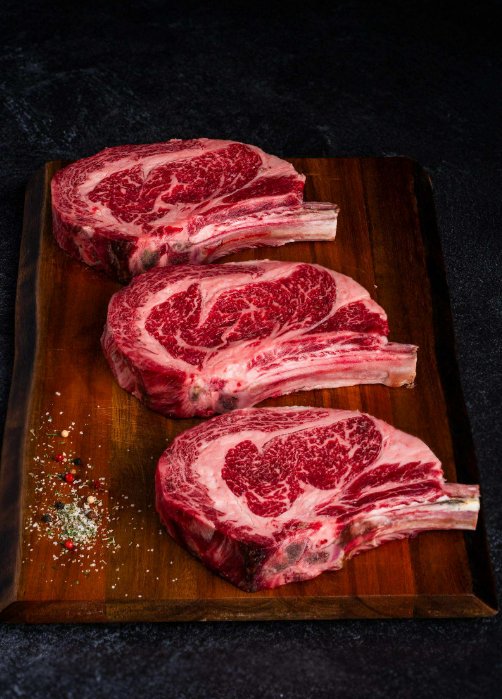
Consider the cut as well as the number of aging days. Ribeyes have generous marbling that pairs naturally with long aging, while other cuts may present flavor differently. The right choice aligns aging time, cut, and personal taste.
The Linz Shop gives experienced home cooks a chance to explore premium beef with the same care they bring to cookware, knives, and technique. When you already know how to cook a great steak, learning the dry-aging timeline adds another layer of control over the final result.
Cooking Dry-Aged Beef
Dry-aged beef doesn’t require complicated treatment. Start with proper seasoning, then choose a cooking method that delivers the crust and internal temperature you prefer. A hot cast-iron pan or grill can develop a strong crust while keeping the interior at your desired doneness.
Because dry-aged beef has less surface moisture than fresh beef, it browns more efficiently. Watch the steak closely and rely on temperature, not a fixed cooking time, to judge doneness. Let the cut rest after cooking so the juices settle before slicing.
Keep the focus on the beef. Salt, pepper, and careful heat let the steak showcase the flavor developed through aging. Premium dry-aged beef already brings plenty of character to the plate.
Time You Can Taste
The dry aging timeline turns time into flavor for steaks. The first days build tenderness, the middle stages bring a clearer, nutty richness, and longer aging adds more woodsy and earthy depth. No single point on the timeline suits every steak lover, which makes exploring different ages part of the appeal.
Start with the flavor profile you already enjoy, then move deeper into the timeline as your palate develops. A balanced 21- or 30-day steak can introduce the style, while 45 days or longer can deliver a bolder experience. With premium beef and disciplined craftsmanship, each stage offers a distinct way to appreciate what time can do.