
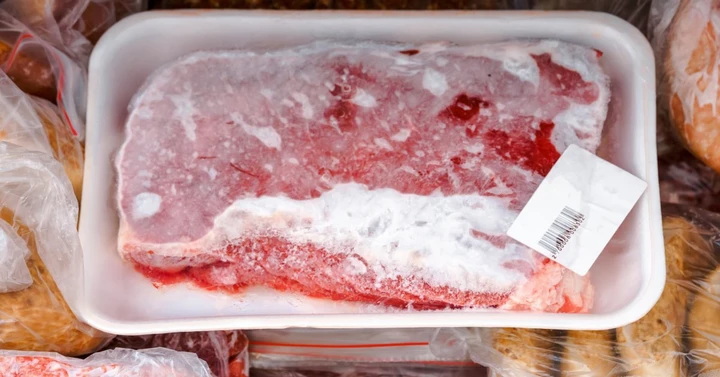
You invested in the good stuff and decided to order steaks online from a premier purveyor like The Linz Shop. Once those steaks arrive, the way you store and handle them can have a major impact on flavor and texture.
Proper meat storage helps ensure freshness and taste, and every serious home cook benefits from understanding why. Getting it right separates a great meal from a forgettable one. The good news is that the process is straightforward once you know what to focus on.
Temperature Is the Foundation of Freshness
Premium beef is sensitive to its environment. Temperature plays a major role in everything from texture and flavor to how well a cut maintains its quality from delivery day to dinner. Even a beautifully marbled strip loin can start to lose its texture and freshness if it sits at the wrong temperature for too long.
For the best results, store beef between 28°F and 32°F whenever possible. Most home refrigerators sit between 35°F and 38°F, which is still acceptable, especially if you place your steaks on the lowest shelf.
Since cold air naturally settles at the bottom of the fridge, that area tends to stay colder and more consistent than the upper shelves or door compartments. Keep beef away from the refrigerator door, where frequent opening and closing can cause temperature swings that shorten its shelf life.
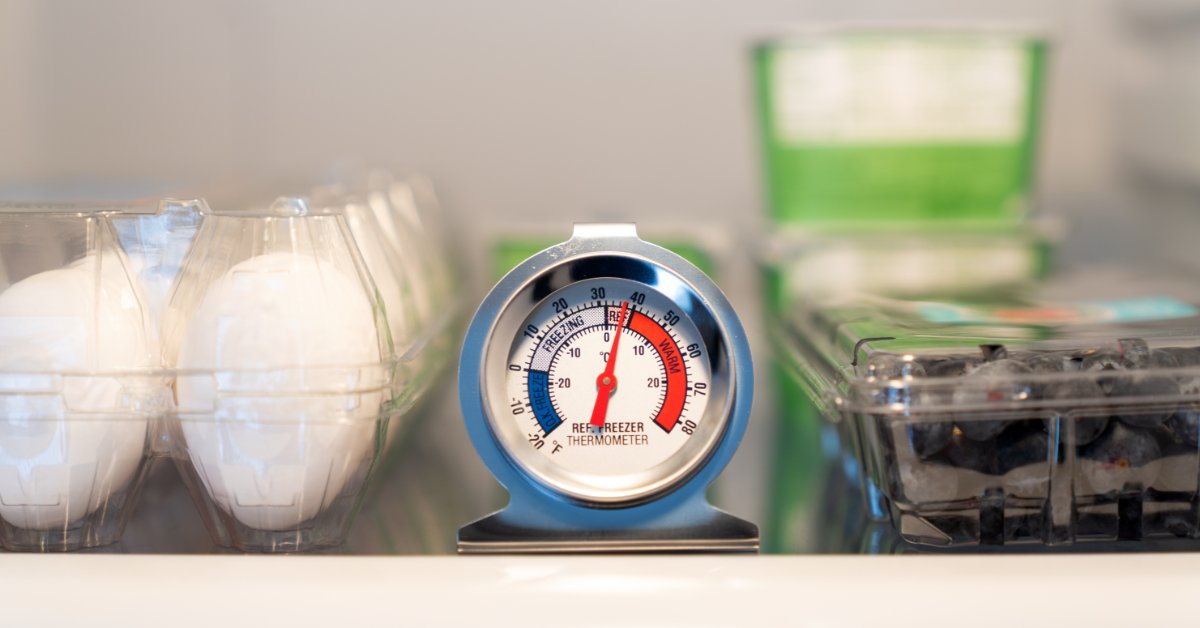
Keep a reliable thermometer inside your refrigerator to confirm the actual temperature, not just what the dial reads. Refrigerators drift, so knowing the true temperature inside your fridge helps you store high-quality beef properly.
The Coldest Zone in Your Refrigerator
Temperature varies more across the interior of a refrigerator than most home cooks realize. The back of the bottom shelf consistently delivers the coldest readings, so store your beef there, away from lighter produce and dairy.
If your refrigerator includes a dedicated meat drawer, use it. Manufacturers design those drawers to maintain slightly colder temperatures than the main cavity, and that distinction matters when you store premium cuts.
Proper Wrapping Protects Flavor and Texture
How you wrap your beef is just as important as where you store it. Exposure to oxygen leads to oxidation, which can turn beef gray and dull its flavor. A steak wrapped snugly in butcher paper or vacuum-sealed will keep its color and flavor much longer than one left in thin grocery store packaging.
When your favorite cuts arrive vacuum-sealed, keep them in that packaging until you're ready to cook. The vacuum packaging extends shelf life and protects the cut’s texture. If you need to rewrap, press out as much air as possible before sealing and move the steak to the coldest part of your refrigerator right away.
Vacuum Sealing at Home
A home vacuum sealer is one of the best tools a serious home cook can have. If you’re buying in bulk or receiving a shipment of top-quality cuts, vacuum-sealing each steak before freezing gives you total control over both freshness and portion size. Just label each package with the cut and the date before it goes in the freezer. That simple step takes the guesswork out later and ensures you use older cuts first.
When vacuum-sealed and stored at 0°F, beef holds its peak quality for up to a year. So, you can stock your freezer with your go-to favorites and grab exactly what you need, without worrying about freezer burn ruining the meal.
While freezer burn doesn’t make the beef unsafe, it dries out the exterior and dulls the flavor, defeating the whole purpose of buying high-quality beef.
Here is what proper freezing looks like for premium cuts:
- Wrap individual steaks tightly in plastic wrap first, eliminating all air pockets before adding a second layer.
- Follow with a layer of aluminum foil or freezer paper to create an additional barrier against air exposure.
- Place the wrapped cuts in a zip-top freezer bag, press out the remaining air, and seal the bag.
- Store flat at 0°F or below for the best possible shelf life.
- Label clearly with the cut name and freeze date before placing anything in the freezer.
- Plan to use frozen cuts within 6 to 12 months for the best quality.
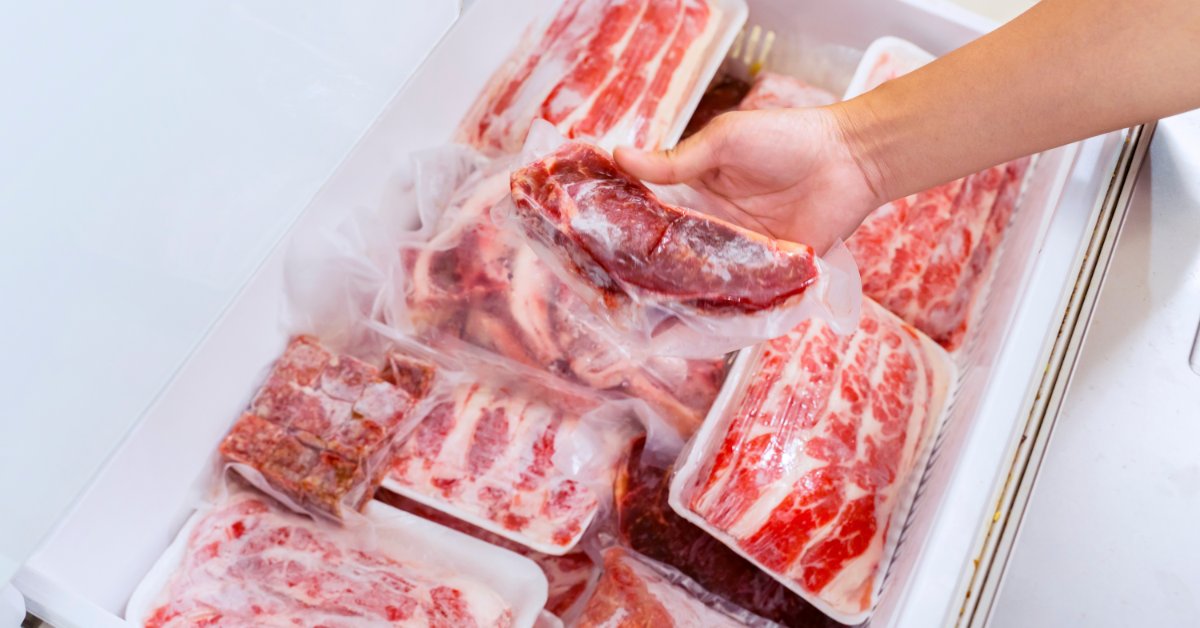
Thawing is just as important as freezing. The best method is to move your steak from the freezer to the refrigerator about 24 - 48 hours before cooking. Proper thawing is essential to preserving the steak’s quality and texture, allowing the muscle fibers to relax and resulting in a better final product.
Avoid thawing on the counter at room temperature. It may be faster, but it puts the outer part of the steak in unsafe temperatures while the center stays frozen. If you’re in a hurry, thawing a sealed steak in cold water works, but the fridge remains the best approach for any premium cut.
Store It Right, Taste the Difference
When you order steaks online, you’re treating yourself to something special, and great beef deserves great care from the moment it arrives at your door until it sizzles in your pan. Knowing how to store meat properly to ensure freshness and taste lets you enjoy every bite at its best.
Whether you’re keeping your steaks in the fridge for a few days or freezing them for later, the most important thing is to keep them cold and well sealed. That way, each cut delivers the flavor and tenderness you crave.
The Linz Shop has spent decades sourcing and delivering top-quality Angus beef to home cooks who love their craft. When you treat your steaks with the same care that went into raising and preparing them, every meal becomes a celebration of flavor.