
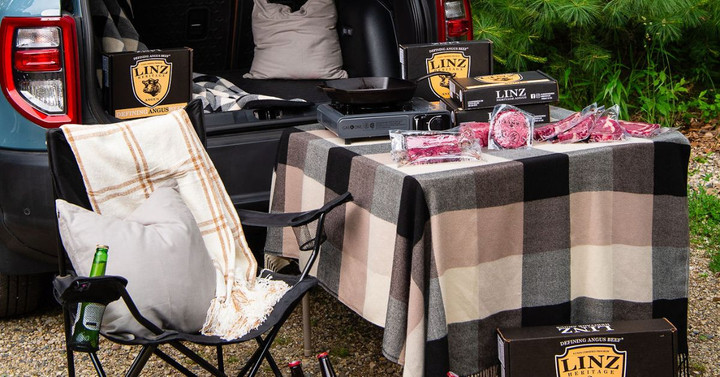
You already know your way around a kitchen. Your pantry holds quality ingredients, your knives stay sharp, and your grill runs clean and hot. So when learning how to cook the perfect strip steaks on your backyard BBQ, the goal isn't to start from scratch.
The goal is to refine what you already do well and push your results from great to exceptional. With the right approach, you'll build a crackling crust over a tender, juicy center that delivers the kind of flavor worth remembering.
Bone-In vs. Boneless: Choosing the Right Strip Steak
Choosing between bone-in and boneless is the first call you'll make, and it's one worth thinking through before you fire up the grill.
Boneless strip steaks offer consistency. The uniform thickness allows even heat penetration across the entire cut, so you can manage the temperature with ease. If you cook for a group and need reliable results across multiple steaks, the boneless option delivers every time. It sears beautifully across its full surface, giving you that deep mahogany crust from edge to edge.
Bone-in strip steaks, often called Kansas City strips, add an extra element to the grilling experience. The bone acts as an insulator during grilling, protecting the meat closest to it from direct heat. This creates a more gradual cook near the bone, which many grillers prefer for a juicier, more protected interior.
The bone also contributes a richer, more complex flavor as the marrow heats through during the cook. If you want a dramatic presentation and a steak that feels like an occasion, the bone-in cut is the one for the job.
Selecting Quality Beef That Performs on the Grill
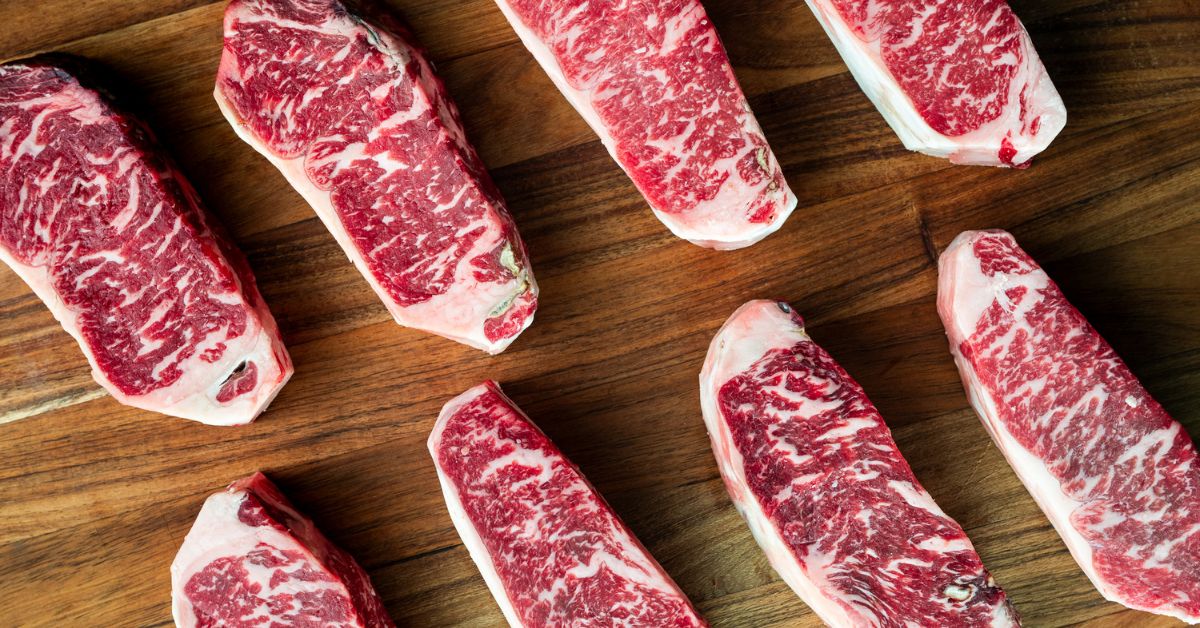
The secret to an unforgettable strip steak is always the quality of the beef itself. Choose steaks with plenty of visible white marbling, those streaks of fat running through the muscle. As the steak cooks, that marbling melts, basting the meat from within and giving every bite its rich flavor and tender texture.
The Linz Shop carries Prime, Reserve, and Choice grades, so you can select the level of marbling that fits your preference and the occasion. No matter which grade you pick, you’ll get great results if you give your steak the attention it deserves on the grill. Just make sure your steak is at least 1.25 inches thick. Thinner cuts can quickly overcook before you get that golden crust you want.
Preparing Your Steak Before It Hits the Grates
Preparation separates a good steak from a great one, and the process starts long before your grill ignites.
Pull your steaks from the refrigerator at least 45 minutes before cooking. A cold steak landing on a hot grate creates uneven cooking from the outside in. Bringing the meat closer to room temperature allows for a more consistent cook throughout.
Season generously with kosher salt on both sides, followed by coarse black pepper. Apply the salt at least 40 minutes before cooking, or up to 24 hours ahead if you prefer a dry-brine method. The salt draws out a small amount of surface moisture, which then reabsorbs into the meat along with the seasoning.
This process deepens the flavor and helps form a better crust on the grill. Before the steaks go on the grates, pat them dry with paper towels. Surface moisture creates steam, and steam works directly against the crust you want to build.
Mastering the Grill: Heat Zones and Temperature Targets
A two-zone fire gives you real control over the cook. Set one side of your grill to high, direct heat and leave the other side at lower, indirect heat. This setup lets you sear the steak over high heat and then finish it gently without burning the exterior.
Here's a quick reference for cooking strip steaks on a grill:
- Rare (120–125°F): Sear 2 to 3 minutes per side, then pull and rest immediately.
- Medium-Rare (130–135°F): Sear 3 to 4 minutes per side, verifying with a thermometer.
- Medium (140–145°F): Sear 4 minutes per side; finish on indirect heat if needed.
- Medium-Well (150–155°F): Sear 4 to 5 minutes per side, then move to indirect heat.
- Well Done (160°F+): Start with a sear, then finish low and slow on indirect heat.
Always pull the steak five degrees short of your target. The residual heat inside the meat keeps working even after it leaves the grill. This small step is the difference between a steak that’s perfectly juicy and one that’s slightly overdone.
The Resting Phase: Where the Steak Finishes Itself
Resting your steak after the grill is essential, not optional. Pull the steak and set it on a wire rack over a sheet pan for five to eight minutes, depending on the thickness. The rack keeps the bottom from steaming against a flat surface and preserves the crust you worked to build.
During the rest, the muscle fibers relax, and the juices redistribute throughout the steak. Cut into the meat too soon, and you'll lose a significant portion of those juices onto the cutting board.
For a finishing touch, add a small pat of compound butter, such as one blended with roasted garlic and fresh thyme, to the steak during the final minute on the grill or immediately after pulling it. The butter melts over the hot surface, adding richness without masking the beef's natural character.
Make Every Grill Session Count
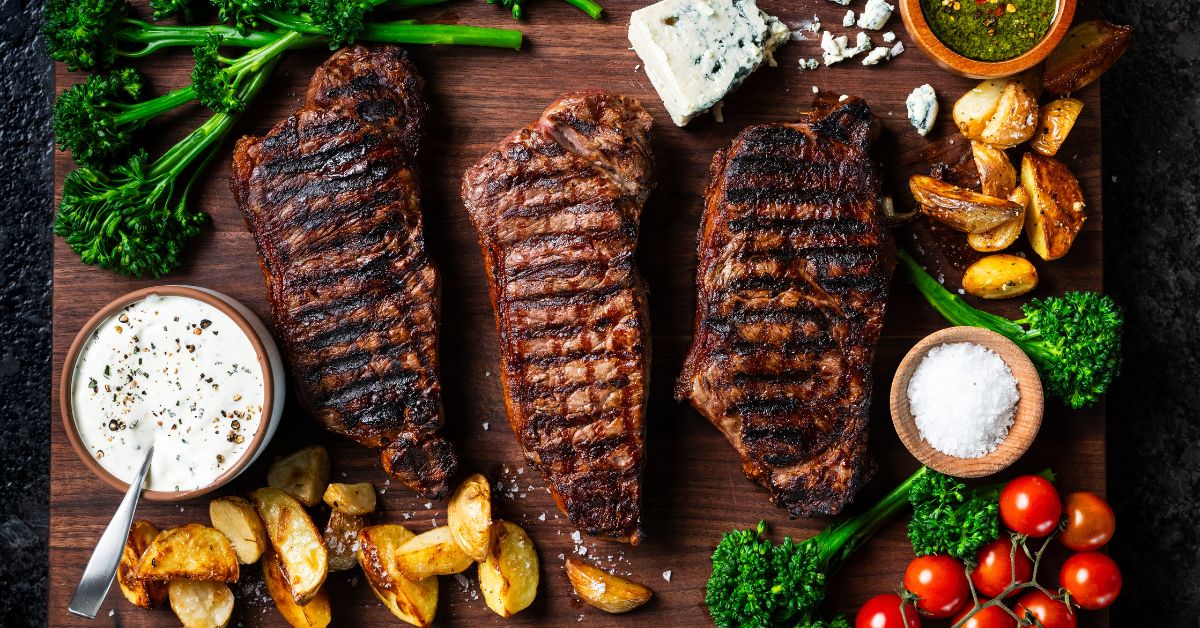
A perfectly grilled Strip Steak is the sum of the small, thoughtful choices you make from start to finish. Whether you go bone-in for bold flavor and dramatic presentation or boneless for control and consistency, each style has its moment to shine. Season with care, manage your heat, and let the steak rest; together, these steps turn a simple piece of beef into something you’ll remember for many days to come.
Check out the premium 100% Angus beef at The Linz Shop. You’ll find steaks that are begging for a hot grill and a little know-how. Search for a New York strip steak for sale, and browse our bone-in Kansas City strips to find the exact cut that inspires your next backyard cook.
With the right beef in hand, learning how to cook the perfect strip steak on your backyard BBQ feels less like a challenge and more like a pleasing ritual. The sound of the steak hitting the grates, the aroma rising up, and that first juicy bite all come together to make grilling a special experience.