
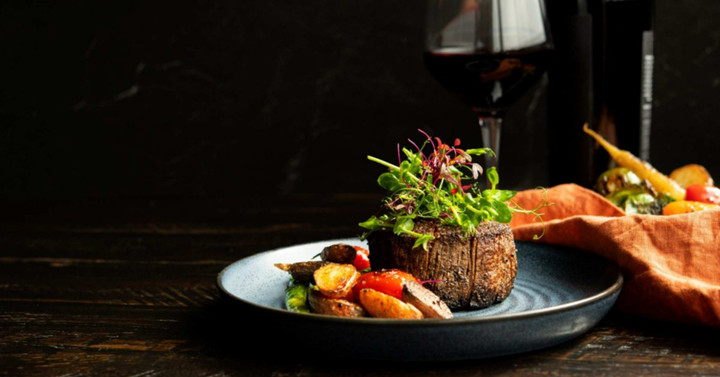
Filet mignon looks simple on the plate, yet the steak cut rewards precision in the kitchen. Its tenderness gives it a refined texture, while its lean profile leaves little room for careless heat or rushed timing. A quality filet doesn’t need complicated preparation. It needs confident seasoning and strong heat. Close attention from the first sear through the final rest does the rest.
Home cooks often chase restaurant results by adding more ingredients or using elaborate techniques. Filet mignon responds better to restraint. When you control surface moisture and pan temperature, you can develop a deep crust without sacrificing the tender center that makes filet distinctive. Continue reading to discover how to get steakhouse results with filet mignon.
Choose the Right Cut
Thickness plays a major role in how filet mignon cooks. A thicker steak gives you more time to develop a crust before the center reaches your preferred doneness. Thin filets cook quickly, so the interior can pass your target temperature while you wait for deeper browning on the outside.
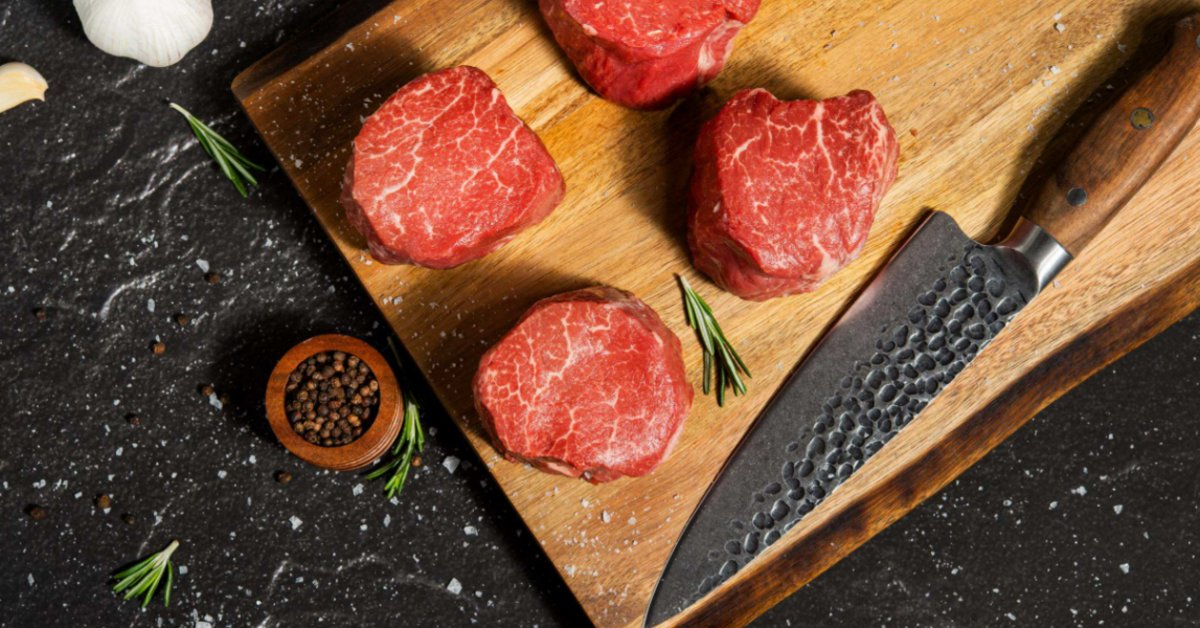
A 10 oz. filet mignon gives you enough size to use a steakhouse-style sear-and-finish approach without turning the process into a race. Still, weight doesn’t tell you everything. Look at thickness as you plan your cooking method because two steaks with the same weight can have different dimensions.
Filet also has less fat running through the muscle than a ribeye. That lean structure creates its signature tenderness and clean beef flavor, but it also means you should watch the temperature closely. A few extra minutes can change the texture more than you expect.
Dry the Surface
Moisture undermines a strong crust. Before seasoning, pat every side of the filet dry with paper towels. Pay attention to the flat surfaces and the rounded edge, as excess moisture can create steam when the steak hits the pan.
A dry surface helps the seasoning stick. If you have extra time, salt the filet in advance and leave it uncovered in the refrigerator. The salt can penetrate the meat while the refrigerator air dries the exterior.
If you season right before cooking, keep it simple. Filet mignon already brings premium beef flavor to the plate. Kosher salt and freshly ground black pepper can enhance that flavor without hiding it.
Use Strong Heat
Steakhouses create memorable crusts by using intense heat. You can achieve a similar effect at home with a heavy cast-iron or stainless-steel skillet. Let the pan heat for several minutes before the steak touches the cooking surface.
Add a small amount of avocado oil when the pan reaches high heat. Lightly coat the cooking surface so the oil doesn’t pool around the steak. Lower the filet into the pan away from your body, then leave it undisturbed long enough for the first side to brown deeply.
Constant movement prevents the surface from developing an even crust. Let the pan do the work. After about two minutes, check the first side. If the steak releases easily and shows rich browning, flip it and sear the second side for another two minutes.
Sear the Edges
Filet mignon has a tall, rounded shape, so the sides deserve attention too. Use tongs to hold the steak upright against the hot pan for about 30 to 60 seconds at a time. Rotate the filet until you brown the outer edge.
This step creates a more complete crust and renders small areas of exterior fat. Avoid piercing the meat with a fork because tongs give you control without puncturing the surface.
Keep an eye on the pan as you work along the edge. If the oil starts smoking heavily or the crust darkens too quickly, reduce the heat slightly. You want deep browning, not a bitter layer of scorched seasoning.
Finish With Controlled Heat
A thick filet often needs more cooking after the sear. Instead of leaving it on aggressive stovetop heat, move the skillet to a 400-degree oven. The oven gives the center time to reach your preferred temperature without burning the crust.
Check the internal temperature after about four minutes. Insert an instant-read thermometer through the side of the filet and aim for the center. Side entry makes it easier to reach the coolest part of a thick steak.
From that point on, check every one to two minutes. Don’t rely on a fixed cooking time because thickness and starting temperature can affect the pace. Use the thermometer as your primary signal.
Know Your Target
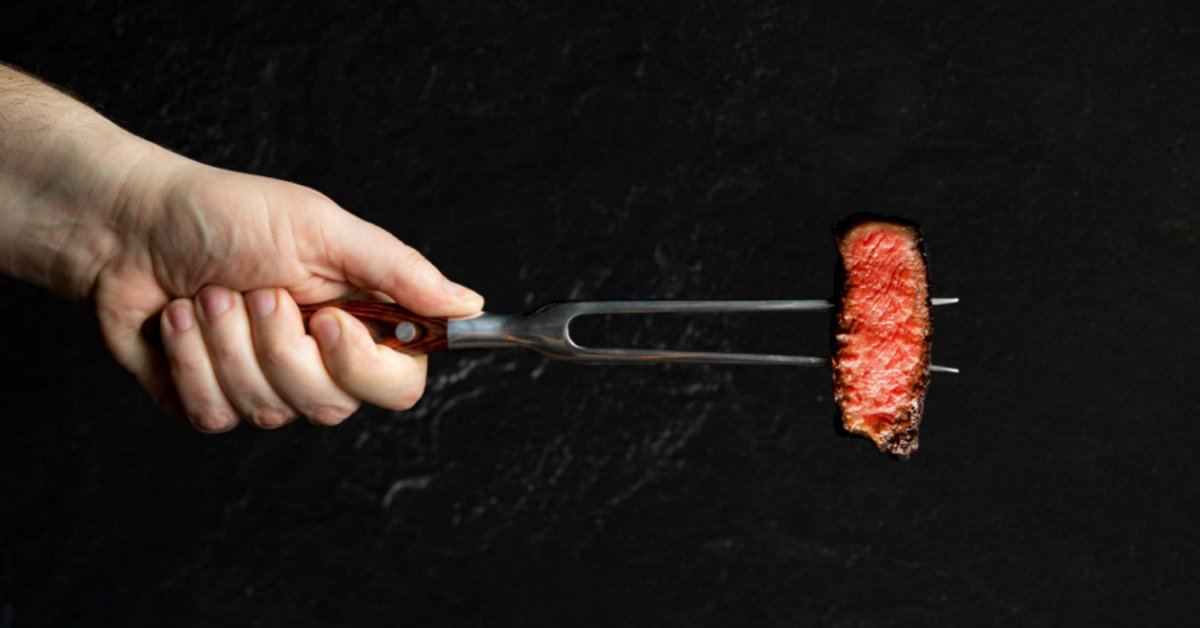
Choose your preferred doneness before you start cooking. For a classic medium-rare filet, many cooks aim for 130 to 135 degrees Fahrenheit. Medium usually falls between 140 and 145 degrees Fahrenheit.
Account for carryover cooking. The center can rise several degrees after the steak leaves the oven, especially when you cook a thick filet. Pull the steak a few degrees before your final target to avoid overshooting the texture you want.
Don’t judge doneness by color alone because the center can look different from one steak to another. A dependable instant-read thermometer gives you a clearer way to repeat good results.
Give It Time To Rest
Allowing the steak to rest preserves the texture you worked to create. Move the filet to a warm plate or cutting board and let it rest for about five to ten minutes. A thicker steak usually benefits from the longer end of that range.
Cutting too soon sends more juices onto the board and leaves less in each bite. The rest also gives carryover heat time to settle through the center. Don’t wrap the steak tightly in foil because trapped steam can soften the crust.
Slice With Intention
You can serve filet mignon whole for the classic steakhouse presentation. If you prefer slices, use a sharp knife to cut across the grain. Keep the slices moderately thick so each piece retains the tender texture that defines the cut.
Wait until after the rest before you slice. Then add a small final pinch of salt if the steak needs it. Taste first instead of seasoning automatically because the initial seasoning may already give you the balance you want.
Avoid the Usual Mistakes
Most disappointing filets result from preventable choices. A wet exterior limits browning, and a lukewarm pan delays crust formation. Guessing at doneness can push the center beyond your target.
Overcrowding also lowers pan temperature. When cooking several filets, leave enough space between them for heat to circulate around each steak. Use two pans or cook in batches if one skillet can’t hold the steaks comfortably.
Resist the urge to press the filet with a spatula. Pressure doesn’t speed up browning and can squeeze moisture from the meat. Let direct pan contact build the crust instead.
Bring Steakhouse Technique Home
Steakhouse-quality filet mignon doesn’t depend on a secret ingredient. It comes from disciplined technique and a willingness to watch the steak instead of the clock. Start with a premium cut and dry the surface thoroughly. Build a confident sear, then use internal temperature to guide the finish.
Once you understand how filet responds to heat, the process becomes easier to repeat. You can adjust for thickness and fine-tune your preferred doneness without distracting from the beef. Start with premium filet mignon from The Linz Shop and give the cut focused attention. Your home kitchen can deliver a steakhouse-worthy result.