
Picture this: you’re at a backyard cookout, deciding between two legendary steaks. One has a massive bone with two distinct muscles, while the other is so richly marbled it could season itself. It’s a classic debate: Is a porterhouse or a ribeye the winner for your next meal?
Few questions have sparked more good-natured arguments around the grill. There’s no true loser here, but the right answer depends on what you want from your steak. Knowing how each cut is built makes it a lot easier to choose the perfect option.
What Makes the Porterhouse Special
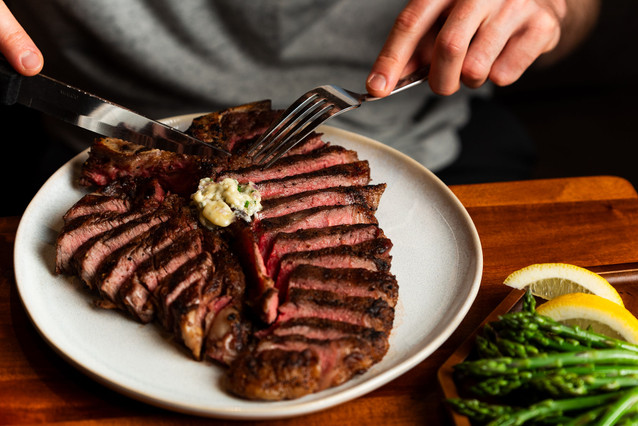
The porterhouse is a bone-in cut that carries two muscles separated by a T-shaped bone. On one side sits the Strip. On the other side sits the Tenderloin Filet. You get both in a single, impressive slab of beef.
What sets the porterhouse apart from a standard T-bone is the size of the Tenderloin Filet section. The USDA requires the Tenderloin Filet to measure at least 1.25 inches wide at its widest point for a cut to qualify as a porterhouse. Anything smaller earns the T-bone label instead.
The porterhouse runs large by design. A single cut often weighs between 24 and 32 ounces. Whether you’re sharing or tackling it yourself, this cut always makes a bold statement at the center of the table.
The strip side delivers a firm, beefy chew with bold flavor that stands up well to high heat. The filet side stays lean and buttery, melting under the knife with very little resistance. Getting both muscles on one bone is the real appeal of this cut. You're essentially cooking two steaks in a single session.
Cooking the Porterhouse Without Overcooking Either Muscle
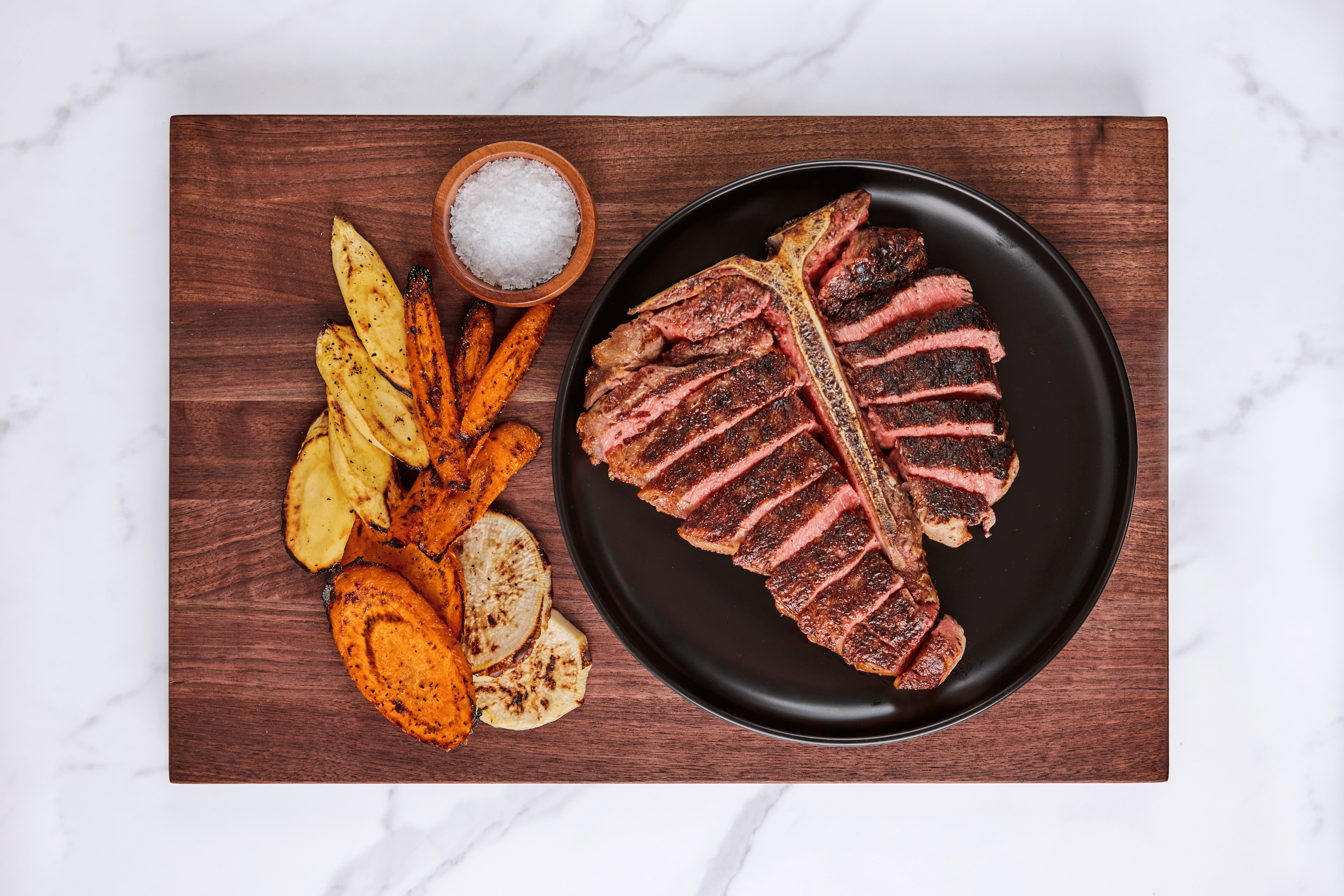
Here's the challenge. The strip and the tenderloin filet cook at different rates. The Tenderloin Filet is leaner and finishes faster, while the strip carries more intramuscular fat and can handle more heat.
The fix: reverse sear or use indirect heat first, then finish over high heat. This process brings both muscles to an even temperature before the sear. Alternatively, position the Tenderloin Filet side away from the direct flame for the first part of the cook. Medium-rare throughout is your target, so pull it around 125 to 130 degrees Fahrenheit and let it rest a full five minutes before cutting.
A cast-iron skillet is the ideal choice for the finishing sear indoors. Outdoors, a charcoal grill with a two-zone fire setup lets you control the heat on each side of the bone independently. Either method works. The key is patience on the front end.
What Makes the Ribeye Special
The Ribeye comes from the rib section of the animal, specifically ribs six through twelve. This area sits far enough from the working muscles of the shoulder and hindquarters that the tissue stays tender. Combined with a high concentration of intramuscular fat, or marbling, the ribeye delivers some of the richest flavors of any cut on the animal.
The ribeye comes in bone-in and boneless versions. The bone-in version, often called a cowboy ribeye or tomahawk, depending on the rib length, adds visual drama. The boneless version cooks more evenly and delivers consistent results every time.
A well-sourced Ribeye shows marbling woven throughout the muscle rather than sitting only along the edges. That distribution matters. Fat interspersed throughout the meat renders as it cooks, keeping the interior moist even if you push past medium-rare. It's one of the more forgiving cuts for less experienced cooks who aren't yet dialed in on pull temperature.
The Spinalis and Why It Matters
The spinalis, also called the Ribeye Cap, wraps around the outer edge of the ribeye and separates from the main eye muscle during the cook. It's the most prized section of the ribeye for good reason. The Spinalis carries dense marbling, a silky texture, and a deep beefy flavor that stands apart from the rest of the cut.
When you cut into a well-marbled ribeye on a hot cast-iron pan, the Spinalis renders down and bastes the surrounding meat in its own fat. You don't need much to make it shine. A hot pan and simple seasonings are all you need to achieve the best results.
Head-to-Head: Flavor, Texture, and Occasion
When choosing between a porterhouse and a ribeye, it helps to compare what really counts. Here's a straight-up comparison of how the two cuts measure up:
- Flavor: The ribeye wins on richness. Heavy marbling means more rendered fat and a deeper, beefier taste throughout. The porterhouse delivers bold flavor from the strip side with a lean, buttery contrast from the tenderloin filet.
- Texture: The Tenderloin Filet section of the Porterhouse is the most tender muscle on the animal. The ribeye's spinalis rivals it in softness but brings more chew and body to the experience.
- Size: Porterhouse and tomahawk cuts run larger. If you're feeding more than one person or want serious leftovers, these will offer more beef on a single plate.
- Occasion: The ribeye works beautifully as a solo centerpiece any night of the week. The porterhouse commands attention and is suitable for a celebratory meal or a shared plate.
Both cuts benefit from proper resting time after cooking. Cutting into either one too soon pushes the juices out onto the board instead of keeping them in the meat. Five minutes minimum, ten if the cut runs thick.
Choosing Based on Your Cooking Setup
If you’ve got a blazing-hot cast-iron skillet and a reliable oven, you’re set. Both steaks will turn out beautifully when using this combination. The Ribeye, on the other hand, works best with a two-zone fire and a quick sear over high heat to finish.
For first-time buyers looking for a premium cut that's forgiving and impressive, the Ribeye earns the nod. If you’re after a true showstopper and want to experience both the Strip and Tenderloin Filet in one unforgettable steak, look for a Porterhouse steak from The Linz Shop. We take pride in sourcing and aging our beef and will deliver a product that stands out for its tenderness and rich flavor.
The Verdict Is In: Pick Your Cut and Get Cooking
Porterhouse vs. ribeye: Which cut wins for your next meal? It all comes down to what you're craving. If you want deep, beefy flavor and a reliably juicy steak, the ribeye is the way to go. If you're after a dramatic presentation and the best of both worlds on one bone, the porterhouse is hard to beat.
No matter which cut you choose, start with great beef and let it rest before you slice. Consider your cooking style and who you're serving, then enjoy every bite. Browse The Linz Shop's selection of 100% Genuine Black Angus beef and order the perfect steak for your next cookout.
Want a closer look at these legendary cuts before you order? Watch The Linz Shop’s Porterhouse and Boneless Ribeye cut breakdown on Instagram, then browse our selection of 100% Genuine Black Angus beef to find the perfect steak for your next cookout.