
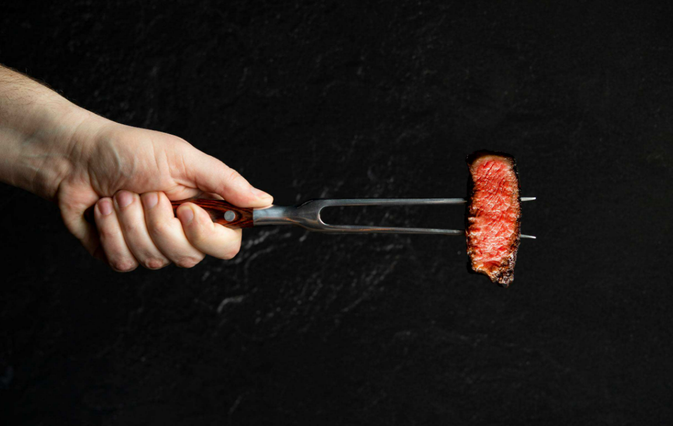
Cooking a premium steak well comes down to more than a hot pan or a glowing grill. Internal temperature determines how the center feels, how much juice remains in the meat, and how the fat behaves as the steak cooks. A difference of only a few degrees can move a steak from soft and rosy to noticeably firmer.
Color offers clues, but a thermometer gives you a dependable number. The best target also depends on the cut because steaks differ in marbling and muscle structure. Understanding those differences helps you choose a temperature that suits both the beef and your preferred doneness. Keep reading to explore the ideal internal temperature for every steak cut.
Know the Safety Baseline
Aim to cook whole steaks to at least 134°F and allow them to rest for three minutes before eating. Enjoying a steak at medium-rare will allow for an exceptional steak experience.
Here’s a quick breakdown:
- Rare- 120 to 129°F
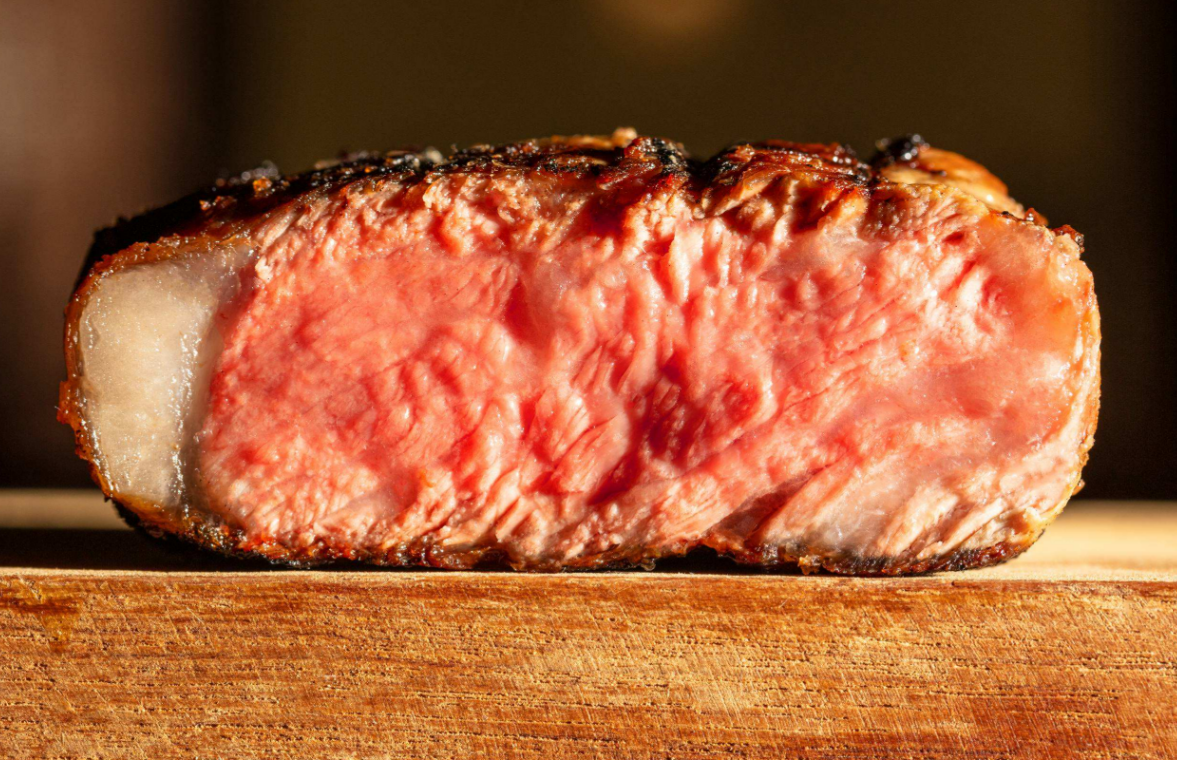
- Medium-rare- 130 to 134°F
- Medium- 135 to 144°F
- Medium-well- 145 to 154°F
- Well-done- 155°F or higher
Use an instant-read thermometer in the thickest part of the steak. Keep the probe away from bone and large pockets of fat so you can read the meat itself.
Filet Mignon
Filet mignon comes from the tenderloin, which gives the cut its famously soft texture. Because filet carries less marbling than ribeye, higher temperatures can firm the meat quickly and reduce the delicate texture that people expect.
From a culinary perspective, many chefs favor about 130 to 135°F for filet. That medium-rare range keeps the center tender and warm without pushing the lean meat too far. Thick filets often cook more evenly when you use moderate heat before a strong final sear.
Ribeye and Tomahawk
Ribeye contains generous marbling, so temperature changes more than the center color. Heat softens the internal fat that gives ribeye its rich flavor and luxurious texture.
More heat gives the marbling time to soften, while too much heat can tighten the meat. A tomahawk follows the same general range because it comes from the rib section, but its dramatic bone and thickness usually call for a slower first stage of cooking.
Bone-in ribeyes and tomahawks deserve an extra temperature check. Test the thickest portion away from the bone rather than relying on a single spot.
New York Strip
New York strip gives you a firmer bite than filet while still offering enough marbling for rich flavor. The cut responds well to high heat, but the center can move from juicy to firm quickly once the temperature climbs.
A culinary target of medium-rare gives the strip a warm center with a satisfying texture. The lower end preserves more tenderness, while the upper end creates a firmer bite.
Let the fat edge make direct contact with the cooking surface for part of the cook. That step renders some exterior fat and adds deeper seared flavor.
Porterhouse and T-Bone
Porterhouse and T-bone steaks combine strip steak on one side of the bone with tenderloin on the other. The porterhouse includes a larger tenderloin section, which creates an impressive steak and a unique cooking challenge.
The tenderloin side can cook faster than the strip side because the two muscles differ in size and structure. A culinary target between 130 and 140°F can work depending on your preference, but check both sides instead of relying on one reading. Keep the tenderloin slightly farther from the strongest heat if one side starts cooking too quickly.
If you buy porterhouse steaks online, check the weight and thickness before deciding how to cook them. Linz Heritage Angus offers 24-ounce porterhouse steaks, so controlled heat can help you manage the generous size before a final sear.
Top Sirloin
Top sirloin delivers strong beef flavor with less marbling than ribeye. Its leaner structure means excessive heat can make the steak firmer sooner.
A medium-rare to medium cook gives top sirloin a warm center while helping it hold onto moisture. After the steak rests, slice across the grain. Shorter muscle fibers make sirloin easier to chew without changing its beef-forward flavor.
Flat Iron and Hanger Steak
Flat iron and hanger steaks both offer rich beef flavor, but they come from different parts of the animal. Flat iron comes from the shoulder, while hanger steak sits near the diaphragm. Both cuts reward careful temperature control.
A range around 130 to 140°F keeps these steaks tender for diners who prefer lower doneness. Higher temperatures can tighten the muscle fibers, especially around thinner sections.
Check the thickest area with your thermometer. After resting, slice across the grain to shorten the muscle fibers and improve tenderness.
Flank and Skirt Steak
Flank and skirt steaks have long muscle fibers and typically come in thinner shapes. They cook quickly, so a short delay on the grill can move the center through several degrees.
A culinary target around 130 to 140°F helps these cuts stay tender. Slice across the grain after resting. Thin slices shorten the long fibers and create a better bite for tacos or sandwiches.
Understand Carryover Heat
A steak can keep warming after it leaves the grill or pan because heat continues moving toward the cooler center. Culinary sources call this carryover cooking, and the size of the temperature increase can vary with steak thickness and cooking method.
Trust the Thermometer
Cooking times can help with planning, but they can’t account for every variable. Steak thickness and starting temperature can change how quickly the center warms, while a large bone can create another difference.
A thermometer removes much of that uncertainty. Check the center near the end of cooking, then test a second spot on large bone-in cuts. Give the steak time to rest before slicing.
Cook With More Confidence
Every steak cut has a different ideal cook temperature. Filet rewards restraint, while ribeye benefits from enough heat to soften its marbling. Porterhouse demands attention on both sides of the bone, while thin cuts need quick temperature checks.
Start with the cut, decide how much doneness you want, and use a thermometer instead of guesswork. With that knowledge, you can give each steak the cooking approach it deserves and serve it with more confidence.