
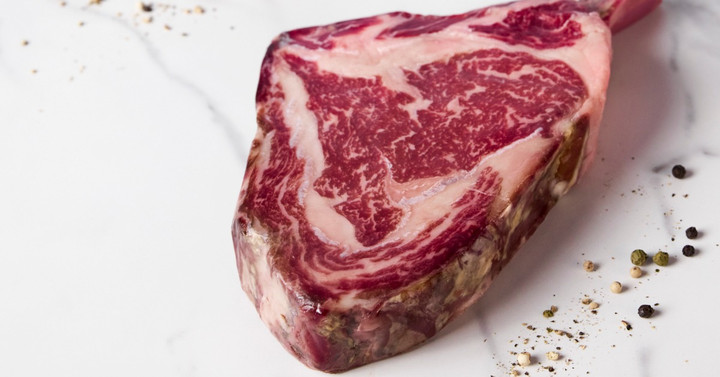
The role of controlled environments in dry-aging quality is at the heart of what makes premium beef so remarkable, and the story starts well before a steak ever hits your plate. Dry-aging isn’t a process you can speed up or fake. It’s all in the details: the room’s humidity, the steady movement of air across the beef, and the patience and care poured into every part of the process.
When you shop for dry aged beef online from a trusted source like The Linz Shop, you’re choosing decades of expertise and a commitment to controlled conditions that define truly exceptional beef. You can taste the difference in every bite. The rich flavor and tenderness come from getting every step of the process right, from beginning to end.
What Dry-Aging Does to Beef
Dry-aging develops beef through two simultaneous processes that work together over time. First, moisture evaporates from the beefs surface, concentrating the natural flavors locked inside the muscle. At the same time, naturally occurring enzymes within the muscle break down connective tissue and proteins, producing a tenderness you cannot replicate through any other aging method.
The result is a depth of flavor that sets dry-aged beef apart from anything fresh-cut. The taste develops a nutty, woodsy quality with earthy undertones that build progressively over the aging period. A 30-day dry-aged ribeye tastes distinctly different from a 45-day or a 60-day cut, and each step forward on that timeline reveals something new and exciting.
The aging timeline is one critical variable. The environment surrounding the beef during this period is another factor that carries just as much weight in the final outcome.
Why Temperature Is Non-Negotiable
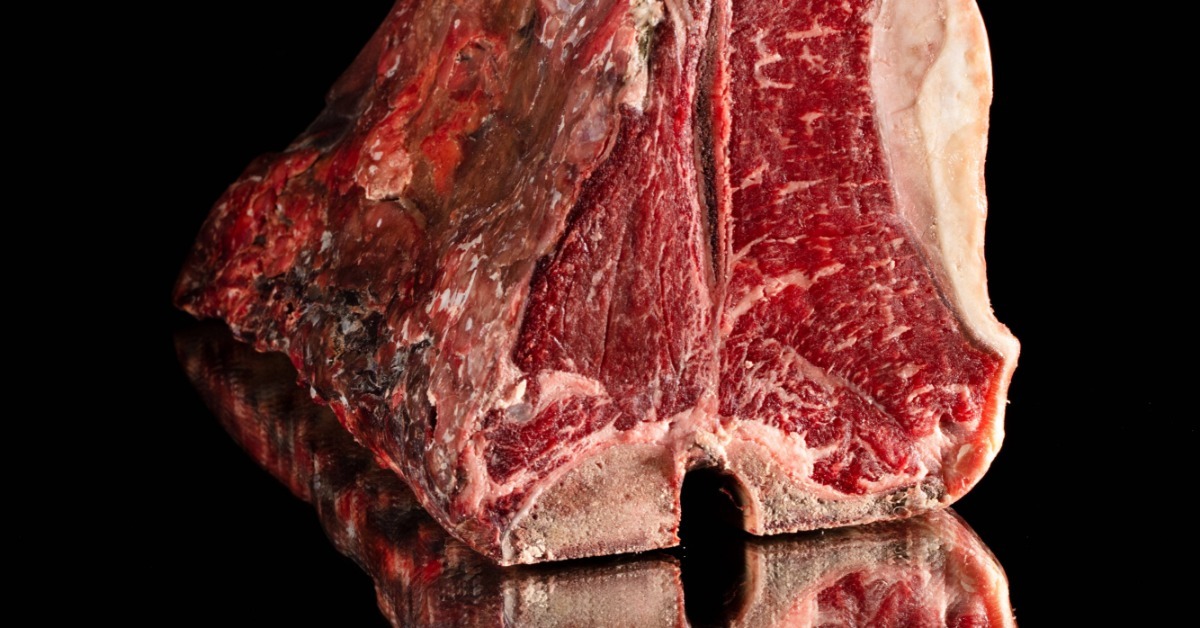
Temperature is the foundation of any successful dry-aging program. The ideal range falls between 34°F and 38°F, a narrow window that keeps beef safe while allowing the enzymatic activity responsible for tenderness to continue working. Drop below that range and enzymatic activity slows or stops entirely. Exceed it, and you create a risk of spoilage that no amount of trimming can overcome.
Professional dry-aging facilities monitor temperature continuously rather than periodically. Even small fluctuations across a multi-week aging cycle can affect the final character of the beef. If the temperature in a room fluctuates by just two or three degrees overnight, that small inconsistency can build up over a 45-day aging period and affect the final result.
Consistency over time, not just average accuracy, is what separates controlled dry-aging from guesswork. That steady control is what allows every cut to reach its full potential, delivering the rich flavors and tenderness people expect from truly great beef.
Humidity and the Surface Environment
Humidity control guides how the beef’s outer crust, known as the pellicle, forms and changes during aging. Ideally, humidity should stay between 75% and 85%. If the air is too dry, moisture escapes quickly, and the crust sinks deeper into the meat, which means you lose more edible beef when trimming. If it gets too humid, the conditions can encourage unwanted microbes to grow on the surface.
The pellicle that forms under ideal humidity conditions acts as a natural protective barrier for the beef inside. It maintains a steady, controlled rate of moisture loss while the enzymes do their work beneath the surface.
That outer layer is trimmed away before the beef is shipped, but its formation directly affects the quality and character of the meat beneath it. Get the humidity wrong, and you compromise the pellicle, putting the entire aging run at risk.
Airflow: The Variable Most People Overlook
Temperature and humidity receive most of the attention in dry-aging conversations, but airflow deserves equal consideration. Without consistent air circulation, moisture pools on the surface of the beef rather than evaporating evenly. That uneven drying creates inconsistency across the cut and can introduce surface problems that disrupt the aging process before it reaches its full potential.
Professional dry-aging rooms use calibrated airflow systems that move air across the beef at a rate that supports even moisture loss without drying the surface too aggressively. The goal is consistent, gentle circulation that treats the full surface of every cut the same way, from the first day of aging to the last. Even minor airflow inconsistencies can affect the beef's final flavor and texture.
What Proper Airflow Produces
When airflow is managed with care from beginning to end, the difference is clear in every cut of beef. Each steak delivers the same reliable tenderness and flavor that people expect from dry-aging. With the right airflow, here’s what you can expect:
- Even pellicle formation across the full surface of the cut
- Consistent moisture loss that concentrates flavor without over-drying
- Reduced risk of localized spoilage on the outer surface
- Predictable aging results across multiple cuts in the same room
- A cleaner trim line that preserves more usable beef per cut
All these factors work together to create dry-aged beef with the incredible flavor and texture people crave. When airflow is inconsistent, the beef just doesn’t live up to its potential. Consistency is key, especially when you’re aiming for a premium result.
Quality Aging Starts With Quality Cattle
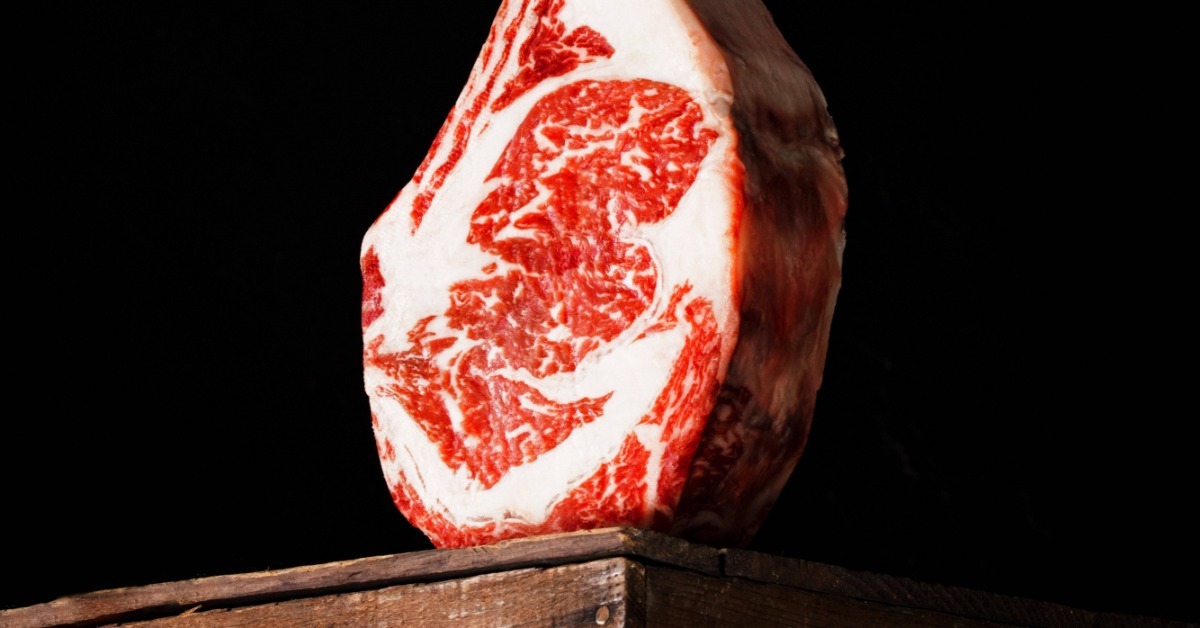
A great dry-aging environment means nothing without exceptional beef to start. That’s why The Linz Shop sources beef from our own Black Angus, ensuring total control from the very beginning. Genetics, nutrition, and marbling all play a part in setting the stage for an aging process that brings out the best in every cut.
Black Angus develops rich, complex flavors during dry-aging that leaner cuts simply can’t match. Intramuscular fat holds the flavor compounds, and as the beef ages, these compounds grow more intense while moisture leaves the muscle.
The right environment brings out the beef’s full potential, but it all starts with top-quality Angus. To justify all the time and care that goes into dry-aging, you need to begin with the very best.
The environment matters, but so does the beef itself. When both are right, the steak that comes out at the end needs almost nothing else. All you need is a little salt and some heat to cook a memorable meal at home.
Nothing About Dry-Aging Happens by Accident
The role of controlled environments in dry-aging quality is ultimately a story about discipline and expertise working together over weeks at a time. Every variable in the aging room plays a real role in producing beef with the nutty, earthy depth of flavor that experienced cooks love.
At The Linz Shop, that environment reflects more than sixty years of doing this the right way. We start with our own Black Angus, and we don't cut corners between there and the aging room. The steak that comes out on the other side doesn't need anything to prop it up. Shop premier dry-aged beef online at The Linz Shop and taste the difference that controlled aging environments can make.