

If you've ever cut into a perfectly cooked tenderloin and wondered why it stands apart from every other steak on your plate, the answer lies in the cut itself. There are several key things to know about center-cut tenderloin steaks that can completely reshape how you source, season, and cook your beef. From the unique anatomy of the loin to the subtle science behind proper searing technique, a deeper understanding of this prized cut gives some cooks a real edge in the kitchen.
The Anatomy Behind the Cut
The beef tenderloin runs along the animal's spine and is a muscle that experiences very little movement over its lifetime. Because it does so little work, the tissue remains exceptionally tender. The full tenderloin tapers from one end to the other, and butchers divide it into distinct sections based on size and texture. The tenderloin's position along the spine shields it from the physical stress that toughens muscles found elsewhere on the animal.
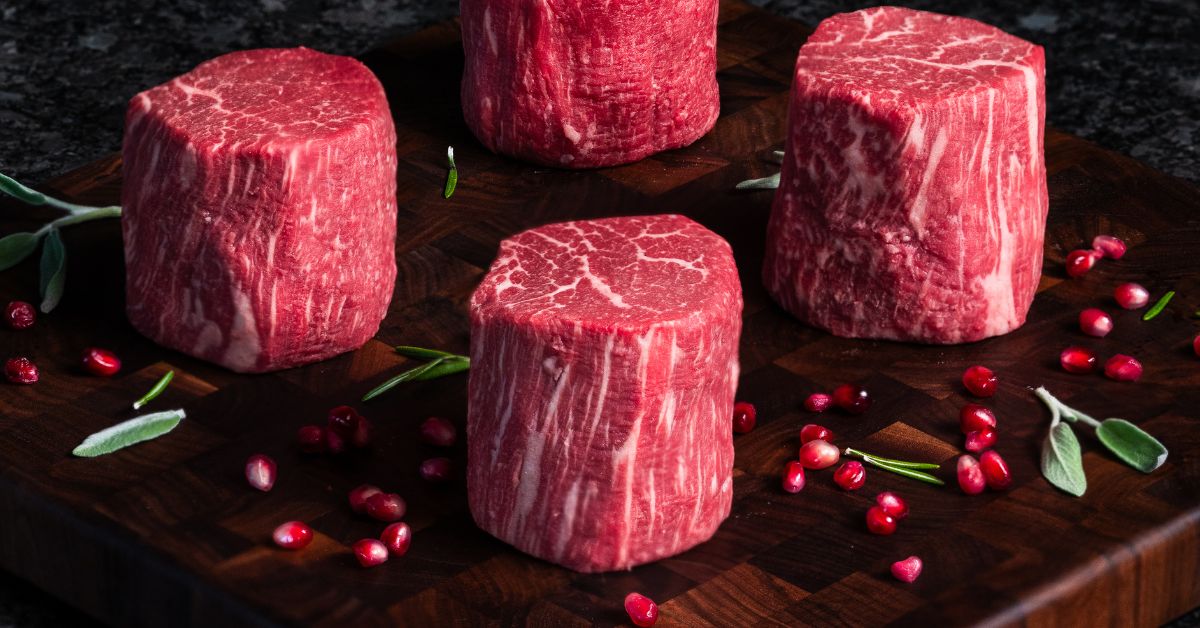
The center section stands out for its consistent diameter and uniform shape, making it the most desirable portion for cutting premium steaks. When a butcher refers to a center-cut steak, they’re talking about a portion taken from the heart of the loin, where the shape remains even, and the texture stays consistent throughout.
Why the Center Cut Offers Superior Consistency
Not every portion of the tenderloin delivers the same cooking experience. The tail end tapers significantly, making it difficult to cook evenly, while the butt end contains more connective tissue than the center. The center cut avoids both of these challenges.
Steaks from this section hold their shape beautifully while cooking and sear evenly across the entire surface. The texture remains consistently tender from the first bite to the last.
For cooks who take their craft seriously, this level of precision directly translates into the quality of the finished dish. A uniform cut also makes it much easier to achieve consistent, repeatable results every time you cook. That consistency gives home cooks a reliable baseline for building their technique, since the cut responds predictably to heat every time.
Choosing the Right Grade for Your Tenderloin
Beef grading gives you a reliable road map before you turn on the stove. The USDA grades beef based primarily on marbling, which refers to the fine threads of intramuscular fat woven through the muscle. Because the center-cut tenderloin is already a lean cut by nature, the grade you choose matters more here than it might with a heavily marbled ribeye.
Higher marbling levels compensate for the tenderloin's natural leanness, delivering the moisture and flavor depth that experienced cooks expect from a premium steak. Here is a quick breakdown of the grades most relevant to home cooks:
- Choice: Reliable quality with balanced marbling, tenderness, and flavor.
- Reserve: An elevated choice, offering increased marbling and a more consistent, refined eating experience.
- Prime: The top tier, defined by abundant marbling and exceptional richness, tenderness, and flavor.
The Linz Shop carries USDA Prime and premium Wagyu selections, allowing you to match the cut to the occasion and your personal standard of excellence. These premium options ensure that every steak delivers maximum tenderness and flavor, making any meal memorable.
Best Practices for Cooking Center-Cut Tenderloin
Because the tenderloin has less fat than cuts like ribeye or strip steak, it requires a careful, attentive approach in the kitchen. For the perfect sear, use a screaming-hot cast-iron or carbon steel pan to build a deep, caramelized crust that seals in flavor and creates a beautiful, richly colored exterior.
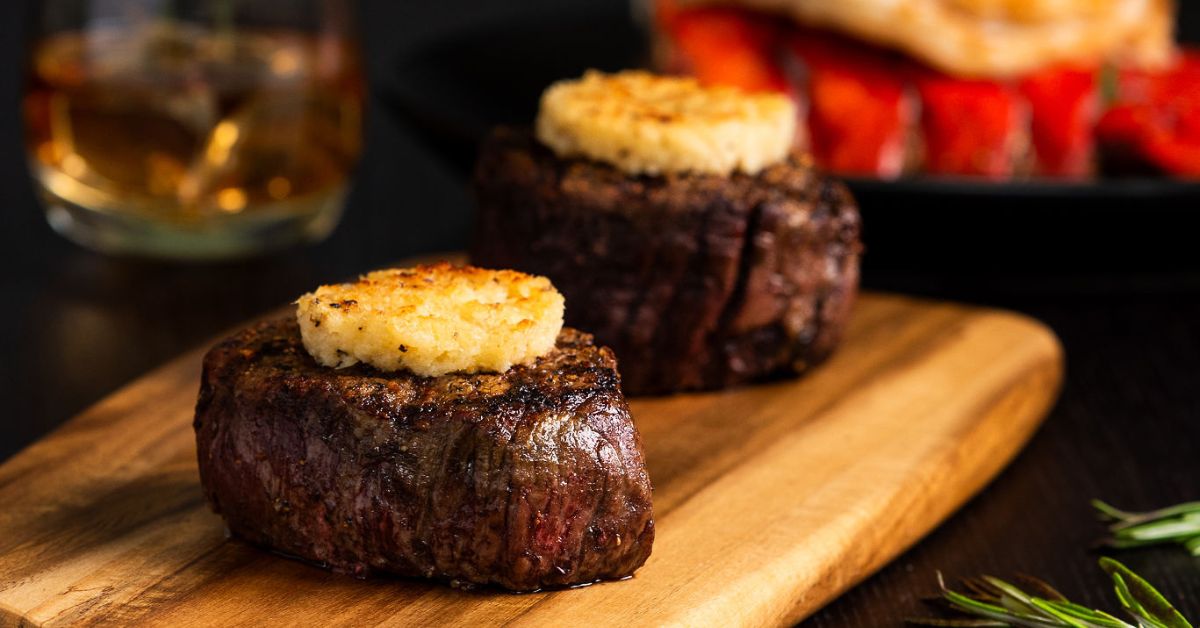
Make sure to thoroughly pat the steak dry before cooking and season it well with kosher salt and cracked black pepper. Once it hits the pan, let the heat do the work. Cook your center-cut tenderloin to medium-rare, aiming for an internal temperature between 130 and 135 degrees Fahrenheit. A reliable instant-read thermometer gives you precise control over doneness and keeps that buttery tenderness intact from edge to center.
After searing, let the steak rest for at least five minutes to redistribute the juices throughout the meat, keeping it tender and juicy when you slice into it. For thicker cuts, the reverse sear method offers even greater control over the final result. Start in a 250-degree oven until the steak reaches about 115 degrees internally, then finish it in a ripping-hot pan for a crust that rivals any serious steakhouse.
Keep Your Tenderloin Fresh: Handling and Storage Tips
The center-cut tenderloin rewards careful handling from the moment it arrives. Because it has less protective fat than cuts like ribeye or strip, it’s more sensitive to temperature changes and storage conditions. Keep vacuum-sealed steaks refrigerated and use them within 3 to 5 days, or freeze them for up to 6 months without compromising quality.
If you do freeze them, thaw the steaks slowly in the refrigerator overnight. This gradual process helps preserve the meat’s cellular structure and maintains the tender, buttery texture that defines a premium center cut.
When you’re ready to cook, take the steak out of the refrigerator 30 to 45 minutes beforehand. Letting it sit at room temperature helps it cook more evenly from edge to center. Just before it hits the pan, pat it dry with paper towels and season it.
Understanding a Truly Exceptional Cut
The quality of a center-cut tenderloin is shaped long before it reaches your kitchen. It begins with how the animal is raised and depends just as much on the precision a skilled butcher brings to selecting the best portion of the loin. The things to know about center-cut tenderloin steaks come from understanding that entire process.
The Linz Shop began as a neighborhood butcher and has grown into a trusted destination for cooks who expect more from every ingredient they bring into the kitchen. Start with the center-cut 10 oz. filet mignon, and let the sear do the talking. The result is a steakhouse-worthy centerpiece that invites you to slow down and savor every bite.