
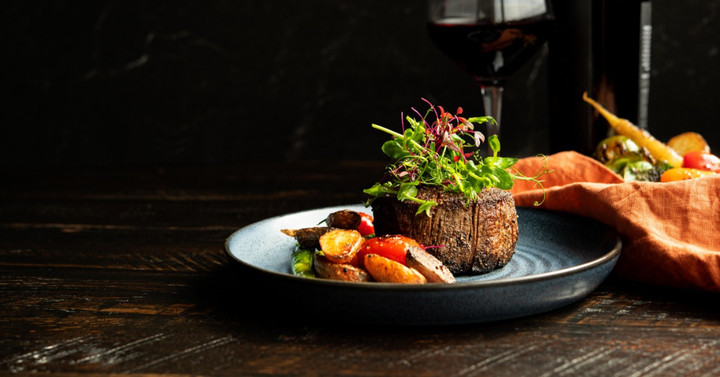
Uncovering how to achieve restaurant-quality Filet Mignon at home starts with one honest truth: the gap between a great steakhouse filet and the one you cook in your own kitchen is smaller than most people think. The technique matters, and so does knowing your equipment. But before any of that, the cut itself sets the ceiling on what's possible.
A well-sourced Filet Mignon with the right marbling and aging behind it gives you something worth cooking. Start there, and everything else falls into place.
Choosing the Right Cut Is the First Essential Step
The filet mignon comes from the tenderloin, the least-worked muscle on the animal. Because it does so little, it stays exceptionally tender. That tenderness is what sets this cut apart, and the quality of your beef determines how much of that tenderness ends up on your plate.
The LHA USDA Prime Barrel Cut Filet offers you the same foundation that restaurant chefs depend on: USDA Prime Angus beef, sourced from heritage cattle with proven genetics to match the label.
For a more compact option that works well for dinner parties or smaller portions, theLHA Reserve Tenderloin Filets deliver the same quality standard in a 6 oz size. You get six per order, so you can cook for a full table.
Thickness Changes Everything
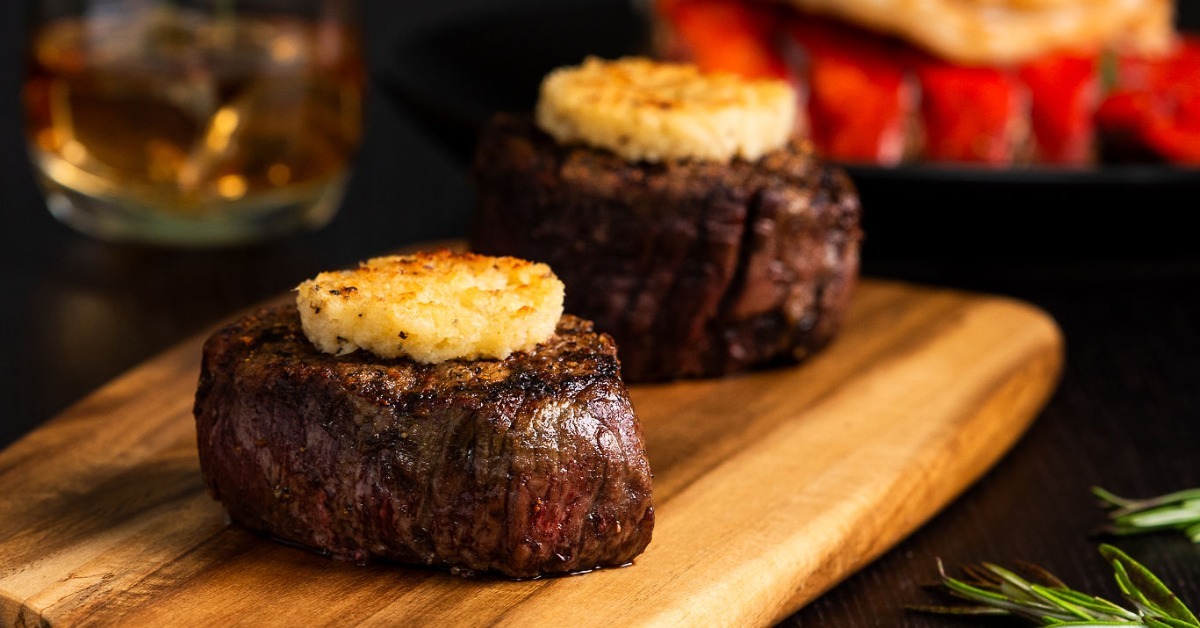
Restaurant kitchens cut filets thick, typically between 1.5 and 2.5 inches, and that choice is intentional. A thicker cut gives you the time you need to build a proper crust on the outside without overcooking the center. A thin filet mignon goes from raw to overdone in the time it takes to look away from the pan.
Thickness is your window of control, so protect what you have and ensure that you get the best possible results. The 8 oz Filet Mignon is the sweet spot for home cooking, thick enough to sear properly and sized right for a single, satisfying portion.
The Case for Dry Brining Before You Cook
Dry brining is a go-to technique in restaurants, but it’s one home cooks often overlook. To do it, season your filet generously with kosher salt at least 45 minutes before cooking, or ideally, the night before. The salt pulls moisture from the surface, which then gets reabsorbed into the meat, deepening its natural flavor.
When it’s time to cook, the surface will be dry enough to sear beautifully, and the seasoning will have penetrated the filet, keeping it flavorful throughout. Wet surfaces steam instead of sear, and dry brining takes that variable off the table entirely.
Getting the Cook Right From Start to Finish
The main difference between home-cooked and restaurant-quality steak often lies in heat control. Professional kitchens use high heat and heavy-duty equipment, but you can still achieve great results at home with the right strategy. Even if your stove isn’t as powerful as restaurant equipment, you can bridge the gap by practicing perfect technique.
For Filet Mignon, reach for a cast-iron or stainless-steel pan. These pans retain heat evenly, so when the steak hits the surface, you get the sear you’re after. Nonstick pans just can’t reach the same temperature or build that crave-worthy crust.
Heat your pan until it’s almost smoking, add a little avocado oil for its high smoke point, and let the steak stay put once it touches the pan. Resist the urge to move it around; that’s how you build a beautiful crust.
Sear First, Then Finish in the Oven
You can use either the reverse sear or the traditional sear-to-oven method for Filet Mignon, and both deliver great results. For most home cooks, starting with a sear and finishing in the oven is the simplest route.
Sear each side for two minutes in a hot pan to develop a golden crust. Then move the pan into a 400°F oven so that the center cooks through gently, letting you keep that perfect crust without burning the outside.
If you want your filet mignon medium rare, take it out of the oven when an instant-read thermometer shows 120°F to 125°F. The steak will keep cooking as it rests, rising a few more degrees. This gentle finish is what gives you a juicy, tender result.
Resting the Steak Is Non-Negotiable
If you move a filet mignon straight from the pan to the plate, all those flavorful juices will run across your cutting board instead of staying in the meat. Give your steak at least five minutes to rest after cooking. Loosely tent it with foil to help keep it warm, but don’t seal it too tightly or you’ll lose that beautiful crust you worked so hard for.
During those few minutes, the muscle fibers relax, and the juices have a chance to move back through the steak. If you cut into it too soon, those juices will escape onto the plate. Give it time, and you’ll be rewarded with a filet that’s juicy from edge to edge. Proper resting is the secret to a steak that tastes as good as it looks.
The Details That Separate Good From Exceptional
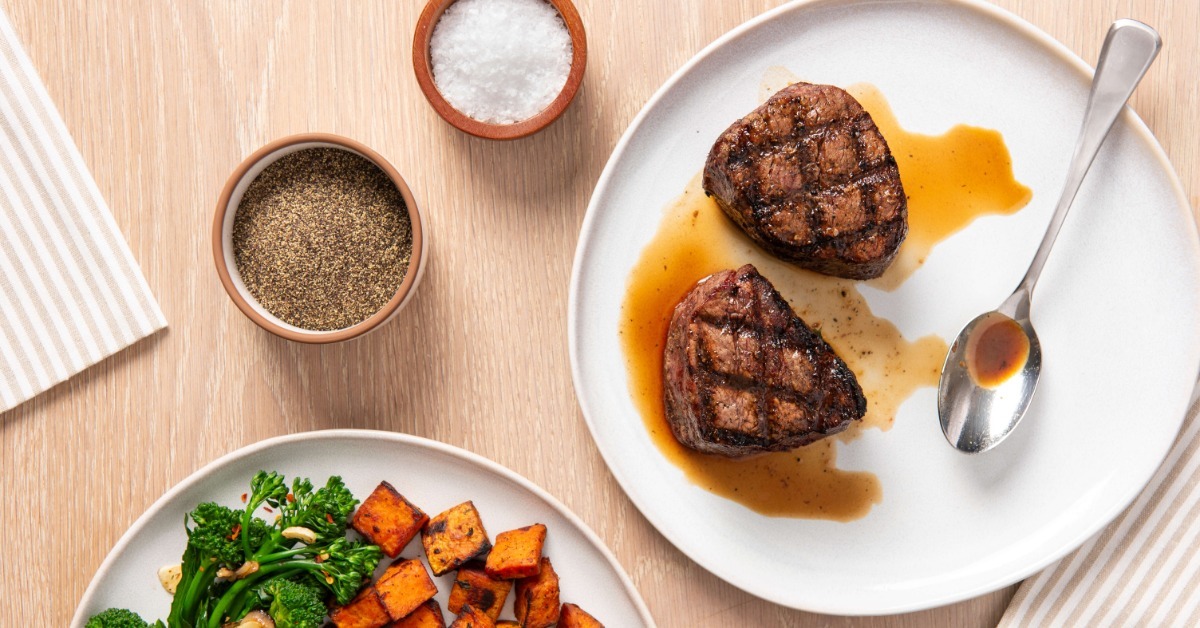
Bringing restaurant-quality steak to your own kitchen is all about mastering the details that are easy to overlook. Let the steak warm up before cooking, make sure your pan is hot enough, time the oven stage carefully, and always give the steak a proper rest. Skip any of these, and you’ll notice it in the final bite. Nail every step, and your steak will speak for itself.
Here are a few details worth remembering as you cook:
- Pull the filet from the fridge at least 30 minutes before cooking, then let it rest at room temperature.
- Pat the surface completely dry with a paper towel before it goes into the pan.
- Use an instant-read thermometer rather than timing or touch to gauge doneness.
- Baste with butter and fresh thyme during the last minute of searing for added depth.
- Season again lightly with flaky salt right before serving to finish the crust.
You don’t need fancy equipment for any of these steps. What matters most is attention to detail, and that’s something every home cook can bring to the table. Everything else is just practice.
A Great Filet Mignon Is Always Within Reach
All the tips for achieving restaurant-quality filet mignon at home point to one thing: respect the cut, and it will reward you well. When you start with a well-sourced filet mignon from The Linz Shop, you get USDA Prime Angus beef raised with care and quality in mind. Focus on mastering the simple steps, and you’ll have a steak worth savoring every time.