
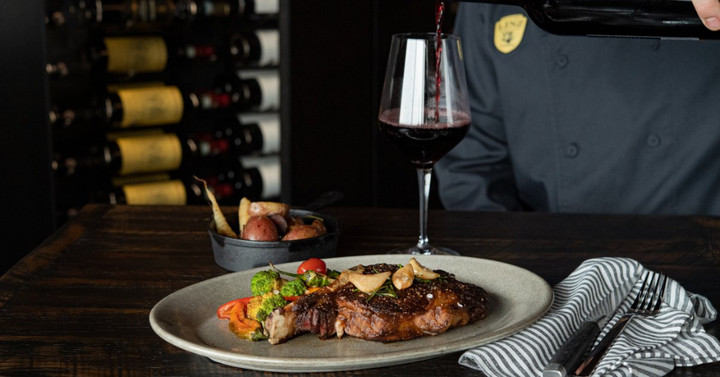
A good ribeye doesn’t need much beyond salt, heat, and time. The wine pairing should follow the same philosophy. The best bottles add balance to the steak’s richness without overwhelming it, creating a pairing that feels effortless instead of overthought. Once you understand what works with ribeye’s bold flavor and marbling, picking the right wine becomes a lot easier. Here are our top tips for choosing wine pairings for ribeye steak.
Why Ribeye Demands a Thoughtful Wine Pairing
Ribeyes have earned their reputation as one of the most flavorful cuts on the animal. The generous intramuscular fat running through the meat creates a buttery, savory richness that sets it apart from leaner cuts like sirloin or filet. That fat does something important for wine pairing: it softens the perception of tannins, the compound in red wine responsible for that dry, gripping sensation on your palate.
High-tannin wines can taste harsh or unpleasantly bitter alongside lean beef. But pair that same wine with a well-marbled ribeye, and the fat essentially lubricates the interaction, making the tannins feel balanced and structured. This is the core principle behind ribeye and red wine pairings, and once you understand it, choosing the right bottle becomes far more intuitive.
Your Cooking Method Shapes What You Pour
How you cook a ribeye shapes the flavors in the finished steak, which in turn affects which wines feel right at the table. A pan-seared ribeye develops a rich, deeply caramelized crust through the Maillard reaction, concentrating savory, meaty flavors that call for a wine with good structure and dark fruit character.
Grilling adds a smokier dimension to the beef, with char notes from direct contact with the open flame. Wines with a touch of earthiness or a hint of smokiness tend to bridge that gap beautifully. Think Syrah or a Southern Rhône blend. Both have enough body and spice to complement the beef on the grill without overwhelming it.
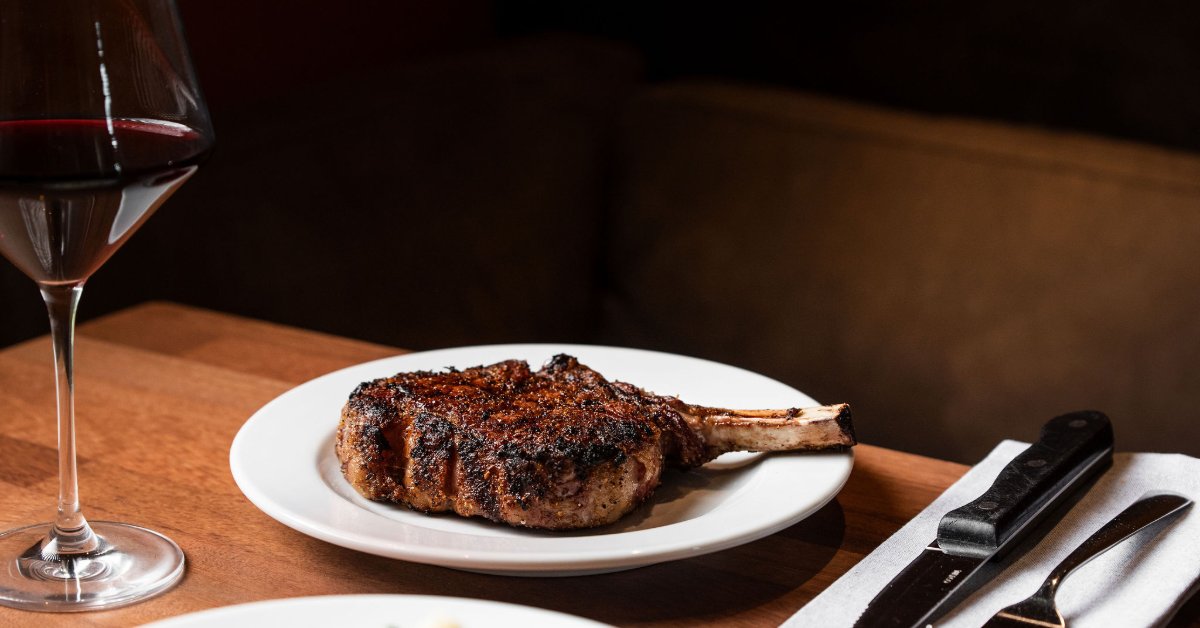
Choosing the Right Bottle: Fundamentals for Ribeye Lovers
You don't need an advanced degree in oenology to find the right wine to pair with your ribeye. A few reliable benchmarks will point you in the right direction every single time.
So, what wines actually make ribeye shine? Here are a few tried-and-true choices:
- Cabernet Sauvignon from Napa Valley or Bordeaux: Full-bodied with dark fruit, firm tannins, and enough acidity to cut through fat cleanly
- Malbec from Mendoza: Plush and fruit-forward, with a softer tannic structure that works especially well alongside grilled beef
- Syrah or Shiraz: Peppery and bold, with a savory, meaty character that pairs exceptionally well with char and smoke
- Tempranillo from Rioja: Earthy and medium-to-full bodied with enough structural backbone to stand up to a hearty ribeye
Each of these varietals brings something different to the table, so your choice depends on your personal preference, cooking method, or even the occasion itself. Don't be afraid to experiment; a bit of curiosity can lead to some surprisingly delicious pairings.
When to Consider an Aged Wine
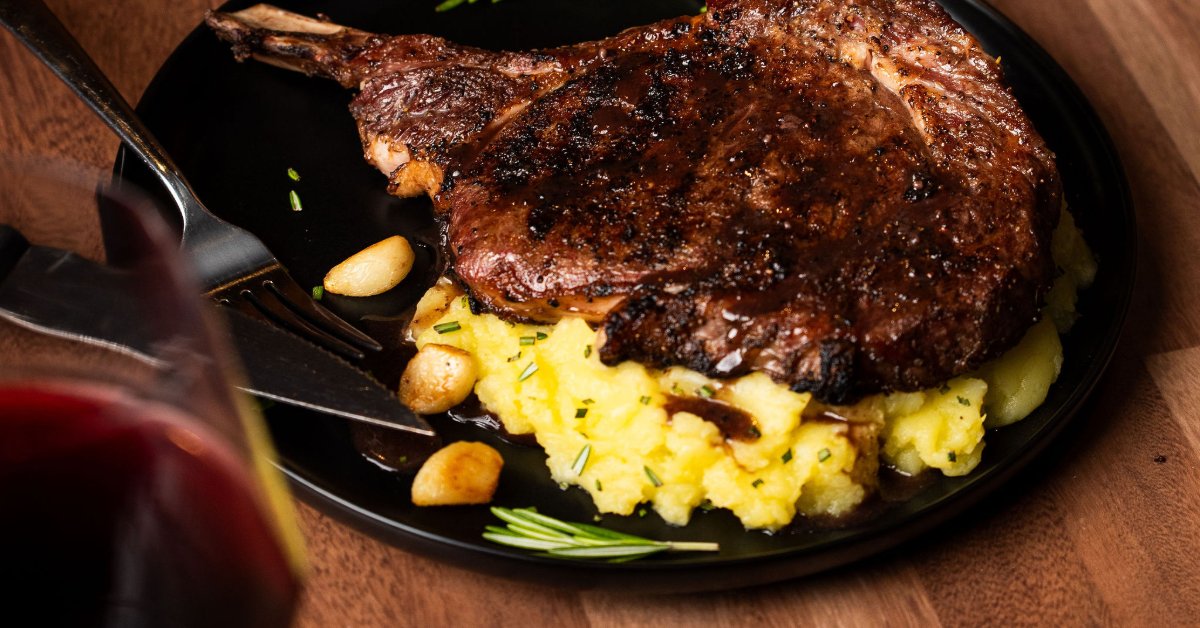
If you’re splurging on dry-aged beef, it makes sense to open a wine with some age behind it as well. Dry-aged ribeye has a deeper, more savory flavor that younger wines don’t always pair well with. Bright, fruit-forward reds can feel disconnected from the steak’s richness, rather than complementing it.
An older Cabernet Sauvignon or Burgundian Pinot Noir tends to develop more subtle, layered character over time, which pairs naturally with the intensity of a well-aged cut. The result feels balanced and intentional, with neither the steak nor the wine overpowering the other.
FAQ: Your Ribeye Wine Pairing Questions, Answered
Does a smoky or charred ribeye change the pairing?
Smoke and char introduce bold, bitter notes that need a wine with enough body and savory character to match. Syrah and Grenache-based blends work well here because they carry their own earthy depth. Avoid delicate, lightly structured reds, which tend to get lost behind a heavily charred crust.
What if I prefer lighter-bodied wines?
Lighter-bodied reds can absolutely work with ribeye as long as you keep a few things in mind. Pinot Noir from Burgundy or Oregon brings enough acidity and earthy character to complement the beef without requiring high tannins.
Choose a Pinot with good structure rather than a thin, high-alcohol bottling, and give the wine time to breathe before you pour. A well-chosen lighter red won't feel out of place alongside a properly cooked steak.
Does grilling vs. pan-searing affect the wine pairing?
It does, and it's worth thinking through before you open a bottle. Pan-searing produces intense, concentrated flavors from direct contact with a hot surface, which pairs best with structured, fruit-forward reds like Cabernet Sauvignon. Grilling adds a smoky, charred complexity, opening the door to wines with more savory, spice-driven profiles. Both methods produce incredible results; they just guide you toward slightly different bottles.
What pairs best with dry-aged ribeye?
Dry-aged beef has a deep, savory character that pairs best with wines that share its complexity. Aged Cabernet Sauvignon, Barolo, and Rioja Gran Reserva are all strong choices because the secondary notes that develop over time complement the richness of the beef in ways younger, fruit-forward wines often can’t.
How does marbling affect tannin perception?
Heavily marbled beef significantly softens tannin perception. The intramuscular fat coats your palate and reduces the astringent effect of high-tannin wines, making them taste smoother and more balanced than they would on their own.
This is why a tannic Cabernet Sauvignon that might feel grippy by itself suddenly feels silky alongside a well-marbled tomahawk ribeye steak. The more marbling in the cut, the more latitude you have to work with bold, structured wines.
Raise a Glass to Great Beef
A great wine pairing should enhance a steak’s natural flavor, not distract from it. Once you understand how ribeyes interact with different wines, choosing a bottle becomes far less intimidating. Some pairings will lean bold and structured, while others bring out a more subtle side of the beef.
The best approach is to start with quality ingredients and pay attention to what you enjoy drinking. At The Linz Shop, we’ve spent decades producing 100% Black Angus Beef with the kind of flavor and marbling that deserves a great bottle alongside it. Use our tips for choosing wine pairings for ribeye steak, and make every meal feel special.