
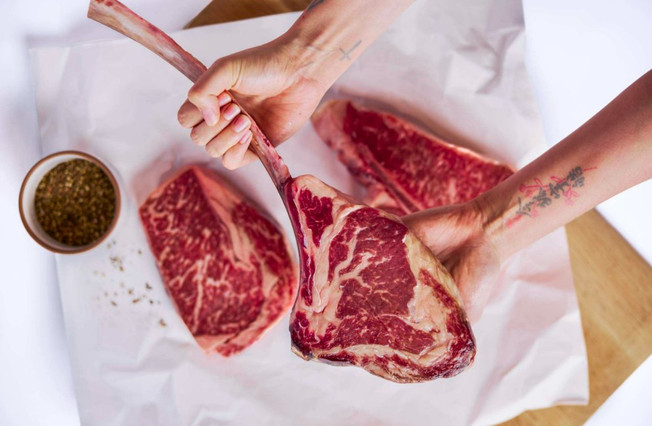
A tomahawk steak can turn an ordinary dinner into an occasion before you even light the grill. Its long rib bone makes an immediate impression, but the real appeal lies in the richly marbled ribeye attached to it. If you’re buying one for the first time, the size alone can make the decision feel surprisingly complicated.
If you’ve cooked ribeyes before, you already have a head start. This guide will help any first-time buyer pick the right tomahawk for your next dinner and enjoy cooking it with confidence.
Get To Know the Cut
A tomahawk comes from the rib section of the animal, just like a traditional ribeye. Butchers leave a long section of rib bone attached and trim the bone clean, creating the cut’s distinctive handle.
The ribeye itself brings the rich flavor. Its natural marbling melts during cooking and contributes to the tender, juicy texture steak lovers appreciate. The extended bone adds visual drama, but you should judge the steak primarily by the quality of its meat.
You’ll also see cowboy ribeyes while shopping. They share the same basic cut, but a cowboy ribeye has a shorter exposed bone. If you want that unmistakable centerpiece, the tomahawk delivers.
Choose the Right Size
Tomahawks often weigh substantially more than everyday steaks, so pay close attention to the product description. The listed weight includes the bone, which means a 30-ounce tomahawk won’t provide 30 ounces of boneless portions.
The Linz Shop offers tomahawk options in 30-ounce and 34-ounce sizes, with some products containing two steaks per package. Read the ounce count alongside the package quantity before ordering. That check helps you plan portions without overfilling your freezer.
For a dinner for two, one substantial tomahawk can make a generous shared entrée. Larger gatherings may call for multiple cuts, especially when everyone wants a hearty serving.
Look Closely at Marbling
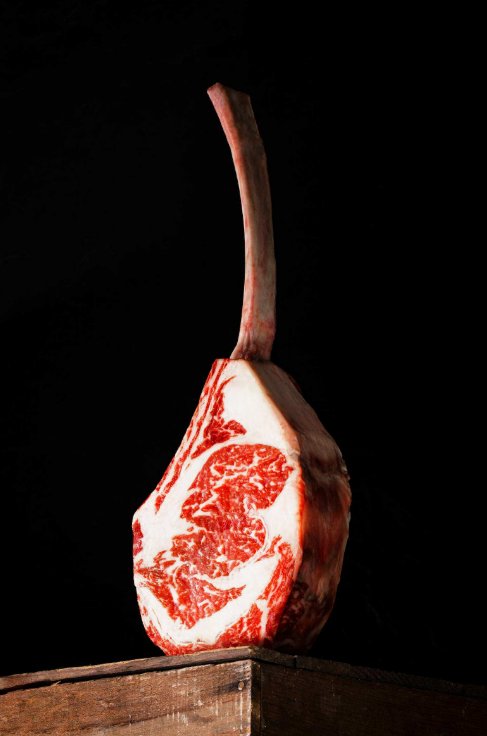
Marbling refers to the fine threads of fat within the muscle. These threads contribute to a ribeye’s character by softening during cooking. Look for an even distribution throughout the steak rather than judging quality by the thick strip of exterior fat alone.
You’ll also encounter various quality designations. USDA Prime identifies beef with abundant marbling, while other high-quality selections can still deliver a beautiful eating experience. Here at The Linz Shop, we carry USDA Prime tomahawks alongside our Linz Heritage Angus Reserve offerings, giving buyers distinct options to consider. If you enjoy a particularly lush ribeye, look for generous internal marbling.
Understand Aging Options
Aging affects a steak’s tenderness and flavor, but the method influences the outcome. Wet aging keeps beef in protective packaging while natural enzymes break down the muscle. The process helps develop tenderness while maintaining a familiar, beef-forward character.
Dry aging takes a different approach. Under carefully controlled conditions, moisture gradually leaves the beef while its flavor becomes more concentrated. Depending on the cut and aging period, you may notice nutty or earthy notes alongside the ribeye’s natural richness.
Compare More Than Price
When you explore various tomahawk steaks for sale, it’s tempting to compare the price tags first. Check whether the seller prices a single steak or a package, then review the stated weight and quality designation.
Think about the experience you’re buying, too. A long, carefully trimmed bone requires extra attention from the butcher and creates a presentation that a boneless ribeye can’t match. That appeal may justify the difference for an anniversary dinner or a special gathering.
If your priority is simply maximizing the amount of ribeye on each plate, a shorter-bone cut might offer better value.
Decide When You’ll Cook the Steak
Before checkout, picture where the steak will cook. A long bone can extend beyond the edge of a standard skillet, even when the meat itself fits comfortably. Check your pan dimensions or look at the available space on your grill.
A roomy grill offers flexibility because you can move the steak between gentle heat and a hotter searing area. Indoors, a sufficiently large oven-safe pan can help you manage the cut without crowding it.
You don’t need specialized equipment. You do need enough space to control the heat and handle its weight comfortably.
Plan for Delivery
The Linz Shop ships its steaks frozen in insulated packaging and lets customers select a delivery date during checkout. Choose a day when someone can bring the package inside promptly.
Inspect the steaks as soon as they arrive. If dinner isn’t on the immediate calendar, transfer them to the freezer. If you plan to cook soon, refrigerate them to thaw. Contact us immediately if the meat arrives warm rather than frozen or refrigerator-cold.
A thick tomahawk may need more than a day to thaw fully in the refrigerator. Plan ahead rather than rushing the process.
Keep Preparation Simple
Great ribeye doesn’t need an elaborate treatment. Once your steak has thawed, pat its surface dry so it can develop a satisfying crust. Season generously with salt and add freshly ground pepper according to your taste.
Season the edges, too. If you cook in a skillet, a small amount of avocado oil can help the meat make consistent contact with the hot surface.
Let the beef’s natural flavor lead. Careful seasoning should complement the marbling rather than cover up the character that drew you to the cut in the first place.
Control the Cooking Heat
A tomahawk’s thickness rewards patience. Start with gentle heat to warm the center gradually, then finish with a quick sear to develop a deep brown crust.
You can start the steak in a low oven or on the cooler side of a grill, then move it to high heat as the center approaches your target temperature. Check the thickest portion with a meat thermometer, avoiding contact with the bone.
Slice for Sharing
Run a sharp knife along the bone to release the ribeye in one piece. Slice the meat across the grain into manageable portions rather than handing each guest a large section to navigate.
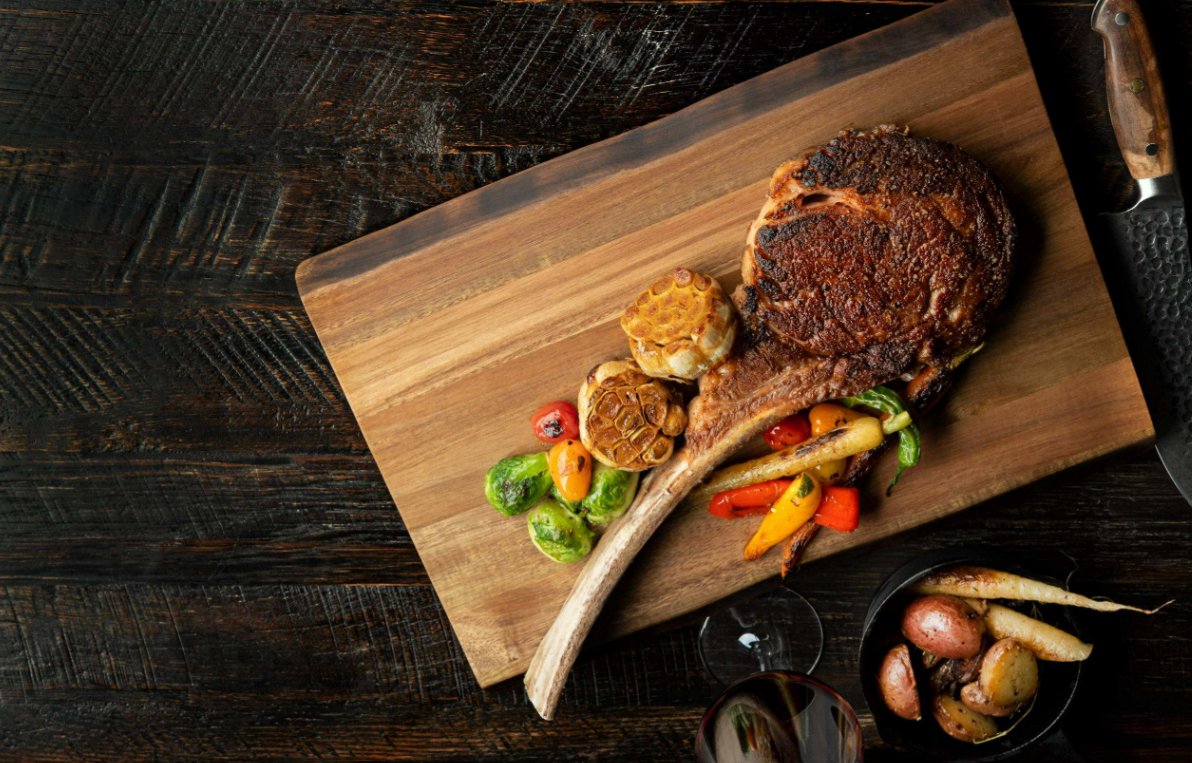
Place the slices beside the long bone on a serving platter to preserve the tomahawk’s signature look. Guests can appreciate the contrast between the richly marbled center and the flavorful ribeye cap as they choose their portions. Carve at the table if you want to make the presentation part of the evening.
Bring the Experience Home
Your first tomahawk purchase should feel exciting, not intimidating. Focus on the meat’s marbling and choose an aging style that matches your tastes. Then give yourself enough room and time to cook a thick ribeye with confidence.
The Linz Shop offers Linz Heritage Angus tomahawks with a program that traces beef back to the ranch. Compare the available selections and choose a steak that fits your next special dinner. With the right cut on the table, the long bone becomes more than a conversation starter. It becomes part of a meal worth remembering.