
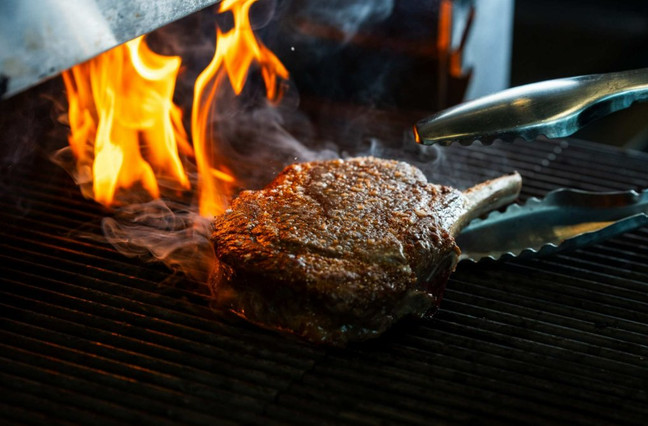
A great ribeye already brings plenty of presence to the table, but adding the bone changes the experience before the first bite. Two eye-catching options are the tomahawk and the cowboy ribeye. They come from the same part of the animal and share the rich character that makes ribeye popular.
The biggest difference is visible. Bone length changes the look and handling of each steak. Once you understand each cut, choosing between them becomes much easier. Here’s what sets apart a tomahawk and a cowboy ribeye.
The Ribeye
Both steaks begin with ribeye from the animal’s rib section. Ribeye earns its reputation for tenderness and intramuscular fat, which create a rich eating experience. Butchers leave the bone attached to both cuts, giving each steak a more substantial appearance than a boneless ribeye.
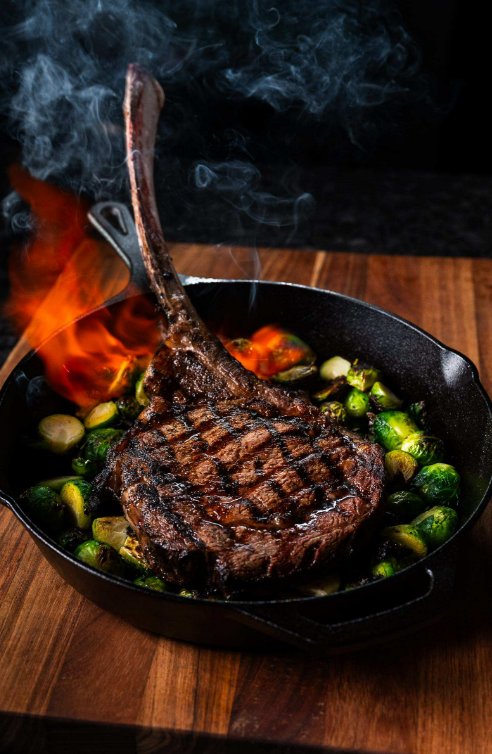
A tomahawk ribeye steak retains a much longer section of the rib bone. Butchers trim the meat and fat away from that exposed bone through a process called frenching. The finished steak gets its familiar long-handle shape.
A cowboy ribeye also retains a rib bone, but the butcher trims it much shorter. You still get the dramatic look of a bone-in steak without the extended handle that defines the tomahawk.
The Bone Creates the Difference
The easiest way to tell these steaks apart is by bone length. A tomahawk retains the full rib bone, while a cowboy ribeye uses a shorter frenched bone. The meat can look similar when both steaks come from comparable areas of the rib.
That long bone gives the tomahawk its signature visual impact. It extends beyond the meat, making it impressive on a cutting board or serving platter. The cowboy ribeye offers a more compact presentation while maintaining the bold appearance many people want in a bone-in cut.
Bone length doesn’t transform the ribeye into a different muscle. Quality and cooking technique play larger roles in the final eating experience.
Size Changes the Experience
Tomahawks often run larger because the extended bone adds weight and the steak itself usually comes in a thick cut. Some tomahawks can reach generous steakhouse-style portions, which makes them natural centerpieces for shared dinners. Their scale also gives cooks more meat to manage over the heat.
Cowboy ribeyes usually feel easier to handle at the grill and on the plate. The shorter bone takes up less space, and many butchers portion cowboy cuts for one very hungry steak lover or two people who plan to share.
Always check the listed weight before ordering either cut. The name alone won’t tell you how much edible beef you’ll receive because bone weight and portion size vary.
Presentation Favors the Tomahawk
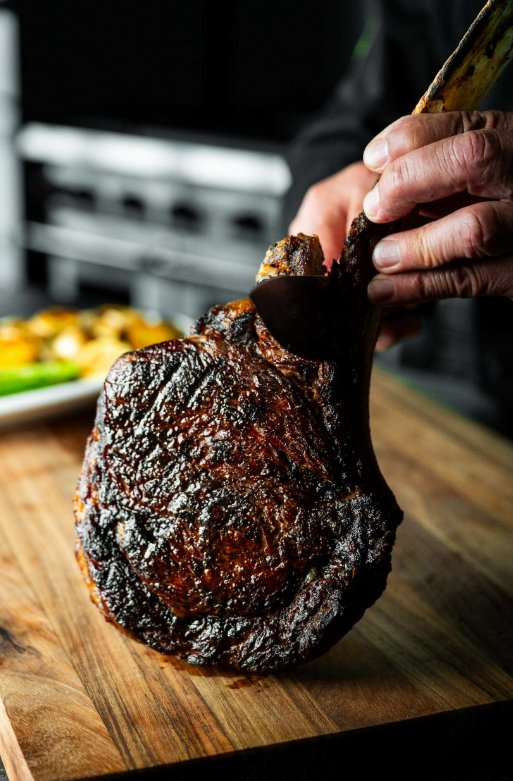
Few steaks create a visual entrance like a tomahawk. The long exposed bone gives the cut a dramatic silhouette that works well during a celebration or dinner where steak takes center stage. If presentation ranks high on your list, the tomahawk has a clear advantage.
That visual impact also makes the steak fun to carve at the table. You can bring out the whole cut after cooking, let it rest, and slice the meat away from the bone. The process turns dinner into more of an occasion.
A cowboy ribeye still looks impressive. Its shorter bone creates a classic steakhouse appearance without demanding as much grill space.
Cowboy Ribeye Keeps Things Compact
The cowboy ribeye makes a compelling choice for someone who wants a thick bone-in steak with fewer handling challenges. The shorter bone fits more easily inside many grills and ovens and is a more practical choice for home cooks with limited space.
You still get generous marbling and a tender bite when you cook the steak properly. You also get enough bone to create a striking presentation. The cowboy cut simply omits the extra length that makes a tomahawk so distinctive.
That practical size can make the cowboy ribeye feel better suited to a regular steak night. You can make the meal feel special without planning your cooking setup around an oversized cut.
Cooking Requires Some Planning
Both cuts often come thick, so high heat alone can make cooking difficult. A very hot grill can brown the outside quickly while the center still needs more time. Many cooks use a two-zone grill or combine lower heat with a final sear for better control.
The tomahawk’s long bone poses an additional logistical challenge. You need enough room for the entire steak to sit securely while you cook it. The cowboy ribeye offers more flexibility because the shorter bone fits more comfortably on common cooking surfaces.
Thickness plays a bigger role in cooking time than the cut name. Use an instant-read thermometer to track internal temperature, then let the steak rest before slicing.
Flavor Goes Beyond Bone Length
People sometimes assume the longer tomahawk bone creates a stronger beef flavor. The bone makes a major visual difference, but it doesn’t automatically give the tomahawk richer flavor than a comparable cowboy ribeye. Both steaks rely on the ribeye itself for most of their character.
Look closely at marbling and aging when you compare options. Those details tell you more about the eating experience than the length of the exposed bone. Dry-aged versions can also bring deeper nutty or earthy notes.
Seasoning doesn’t need to become complicated. A quality ribeye can stand confidently with Kosher salt that keeps the beef at the center of the meal.
Think About Value Differently
A tomahawk often carries a higher price because of its size and specialty trimming. Part of the total weight also comes from the long bone. Buyers who want more edible beef for their budget may prefer a shorter bone-in ribeye.
That doesn’t make the tomahawk a poor value. If you want an impressive centerpiece for a memorable dinner, the visual experience may justify the larger format.
The cowboy ribeye gives you much of the same ribeye character in a more practical package. It can appeal to people who care more about cooking convenience than spectacle.
Choose Based on the Occasion
Choose a tomahawk when you want dinner to feel like an event. Its long bone and generous size make an immediate impact. It works especially well when you plan to carve and share the steak at the table.
Choose a cowboy ribeye when you want the appeal of a bone-in ribeye with easier handling. The shorter bone saves space while preserving the bold look of the cut. It can fit naturally into special meals or elevated weeknight dinners.
Neither choice needs to win every comparison. The better steak depends on the experience you want to create.
Bring the Right Ribeye to the Table
Tomahawk and cowboy ribeyes share the same ribeye foundation, but their different bone lengths create two distinct dining experiences. The tomahawk leans into scale and presentation, while the cowboy ribeye keeps the same steakhouse spirit in a more compact form.
Before you order, think about your cooking setup and how many people you plan to feed. Then decide how much presentation you want from the cut itself. When you’re ready to choose a premium ribeye, The Linz Shop offers options built for steak lovers who want a memorable meal at home.