
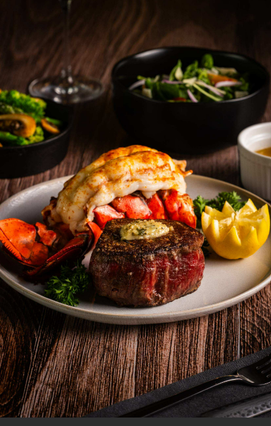
A great filet mignon brings together tenderness, refinement, and just enough richness for a memorable meal. Different sizes and butcher terms can complicate the choice. The weight, thickness, shape, and location within the tenderloin all influence how a filet cooks and how it fits the occasion. Once you understand those differences, you can choose each steak with greater confidence. This guide will help you understand filet mignon sizes and cuts.
Start With the Tenderloin
Filet mignon comes from the beef tenderloin, a long, narrow muscle that runs along the inside of the loin. This muscle performs very little work, so it develops less connective tissue than heavily used muscles. That structure gives filet mignon its signature tenderness.
The whole tenderloin changes shape from one end to the other. The thicker end offers broad portions, the center provides the most even shape, and the narrow end produces smaller steaks. Butchers use each section differently, so filets can look different at the same weight.
Size Means More Than Weight
Shoppers often compare filets by ounces, but weight tells only part of the story. Two filets can weigh the same while showing different widths and thicknesses. A wider steak may cook faster through the center, while a taller steak may need more time and careful temperature control.
Thickness often shapes the dining experience more than diameter. A thick filet develops a deeply browned exterior while keeping a generous rosy center. A thinner filet cooks quickly and suits anyone who prefers a more uniform level of doneness from edge to edge.
Petite Portions
A 4 oz. filet offers a refined portion for lighter appetites, multi-course dinners, or meals with generous side dishes. Its smaller size also works well when several courses share the spotlight. Because the steak carries less mass, it responds quickly to heat and requires close attention during cooking.
A 5 oz. or 6 oz. filet gives diners a little more room to enjoy the cut without creating an overly heavy plate. Many home cooks choose these sizes for weeknight dinners, intimate meals, or menus that include appetizers and dessert. These portions still deliver the tenderness people expect from filet mignon while keeping the meal balanced.
The Classic Eight-Ounce Cut
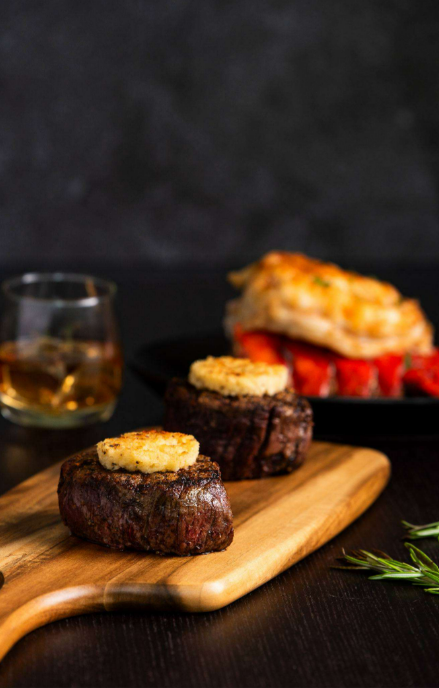
An 8 oz. filet mignon often hits the sweet spot between elegance and satisfaction. It provides enough thickness for a strong sear and a tender center without overwhelming the plate. Many steak lovers view this size as a classic individual portion alongside vegetables, potatoes, or salad.
This size also gives home cooks more flexibility. You can sear the steak in a heavy pan, finish it in the oven, or cook it over a controlled grill. The substantial shape supports a well-developed crust while leaving enough interior depth for precise doneness.
Larger Filets
A 10 oz. filet creates a more substantial steakhouse-style experience. It suits larger appetites and special occasions where the steak serves as the clear centerpiece. The extra weight often comes with added thickness, so the cook needs to manage heat carefully and allow enough time for the center to reach the desired temperature.
A 12 oz. filet delivers an especially generous presentation. Diners may share it or choose it for a celebratory meal. Large filets benefit from a steady approach that builds color on the exterior without rushing the interior.
Center-Cut Filets
The center section of the tenderloin produces the most uniform filets. These steaks often feature a round shape, consistent thickness, and balanced diameter. Their even form helps them cook predictably, which makes center-cut filets popular among experienced home cooks and professional chefs.
A center-cut filet also creates a polished presentation. The shape sits neatly on the plate and develops an even sear around the exterior. Shoppers often picture this compact, symmetrical cut when they imagine filet mignon.
Barrel-Cut Filets
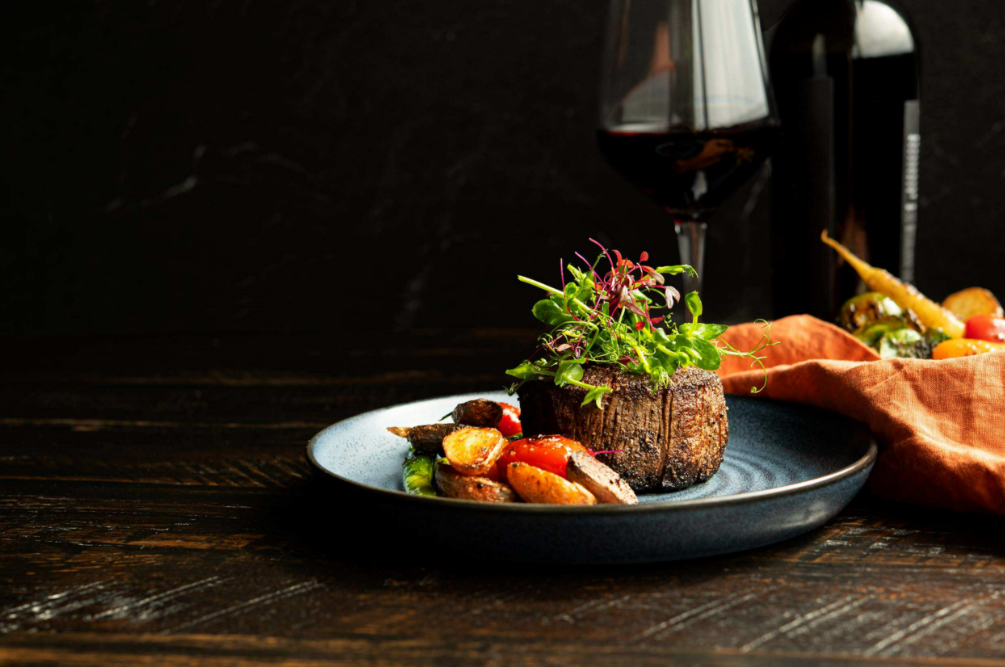
A barrel-cut filet features a thick, rounded profile with a tall center. Butchers trim and shape the steak to create a compact form that resembles a small barrel. This cut offers a dramatic presentation and a deep interior that supports a warm, tender center.
The added height calls for thoughtful cooking. High heat can build the crust, but moderate finishing heat gives the center time to cook evenly. A barrel-cut filet rewards patience because its shape creates a strong contrast between the browned exterior and the soft interior.
Petite Filets and Medallions
Butchers may cut petite filets from the narrower portions of the tenderloin. These steaks often weigh less and show a smaller diameter than center-cut selections. They work well for lighter meals, paired presentations, or dinners where guests want to sample more than one cut.
Some menus use the term medallions for small, round tenderloin steaks. Naming practices vary, so shoppers should compare weight, thickness, and product details. The visible dimensions often reveal more about cooking performance than the label.
Tenderloin Tails
The tapered end of the tenderloin produces thin, uneven pieces that butchers call tenderloin tails. These pieces remain tender, but their uneven shape doesn’t suit classic round filets. Cooks can slice them for quick preparations or fold and tie thicker sections for more even cooking.
Tenderloin tails give skilled home cooks a versatile option. Their smaller size supports fast cooking, and their tenderness suits meals that call for bite-sized pieces. The uneven shape simply requires more attention during portioning and heat control.
Chateaubriand and Roast Cuts
Butchers can leave the thick center of the tenderloin whole to create a roast commonly associated with chateaubriand. Rather than cutting the section into individual steaks, the butcher leaves it whole for roasting and slicing. This format works well for shared dinners because it creates several tender portions from one impressive centerpiece.
A tenderloin roast requires a different strategy than an individual filet. The cook browns the exterior, reaches the preferred center temperature, and rests the roast before slicing. Careful carving then reveals uniform portions with a tender texture throughout.
Choose by Occasion
The right filet size depends on the full menu, the appetite of each guest, and the experience you want to create. Smaller filets support multi-course meals, while 8 oz. selections offer a classic balance. Larger filets create a bold centerpiece and invite a slower, more indulgent dinner.
Shape also deserves attention. Choose center-cut steaks when you want consistency and easy timing. Choose barrel cuts when presentation and a thick center lead the plan. Select petite filets when portion control or menu variety takes priority.
Compare Thickness Carefully
Online shoppers should review more than the listed weight. Product photos, dimensions, and descriptions reveal how the steak may look in the pan and on the plate. The Linz Shop gives shoppers useful details.
The Linz Shop focuses on consistency, craftsmanship, and Genuine Black Angus. Compare each size with your preferred cooking method and serving style. That approach helps you choose a steak that matches both your kitchen and your expectations.
Make Every Filet Count
To truly understand filet mignon sizes and cuts, it helps to look beyond the name and into the steak’s subtle variations. From weight that shapes portion size to thickness and tenderloin position that influence cooking and presentation, every detail changes the experience. Center cuts, barrel cuts, petite filets, and larger roast portions each bring their own personality to the table, offering a range of textures and serving styles that can elevate everything from an intimate dinner to a celebratory feast.
A thoughtful choice starts with the meal you want to serve. Consider the number of courses, the appetite at the table, and the level of doneness you plan to achieve. With the right size and cut, filet mignon can turn a familiar dinner into a polished occasion worth savoring.