
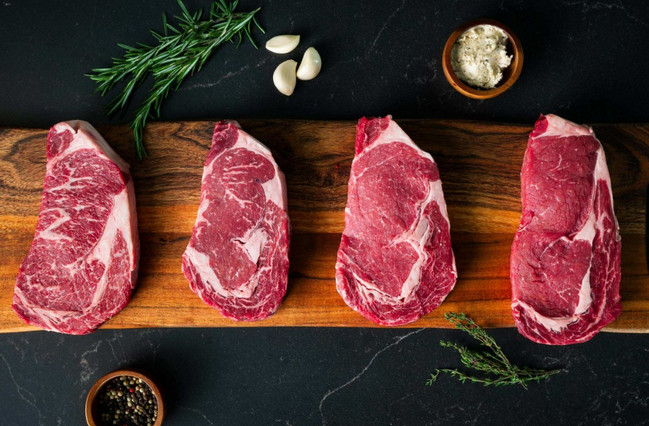
Two ribeyes can look equally inviting in the butcher case, yet carry different grade labels and price tags. If you already appreciate good beef, those differences merit a closer look. USDA grading provides a common language for comparing quality, but the label doesn’t tell you everything about the steak on your plate.
Understanding USDA beef grade and quality helps you shop with purpose. You’ll recognize when higher marbling suits your plans and when the cut deserves more attention than the grade.
What Grading Measures
The United States Department of Agriculture uses quality grades to describe the expected eating characteristics of beef. Graders consider traits that influence juiciness and flavor, with particular attention to marbling and carcass maturity. The system provides buyers with a common standard rather than leaving each producer to define premium.
Quality grading also differs from safety inspection. Federal inspection checks meat for wholesomeness, while producers choose whether to request USDA grading and pay for that service. A quality grade tells you about anticipated eating characteristics, not whether one steak passed a higher food safety standard than another.
How the Process Works
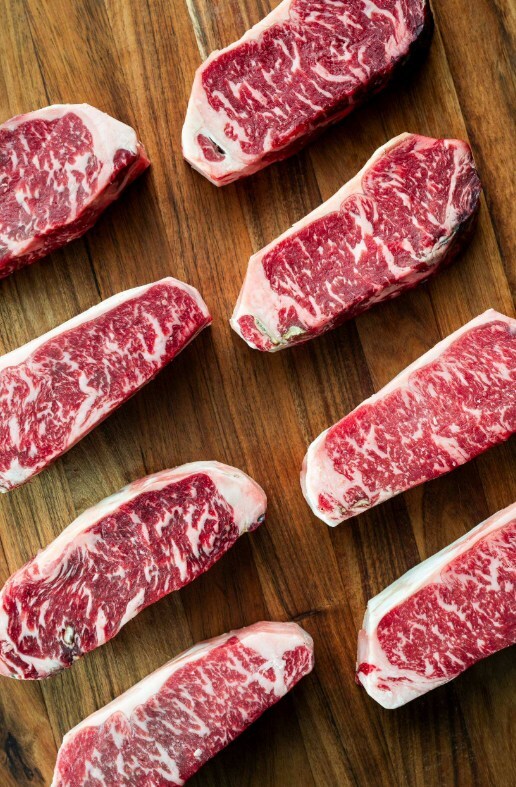
Graders evaluate the ribeye muscle at the point where the carcass separates between the twelfth and thirteenth ribs. They examine the amount of intramuscular fat and assess maturity through characteristics of the carcass. That evaluation establishes a quality grade for the carcass, not a separate score for every steak.
The distinction explains why two cuts with the same grade may look different. A tenderloin naturally carries less visible fat than a ribeye. Both can come from the same Prime carcass while offering noticeably different textures at dinner.
Why Marbling Counts
Marbling refers to the fine streaks of fat running through muscle. During cooking, that fat contributes richness and a satisfying mouthfeel. More marbling generally supports a juicier eating experience, particularly in cuts that already have a bold beef flavor.
Still, marbling isn’t a substitute for thoughtful preparation. Heat affects the proteins in every steak, and excessive cooking can leave even premium beef dry. Treat the grade as useful information about the raw product, then give the cut the attention it deserves in your kitchen.
The Appeal of Prime
USDA Prime represents the highest widely available beef quality grade. Its abundant marbling gives steaks a generous richness that especially suits ribeye and New York strip. If you enjoy a pronounced beef flavor and a luxurious bite, Prime offers a compelling starting point.
Prime often commands a higher price because its marbling meets a more demanding standard. The premium can make sense when the steak takes center stage at an anniversary dinner or holiday gathering. You don’t need elaborate additions to appreciate its character. Careful seasoning and controlled heat let the beef do the work.
Choice Still Delivers
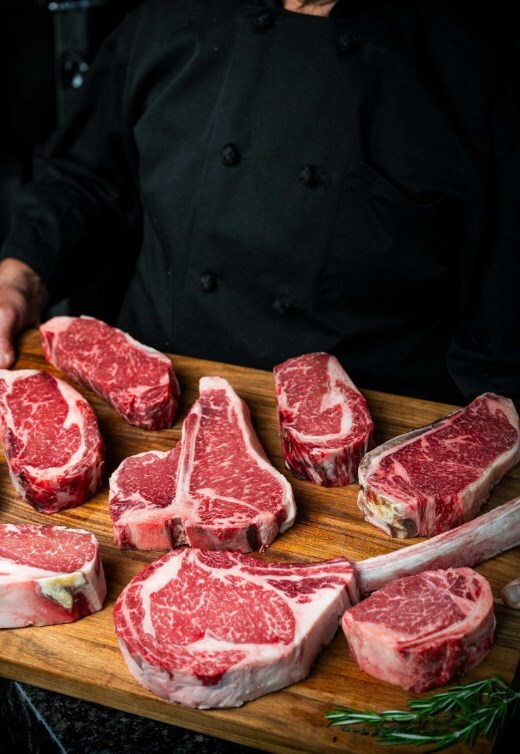
USDA Choice also represents high-quality beef, though its marbling falls below Prime. The category covers a meaningful range, so not every Choice steak looks or eats exactly alike. That variety helps explain why experienced buyers compare products beyond the grade printed on the package.
Choice cuts from the rib and loin can offer excellent tenderness and robust flavor. A carefully selected Choice strip steak may suit your preferences better than a different cut carrying a Prime label. Consider the particular muscle and the type of dinner you want to serve before treating grade as the final word.
Where Reserve Fits
Some sellers distinguish the more heavily marbled portion of Choice through their own premium programs. The Linz Shop groups hand-selected beef from the upper two-thirds of Choice under its LHA Reserve label. Reserve isn’t a separate USDA quality grade. It identifies a narrower selection within the established Choice category.
That distinction provides shoppers with a useful comparison. USDA Prime offers the most marbling among the familiar retail grades, while LHA Reserve offers an elevated Choice option for cooks who appreciate a balance of richness and structure. Both reflect the Linz Heritage Angus program’s emphasis on consistent beef quality.
Grade Versus Cut
A USDA grade doesn’t erase a cut’s natural anatomy. Filet mignon comes from a muscle that does relatively little work, giving it exceptional tenderness even with modest marbling. Ribeye brings a richer sensation because its muscle structure and fat distribution differ.
Think about the experience you want. Choose a filet when tenderness leads your decision, or reach for a highly marbled ribeye when you crave richness. Grade helps refine either choice, but it can’t turn two different muscles into the same steak.
Aging Is Separate
Maturity in the grading process refers to characteristics of the animal at harvest. Aging refers to the controlled period that follows harvest, when natural enzymes help tenderize beef. Shoppers sometimes confuse the two because both involve time, but they serve different purposes.
Wet aging develops tenderness while beef rests under refrigeration in vacuum packaging. Dry aging can concentrate flavor and introduce nutty or earthy notes as moisture gradually evaporates. Neither process changes the carcass’s original USDA quality grade, so consider aging information alongside the label.
Quality Versus Yield
The USDA also uses yield grades in the beef industry, but they answer a different question. A yield grade estimates how much closely trimmed, boneless retail meat a carcass will produce. It doesn’t tell you how rich your ribeye will taste.
For a home cook, the quality grade usually offers more relevant information than the yield grade. Knowing the distinction helps you interpret industry terminology without mistaking a production measurement for a promise about dinner.
Shop With Confidence
You don’t have to compare online steak delivery options. All you need is The Linz Shop. We’re a transparent seller that will help you distinguish a Prime ribeye from a Reserve ribeye before you reach checkout.
Make the Grade Work for You
Understanding USDA beef grades and quality gives you a reliable starting point for selecting premium steaks, but personal preference still plays an important role. Prime may offer the marbling you want for a centerpiece ribeye, while high Choice can make an excellent option for a carefully planned family dinner. The best selection reflects the cut you enjoy and the way you like to cook it.
Explore the 100% genuine Black Angus beef at The Linz Shop when you’re ready to put that knowledge to work. Choose the grade that suits your palate, then let the steak’s natural qualities lead the meal.