
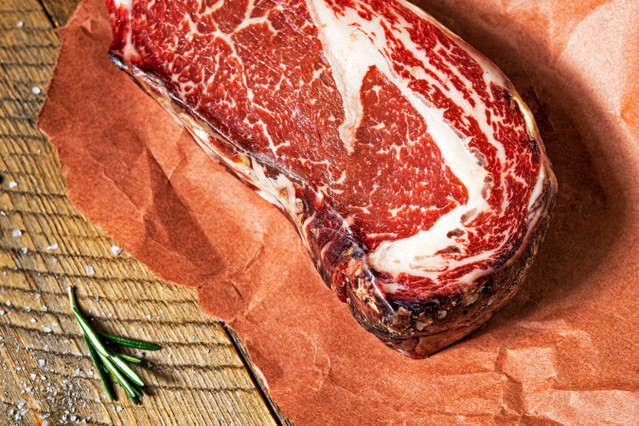
Prime steak already sits at the top of the grading scale, so it can seem like there is nowhere left to go. Dry aging proves otherwise. The process takes a great piece of beef and turns it into something with more depth, more texture, and a more pronounced flavor. Let’s explore the many ways that dry-aged beef is different from traditional prime steaks and why the difference is worth seeking out.
What Happens During the Dry-Aging Process
A regular Prime steak reaches your kitchen soon after processing. Dry-aged beef, on the other hand, spends several weeks in a temperature- and humidity-controlled room before it is ready.
During this time, the beef undergoes subtle but important changes that dramatically enhance its complexity and character. The careful aging process allows flavors to mature, creating a steak with both a robust depth and delicate notes that simply can’t be found in other cuts.
The steak rests uncovered in a humidity- and temperature-controlled environment, where naturally occurring enzymes gradually soften the muscle fibers and deepen the flavor. Nothing gets injected or added along the way. Time, airflow, and controlled conditions do all the work, slowly turning the beef into something richer and more tender.
Moisture Leaves, Flavor Concentrates
As the beef ages, its exterior slowly loses moisture. That loss concentrates the flavor inside, giving the steak a deeper, more pronounced taste than it had at the start. Over time, the beef develops the nutty, woodsy notes that dry aging is known for, but those flavors don't appear all at once.
They build gradually, which is why the aging room has to be monitored so closely. Pull the beef too soon, and the flavor may barely change. Leave it too long under the wrong conditions, and the cut can lose more quality than it gains.
During that process, the outside of the beef forms a dark, dry crust. Butchers trim that layer away before the steak is portioned, leaving behind the tender, concentrated meat underneath.
The breakdown of the enzymes within the meat itself shrinks the piece of beef due to the evaporation of water inside the muscle tissue. A regular Prime steak doesn't go through the same process, so its flavor stays closer to that of fresh beef. It never develops the earthy depth that comes from weeks of careful aging.
Where Traditional Prime Steaks Stand Apart
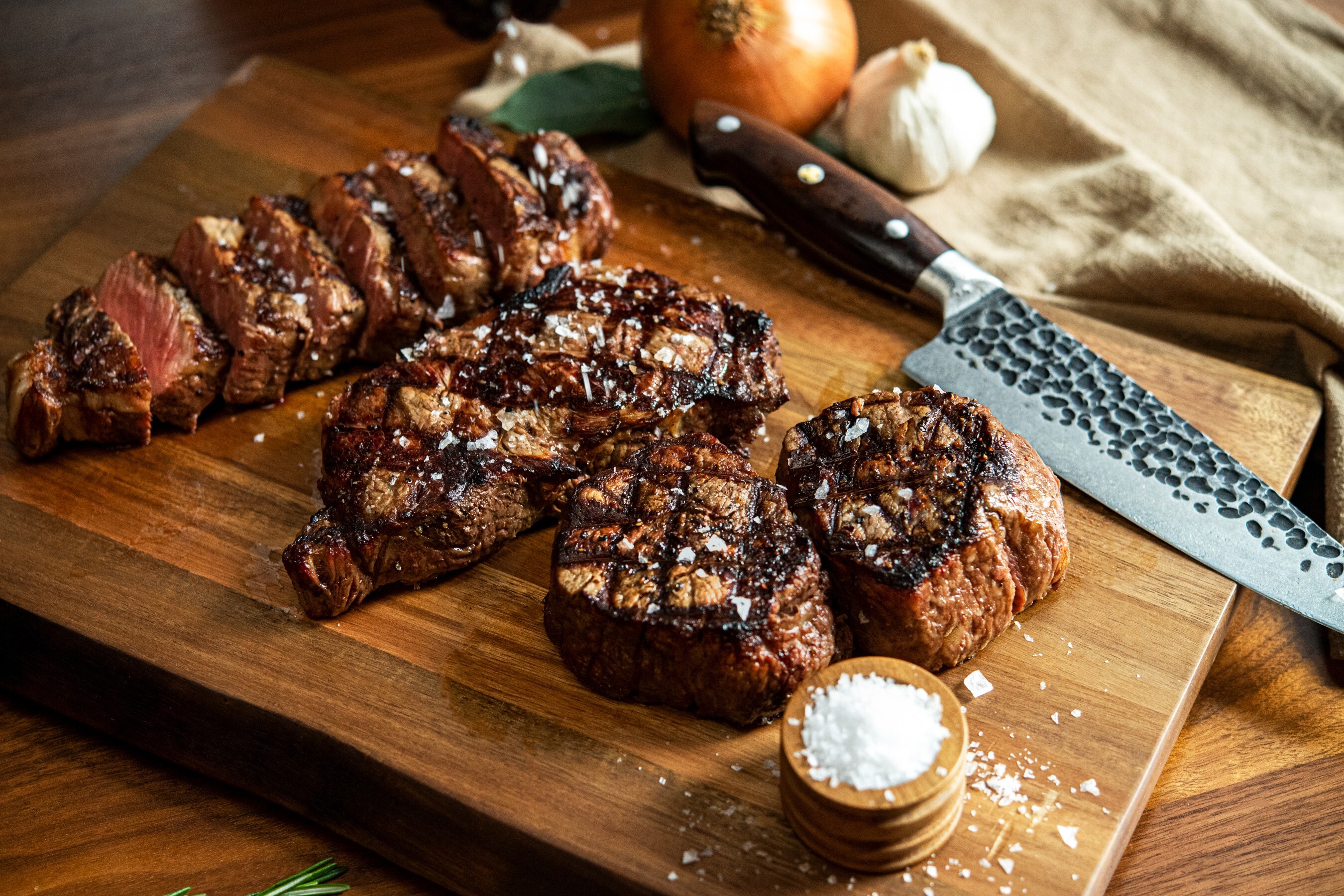
Prime grading assesses marbling, fat distribution, and the animal's age at harvest. It says nothing about what happens to the beef after that grade gets assigned.
Most prime steaks go straight from processing into vacuum-sealed packaging, where they stay moist and ready for the case or the freezer. This method works well and keeps beef fresh, but it doesn’t build the deep, earthy character that dry aging creates.
Because the beef remains sealed in its own juices, the flavor profile stays clean and true to the original cut, without the added complexity of aged meat. For those who value a straightforward, classic steak flavor and consistent tenderness, prime steaks handled this way deliver a satisfying, familiar eating experience.
Wet Aging Builds the Foundation
At Meats by Linz, wet aging begins the aging process for every beef product. After harvest, the beef enters a vacuum-sealed bag and rests at a controlled, low temperature above freezing. Natural enzymes break down connective tissue, developing tenderness and flavor before selected cuts move into the dry-aging room. Several details show how the two stages work together:
- Every Meats by Linz beef product begins with wet aging, including cuts that will later undergo dry aging.
- Wet aging occurs in a vacuum-sealed bag, while dry aging exposes selected cuts to circulating air.
- Wet aging lasts for a minimum of 28 days and may continue for several weeks, 85 days, or beyond.
- Wet aging retains moisture, while dry aging uses controlled airflow, humidity, and temperature to concentrate flavor.
Both stages require close attention, precise conditions, and patience. Wet aging creates the foundation by gradually improving tenderness and flavor inside the sealed bag. Dry aging then gives selected ribeyes, striploins, short loins, and other cuts greater concentration and character. At The Linz Shop, generations of butchering experience guide each stage, allowing the team to meet exact aging specifications and produce steaks with dependable tenderness, rich flavor, and a distinctive finished profile.
What You'll Notice on the Plate
Once the steak hits the pan, the differences become obvious fast. A dry-aged cut sears with a deeper, almost roasted aroma before the surface browns. The interior carries a richer, more concentrated beef flavor, and many people describe notes of toasted nuts or aged cheese layered beneath the beef itself. A traditional prime steak still tastes amazing, but the flavor reads cleaner and more straightforward, without those extra layers.
Texture, Crust, and Depth of Flavor
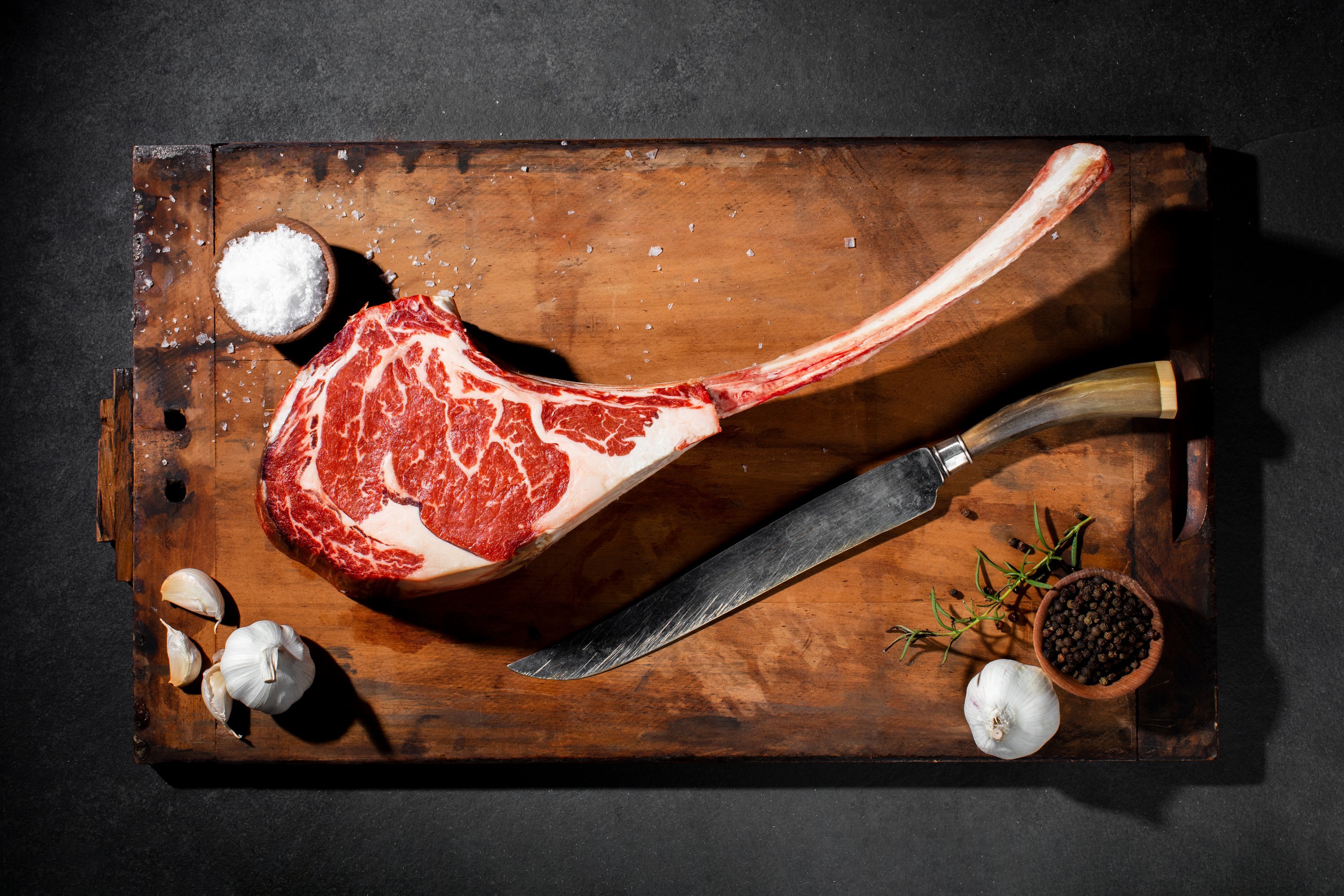
Dry aging changes the texture as well as the flavor. As naturally occurring enzymes break down the connective tissue, the meat becomes more tender, including cuts that already start out soft. The drier surface also develops a firmer crust in a hot pan or on the grill because there is less moisture to create steam and interfere with the sear.
Keep the seasoning simple, brush the steak lightly with olive or avocado oil, and let the heat build the crust. A regular Prime steak can develop a great crust too, though you may need to pat the surface dry before it goes into the pan or onto the grill.
A Cut Above the Rest
Choosing prime-aged beef means starting with a steak known for generous marbling and rich flavor. Aging takes that quality a step further by giving the beef time to become more tender and develop deeper character. Regular beef offers the rich flavor and tenderness the grade is known for, while dry-aged beef brings an additional layer of depth and character developed over time.
Neither option disappoints at the table, and knowing the difference simply means you can choose with intention instead of guessing. Once you understand how dry-aged beef differs from regular Prime steak, it becomes easier to appreciate what those extra weeks of aging bring to the flavor and texture.