
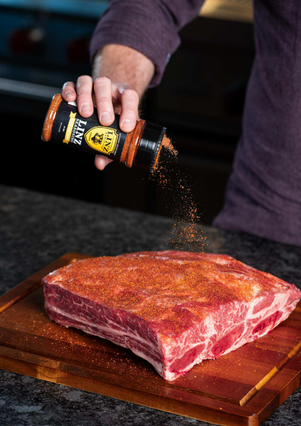
Two steaks can look nearly identical in the package yet deliver markedly different experiences at dinner. One offers a deep, lingering beef flavor and a tender bite. The other tastes pleasant but lacks the same richness. Your skillet plays a role, but much of that difference takes shape long before the steak reaches your kitchen.
Knowing why steaks differ helps you choose the right cut and cook it to its strengths. Continue reading to discover what affects steak flavor and tenderness.
Start With the Muscle
A steak’s location on the animal determines much of its natural texture. Muscles that handle frequent movement develop more connective tissue, which creates a firmer chew. Muscles that do less work generally offer a more tender bite.
Filet mignon comes from the tenderloin, so it offers exceptional tenderness without needing heavy marbling. Ribeye delivers a different experience, combining tenderness with generous fat throughout the muscle. Their differences help you select your preferred texture.
Connective Tissue Counts
Muscle fibers aren’t the only structures that influence tenderness. Collagen, a protein in connective tissue, helps hold muscle together. Cuts with more tough collagen resist a quick bite, even when they show attractive marbling.
Short, high-heat cooking suits naturally tender steaks because it develops surface flavor without requiring hours to soften connective tissue. Tougher cuts often benefit from slower cooking that gives collagen time to break down. Choose cooking methods that respect each cut’s anatomy.
Marbling Adds Richness
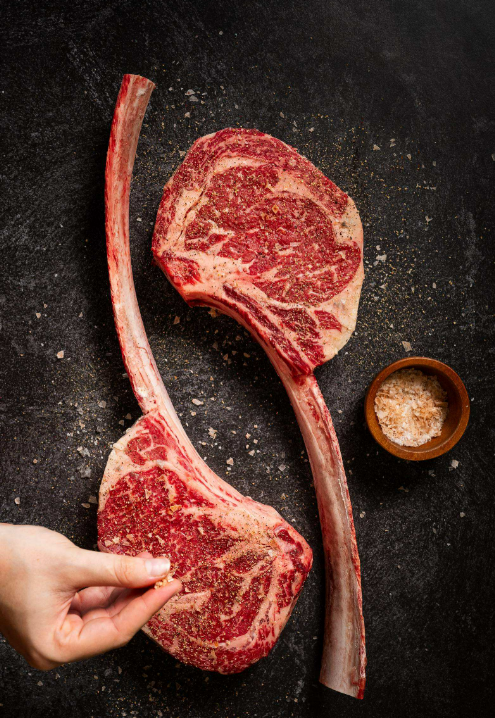
Fine streaks of intramuscular fat create the marbling you see in a raw steak. As the steak heats, that fat contributes to its full flavor and satisfying mouthfeel. A well-marbled ribeye often tastes richer than a lean tenderloin, even when both come from excellent cattle.
Marbling also supports the perception of juiciness, but it doesn’t erase differences in muscle structure. Look for thin streaks running through the meat rather than judging quality solely by a thick strip of exterior fat. Fat distribution shapes each bite.
Genetics Shape Consistency
Great beef begins with deliberate choices about cattle. Genetics influence traits such as marbling potential, while nutrition and animal management help determine how those traits develop. Producers who pay attention to these stages can pursue a more consistent finished product.
The Linz Shop draws on the Linz Heritage Angus program, which follow genuine Black Angus beef from its breeding origins through processing. Traceability offers more than a generic quality claim. When you find a source that repeatedly delivers the texture you prefer, planning dinner becomes much easier.
Aging Develops Tenderness
Aging changes beef after harvest without requiring additional ingredients. During controlled refrigerated storage, naturally occurring enzymes gradually weaken structures within the muscle. This process can produce a more tender steak before you ever turn on the heat.
Aging won’t transform heavily worked muscle into tenderloin, and more time doesn’t automatically improve beef. Careful temperature control and a thoughtful aging period help producers develop the qualities they want while protecting the beef.
Wet and Dry Aging
The aging method also influences flavor. Wet aging keeps beef in vacuum-sealed packaging under refrigeration, limiting moisture loss and preserving a clean, beef-forward character. It appeals to cooks who want the cut’s natural flavor to remain front and center.
Dry aging places larger cuts in a carefully controlled environment where moisture gradually evaporates. The resulting concentration can bring nutty or earthy notes that distinguish the steak from its wet-aged counterpart.
Grade Isn’t Everything
When you shop for prime-aged beef, remember that grade and aging describe different qualities. Prime refers to a high level of marbling, while aging describes what happens during controlled storage after harvest. A steak can offer abundant marbling without extensive aging or develop appealing tenderness through aging without achieving the same level of marbling.
Consider both details together. If you love richness, marbling may guide your decision. If you prefer a particular flavor character, the aging method may influence your choice more strongly. The right combination depends on what you want to taste.
Thickness Changes Control
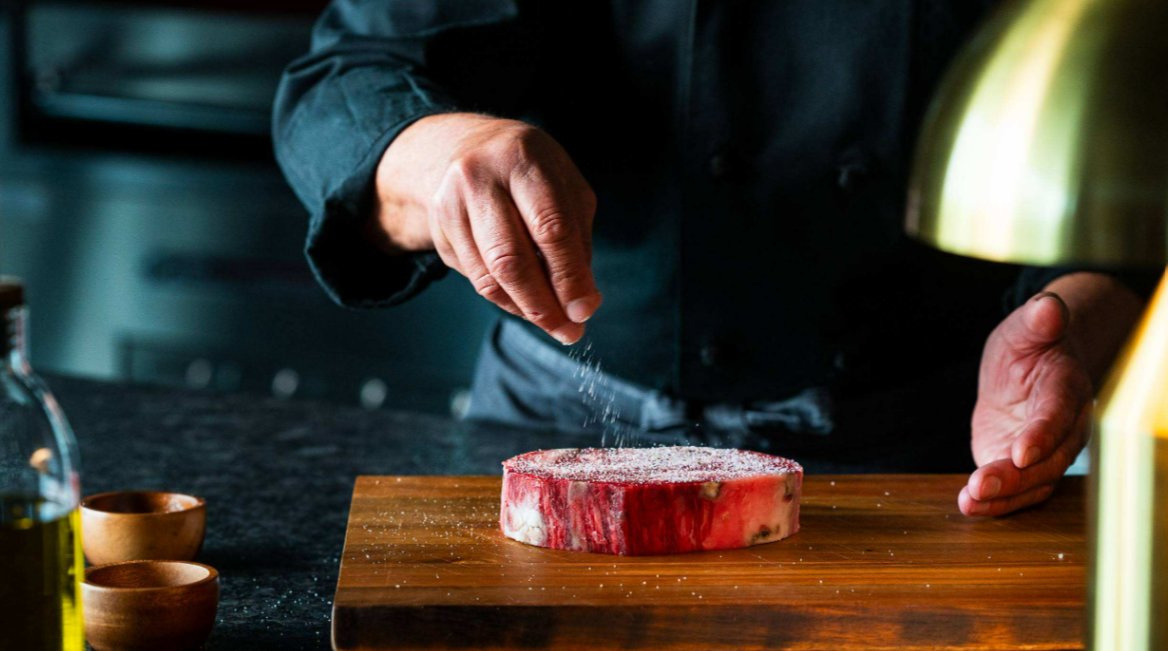
A butcher’s cutting decisions affect how much flexibility you have at the stove. Thin steaks cook quickly, leaving less time to build a pronounced crust before the center passes your preferred doneness. Thicker cuts give you more room to manage the exterior and interior separately.
Thickness doesn’t improve the underlying beef, but it changes your ability to showcase it. Compare steak dimensions alongside weight, especially when ordering for a specific cooking method. Careful portioning makes timing more predictable.
Storage Protects Quality
Even excellent beef needs careful handling between delivery and dinner. Quality packaging limits exposure to air, while prompt freezing helps preserve the steak until you’re ready to cook. Long storage or damaged packaging can undermine the flavor you paid for.
When you’re ready to prepare frozen steaks, thaw them gradually in the refrigerator. Keep them cold until cooking time and follow the seller’s storage guidance. Good handling protects the steak’s natural qualities.
Browning Builds Flavor
A steak develops much of its savory aroma as its surface browns. Heat triggers reactions between amino acids and sugars, creating the complex flavors we associate with a beautifully seared crust. Surface moisture can slow browning, so pat the steak dry before it hits the pan.
Use a hot cooking surface and give the meat enough contact to form a crust. The goal isn’t to char the outside while neglecting the center. Good heat management builds flavor without sacrificing the texture you chose the steak for in the first place.
Doneness Affects the Bite
Internal temperature changes the way muscle proteins behave. As heat rises, those proteins tighten and release moisture, which can make a steak feel firmer. A tender cut can lose some of its appeal when you cook it beyond the doneness you enjoy.
A thermometer removes guesswork. Check the thickest part and allow for carryover cooking while following safe temperature guidance. A filet and a heavily marbled ribeye may taste best to you at different doneness levels, so let the cut inform your approach.
Finish With Intention
Salt heightens the beef’s natural flavor. After cooking, let the steak rest briefly before you carve. The pause also simplifies serving several portions. Keep seasoning focused so you can appreciate the quality of the meat itself.
Pay attention to the direction of the muscle fibers when slicing. Cutting across the grain shortens the fibers in each bite, which can improve the eating experience, especially with firmer cuts. The final knife stroke deserves as much thought as the first sear.
A Better Steak Starts Earlier
Understanding what affects steak flavor and tenderness starts with choices throughout the process, from cattle genetics to your final cooking temperature. Once you recognize how cut selection and aging influence beef, you can shop with a clearer sense of what each steak offers.
Explore the premium genuine Black Angus beef cuts at The Linz Shop to find the combination of marbling and flavor that suits your palate. Choose thoughtfully, cook with care, and let the quality of the beef speak for itself.