
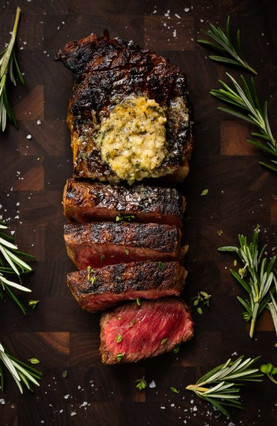
A steak can look impressive in the butcher case yet still fall short on the plate. Great beef starts with more than size or a deep red color. The cut, marbling, aging, thickness, and handling all shape the experience from the first sear to the final bite.
For home cooks already comfortable with a cast-iron skillet or grill, the next step is learning to spot the details that separate a good steak from a memorable one. Once you know what to look for, you can shop with more confidence and cook with a clearer sense of what the beef needs. Check out what makes a great New York strip steak.
It Starts With the Cut
Butchers cut a New York Strip from the short loin, an area that yields naturally tender beef with a firm, satisfying bite. Because the muscle in this part of the animal does relatively little work, the steak delivers tenderness without sacrificing the hearty texture that many steak lovers want.
That balance gives the strip its distinct appeal. Filet mignon leans softer, while ribeye often carries more internal fat. A strip lands between those experiences with a strong beef flavor and enough structure to hold up well over high heat.
Look at the Marbling
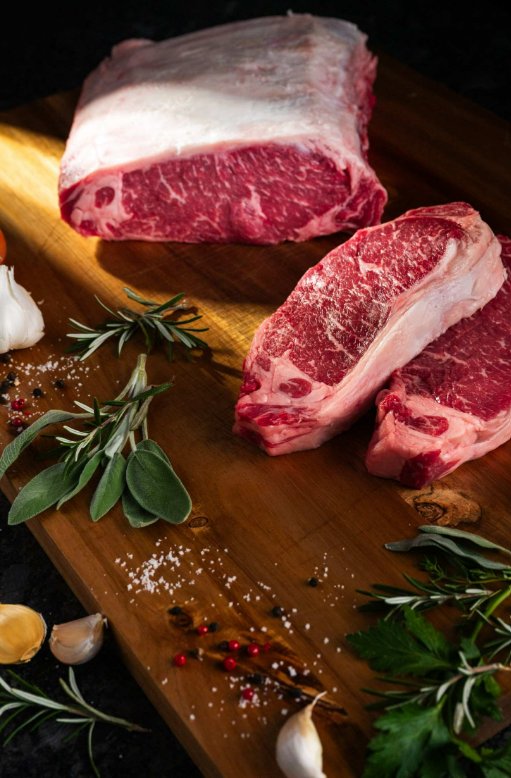
Marbling plays a major role in how a strip steak cooks and tastes. Thin streaks of intramuscular fat melt as the steak heats, adding richness while helping the interior stay juicy.
More marbling doesn’t automatically make every steak better, though. Distribution counts just as much as quantity. Fine, even flecks throughout the muscle usually yield a more consistent bite than large pockets of fat concentrated in one area.
When you compare steaks, look across the entire cut rather than focusing on a single, especially marbled section. Consistency from edge to edge gives you a better sense of how the steak will perform in the pan or on the grill.
Check the Fat Cap
Many strip steaks carry a band of fat along one edge. That fat cap can add flavor during cooking, especially when you render the edge against a hot cooking surface before laying the steak flat.
A good trim leaves enough fat to contribute richness without overwhelming the portion. An excessively thick edge can leave you paying for fat that never fully renders, while an overly aggressive trim can remove part of the cut’s character.
Home cooks can also use the fat cap as a visual clue. A clean, even edge usually reflects careful fabrication and gives the steak a polished appearance before cooking starts.
Pay Attention to Thickness
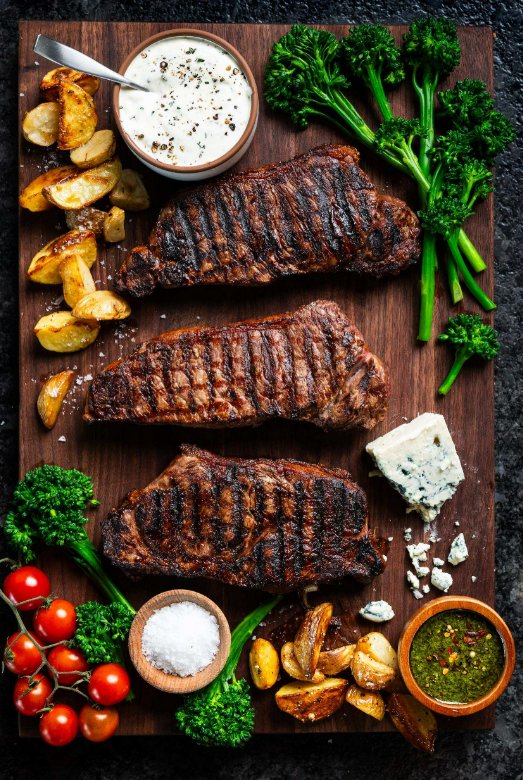
Thickness affects how much control you have during cooking. A thin steak can go from rare to well done quickly, leaving less room for a deep crust and an evenly cooked center.
A thicker New York strip gives you more flexibility. You can build strong surface browning while keeping the center at your preferred doneness, especially when you manage heat carefully.
Thickness also affects how you rest and slice the steak. A substantial cut retains heat longer, so a short rest helps the juices settle before you cut across the grain.
Understand Aging
Aging helps beef develop tenderness and deeper flavor before it reaches your kitchen. Wet aging lets beef rest in vacuum-sealed packaging under refrigeration, while dry aging exposes larger cuts to carefully controlled air, temperature, and humidity.
Each process produces a different result. Wet-aged beef tends to retain a clean, familiar beef flavor, while dry-aged beef can develop nutty or earthy notes with greater concentration.
Aging requires skill because timing determines the final character of the steak. When a producer manages the process carefully, aging can add complexity without overpowering the beef’s natural flavor.
Consider the Source
A great steak begins long before anyone heats a skillet. Genetics, feeding practices, animal care, processing, and aging all influence the consistency of the steak that reaches your plate.
For experienced buyers, traceability can provide useful context. Knowing where beef comes from and how a producer manages each stage can help you understand why one steak delivers reliable quality order after order.
The Linz Shop focuses on a vertically integrated beef program that follows cattle from genetics through processing and delivery. That level of control supports consistency, which becomes especially valuable when you want premium steaks to perform predictably at home.
Judge More Than Color
Many shoppers use color as their first quality check, but color can’t tell the whole story. Exposure to oxygen can change the surface appearance of beef, and packaging can affect how bright or dark a steak looks.
Instead, consider the cut as a whole. Look at marbling, thickness, trim, and the meat’s overall condition because those details tell you far more about the eating experience than a single shade of red.
When buying frozen premium beef, appearance before thawing also gives you limited information. Product quality depends more on how producers handle the steak during aging, cutting, packaging, and storage.
Think About Texture
Raw texture can reveal useful clues when you handle a steak at home. The surface should feel firm rather than mushy, and the muscle fibers should look tight and well-defined.
After cooking, a high-quality strip should offer resistance without turning chewy. That firm tenderness creates one of the cut’s signature traits and separates it from softer steaks such as filet mignon.
Slicing technique can improve that texture further. Cut across the grain with a sharp knife, and keep the slices thick enough to preserve the steak’s juiciness.
Match the Steak to High Heat
The strip responds well to high-heat cooking because its broad surface takes on a deep crust while the interior stays tender. Cast iron and a hot grill both give you the direct heat needed to develop strong browning.
Pat the surface dry before cooking, season it to your preference, and give the steak enough room to make full contact with the cooking surface. If you crowd the pan or if you make the grill too cold, you can lose some of that crust.
You can also render the fat edge first. Hold the steak upright with tongs for a short period, then cook the broad sides until the center reaches your preferred doneness.
Let Quality Lead
Premium beef doesn’t need complicated extras to deliver a strong result. Good seasoning and controlled heat let the steak’s natural flavor stay at the center of the meal.
That approach also makes quality easier to recognize. When you don’t cover the steak with heavy sauces or elaborate toppings, you can taste the marbling, aging, and beef flavor more clearly.
A carefully chosen strip rewards restraint. Give the meat proper heat and enough resting time, then let the cut speak for itself.
Choose With Confidence
A great strip steak brings several qualities together rather than relying on one impressive feature. Look for even marbling, thoughtful trimming, useful thickness, and the type of aging that fits your flavor preference.
When you’re ready to bring steakhouse-quality beef into your own kitchen, The Linz Shop offers premium cuts for cooks who already appreciate what great beef can do. Start with quality, cook with intention, and let the steak deliver the rest.