
Great steak and a thoughtfully chosen wine can turn dinner into an occasion. Yet the most satisfying pairings rarely come from picking the biggest red on the shelf. A delicate filet calls for a different approach than a richly marbled ribeye, and a porterhouse presents its own balancing act.
Texture and flavor make wine selection easier. You don’t need a cellar or a sommelier. Recognize each cut’s character and choose a complementary wine. These are the best wine pairings for different cuts of steak.
Pick Your Cut
Match the wine’s weight to the steak’s intensity. Marbling adds richness, while leaner cuts let more subtle beef flavors shine. Full-bodied wines with firm tannins often pair more harmoniously with richly marbled steaks than with delicate filets. Rich beef can soften the drying sensation tannins leave on your palate.
Acidity also shapes the experience. A lively wine refreshes the palate between bites, especially when you serve beef with a well-seared crust. The best pairings let the steak and wine shine.
Filet Mignon and Pinot Noir
Filet mignon earns its reputation through exceptionally tender texture, not heavy marbling. A massive, tannic red can overshadow its gentle flavor, so start with Pinot Noir. Look for bright red-berry notes and restrained oak, perhaps in an Oregon Pinot Noir or red Burgundy.
Pinot’s freshness complements filet without stealing the spotlight. If you prefer a fuller pour, try a supple Merlot with soft tannins. Keep the steak’s seasoning simple, and you’ll notice how its natural flavor comes through alongside either wine. It’s an elegant choice for anniversaries.
Ribeye and Cabernet Sauvignon
A ribeye delivers the richness that makes steak lovers pause after the first bite. Its generous marbling supports a wine with substantial body and firm structure. Cabernet Sauvignon rises to the occasion with dark-fruit depth and tannins that balance the steak’s juicy character.
California Cabernet offers ripe fruit alongside a deeply browned crust. A Cabernet-led Bordeaux blend offers a more savory profile. Choose a wine with enough presence to stand beside the beef, not one that buries its flavor under excessive oak.
New York Strip and Tempranillo
New York strip occupies a delicious middle ground. It offers a satisfying chew and pronounced beef flavor, yet it typically carries less internal marbling than ribeye. That combination welcomes a red with lively acidity and moderate tannins. A pronounced sear can make the savory notes of a good Rioja even more appealing.
Tempranillo from Rioja makes an excellent pairing. Its cherry fruit and savory character complement a well-seared strip without overpowering it. Choose Rioja Crianza for brightness or Reserva for more developed notes. A structured Cabernet Franc can also work beautifully, especially when you keep the seasoning restrained.
Porterhouse and Red Blends
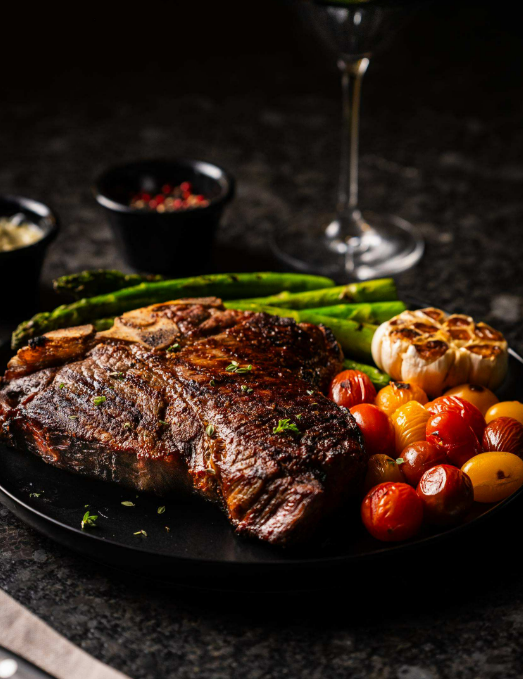
A porterhouse presents an interesting challenge because one steak delivers two different textures. The strip side offers pronounced beef flavor, while the tenderloin side brings a softer bite. A balanced red blend can bridge both experiences without favoring one side too heavily. An exceptionally aggressive red, however, can overshadow the tenderloin.
Look for a Merlot-led Bordeaux blend with enough structure for the strip and a rounded texture for the filet. If you’re planning porterhouse steak delivery for a celebratory dinner, The Linz Shop offers a selection worth exploring. Choose wine for both portions, then carve the steak so guests can appreciate their contrast.
Tomahawk and Syrah
A tomahawk brings the ribeye’s marbling to the table with the visual drama of a long bone. Its bold character welcomes a wine that can meet the richness without losing its own identity. Syrah delivers dark fruit and savory pepper notes that suit a steak with a flavorful grilled crust.
Northern Rhône Syrah often brings an earthy edge that complements the beef beautifully. Australian Shiraz offers a riper, fruit-forward approach if you prefer a more generous style. Both offer compelling alternatives to Cabernet Sauvignon for a centerpiece steak.
Sirloin and Malbec
Sirloin offers a distinctly beefy bite with less marbling than many ribeyes. You want a wine that respects its hearty flavor without relying on overwhelming tannins. Malbec strikes a welcome balance with generous dark fruit and a satisfying, rounded texture.
Mendoza Malbec pairs nicely with simply seasoned sirloin. If you enjoy a brighter finish, look for a style with fresh acidity rather than heavy oak. Malbec also offers enough character to accompany the browned edges that develop when you cook sirloin over high heat.
Skirt Steak and Sangiovese
Skirt steak has a pronounced grain and a robust beef flavor that calls for an energetic wine. Sangiovese brings lively acidity and red-cherry character, making it a natural companion for thin slices of steak with a savory crust.
Try a Chianti Classico when you want a refreshing contrast to the beef’s intensity. Its herbal undertones can highlight the steak’s savory qualities, especially when you season with salt and black pepper. Slice against the grain for tenderness, then enjoy the wine’s freshness.
Dry-Aged Steaks and Mature Reds
Dry aging can bring nutty and earthy qualities to beef as its flavor becomes more concentrated. Those characteristics invite wines with complexity beyond simple fruit. A mature Rioja Reserva can offer savory depth that feels at home alongside a dry-aged strip.
You might also enjoy an aged Bordeaux with softened tannins and earthy notes. Avoid assuming the oldest bottle always wins. The steak’s cut still guides the pairing, so a dry-aged ribeye may pair better with a fuller wine than a dry-aged filet. Taste for balance rather than chasing age alone.
Consider the Crust
The same cut can call for a slightly different wine depending on how you cook it. A deeply grilled crust adds smoky character, which can make a peppery Syrah particularly appealing. A gentler sear on filet leaves more room for the delicate fruit of Pinot Noir.
Seasoning influences the experience, too. Coarsely ground black pepper can draw attention to a wine’s savory notes, while a straightforward sprinkle of salt lets the beef lead. Consider the finished steak before you uncork your bottle, not simply the name of the cut.
Serve the Wine Thoughtfully
Temperature can change how a wine tastes alongside steak. An overly warm red may seem heavy, while a slightly cooler pour can highlight freshness. Give youthful, tannic reds a little time in the glass to open up before judging how they pair with dinner. Notice how the wine changes as it warms slightly.
When guests disagree, don’t insist on a single wine. Offer a lighter red alongside a fuller option and invite people to compare. Pairing should feel like part of the pleasure of hosting, not a rigid rule that distracts from the food.
Make Every Pairing Count
Your ideal wine depends on the steak cut and occasion. A silky Pinot can flatter tender filet, while structured Cabernet matches a richly marbled ribeye. Those differences create a thoughtful meal.
Start with premium beef from The Linz Shop, then choose a wine that complements its character. Whether you’re planning a quiet dinner or gathering friends around a porterhouse, thoughtful pairing lets exceptional steak remain the highlight. The goal isn’t perfection. It’s a dinner worth remembering.