
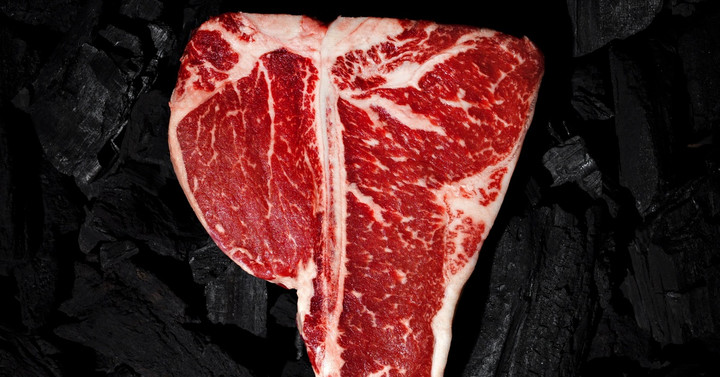
Cooking a porterhouse well means balancing the rich strip with the more delicate filet on the other side of the bone. While purchasing premium beef from The Linz Shop and having the right cookware is a strong start, your technique will ultimately determine the quality of your dining experience.
Each step in the cooking process matters and will help you keep your porterhouse tender and juicy. Our guide explains the process step by step, allowing you to enjoy a fine-dining experience without leaving home. With our help, you can recreate and surpass the experience of a great steakhouse dinner.
Get to Know Your Porterhouse Steak
The porterhouse comes from the back end of the short loin, where the bone separates two distinct muscles on the same steak. One side delivers a deep, beefy flavor, while the other has a buttery tenderness. Since the strip and filet cook at different rates, each side requires a slightly different approach.
Two Steaks in One
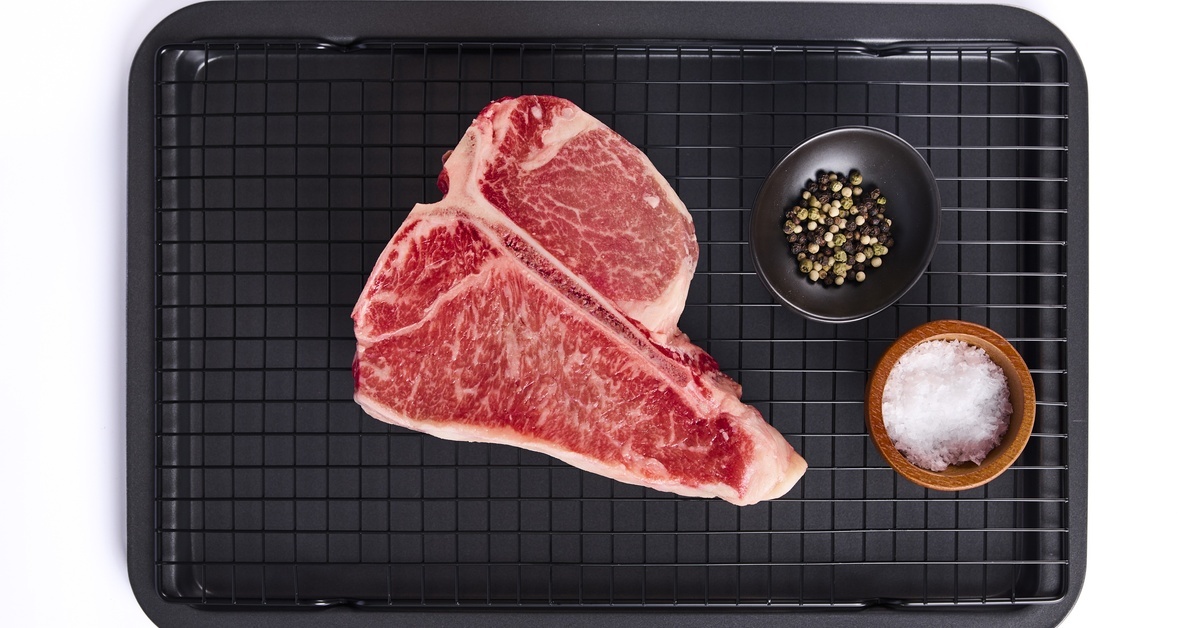
The New York strip and tenderloin may share the same bone, but they require different cooking temperatures to reach their ideal doneness. The strip has a firmer texture and more marbling, which allows it to handle higher heat. The leaner tenderloin is more delicate and can reach its ideal temperature sooner. Keeping the tenderloin away from the hottest part of the grill gives the strip time to develop a proper sear without overcooking the filet.
The quality of the beef also influences the final result. Careful aging can deepen the steak’s flavor and bring out rich, nutty notes, especially on the well-marbled strip side. Starting with a premium porterhouse steak aged under controlled conditions gives you more flavor to work with before the steak hits the heat.
Genetics also determine how fat develops in beef. Cattle raised from strong Angus bloodlines can produce more consistent marbling throughout the muscle, helping the steak stay juicy as it cooks. When thoughtful breeding and careful aging come together, you have a porterhouse that delivers better flavor and tenderness for home chefs.
The Prep Work That Pays Off Later
A little preparation before cooking gives you more control once the porterhouse reaches the heat. Take the steak out of the refrigerator ahead of time, allowing the center to lose some of its chill. When the interior is still cold, the outside may overcook before the middle reaches your preferred temperature.
Once the steak has rested, pat every side dry with paper towels. Any moisture left on the surface must evaporate before browning can begin, which slows the sear and makes it harder to form a flavorful crust. A dry porterhouse starts browning as soon as it hits the hot pan or grill, giving you a better color and a richer, beefier flavor.
Season With a Light Hand
Salt draws moisture to the surface of the steak, but given enough resting time, the meat will absorb that moisture again. For the best sear, season the porterhouse immediately before cooking, or at least an hour in advance. Salting the steak between those two windows can leave moisture on the surface and slow down browning.
Here are a few other tips to make your prep simple and repeatable:
- Bring the steak to room temperature for about 45 minutes before cooking.
- Pat both sides dry with a paper towel right before seasoning.
- Season generously with coarse salt and freshly cracked pepper.
- Brush the surface lightly with olive oil or avocado oil for even browning.
- Keep a reliable meat thermometer within reach, so you can pull the steak at your desired temperature.
These steps take just a few minutes, but they ensure your steak browns beautifully and cooks evenly from edge to center. With your prep complete, you can focus on building a perfect sear and locking in that juicy flavor.
Cooking and Resting for Maximum Juiciness
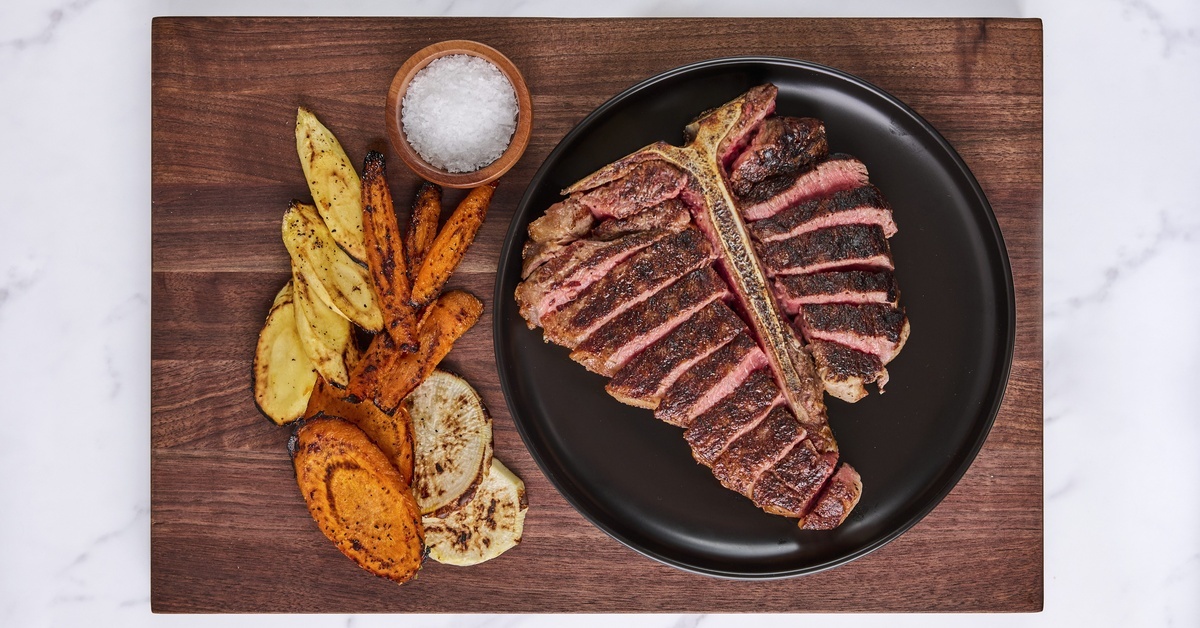
A cast-iron skillet and a hot grill can both handle the thickness of a porterhouse. Start over high heat to develop a deep brown crust. Then move the steak to a cooler part of the grill or lower the heat under the pan so the center can finish cooking without burning the outside. Check the temperature on both sides of the bone, since the leaner tenderloin usually cooks faster than the strip.
A reverse sear gives you more control with a thick cut. Place the porterhouse in a 250°F oven and cook it slowly until the center approaches your target temperature. Then transfer it to a very hot skillet and sear it for a minute or two on each side.
The gentle heat cooks the interior evenly, while the final sear creates the flavorful crust you want. Use a digital thermometer to track each side, and position the tenderloin away from the strongest heat if the strip needs more time.
During the final minutes, baste the steak with melted butter and fresh herbs to add richness without masking the beef's flavor. Tilt the skillet slightly, gather the butter with a spoon, and pour it repeatedly over the porterhouse as it finishes cooking.
Rest the Steak Before You Slice
Once the porterhouse comes off the heat, let it rest for eight to ten minutes before slicing. The meat continues to settle during this time, allowing the juices to redistribute rather than spill onto the cutting board. Cutting too soon can leave the steak drier, even if you cook it to the right temperature.
When it is time to slice, remove the meat from the bone and cut the strip and tenderloin separately. Look for the direction of the muscle fibers, then slice across them rather than alongside them. Cutting against the grain shortens those fibers, making each bite noticeably more tender.
Porterhouse: A Steak Worth the Effort
Cooking a porterhouse well means paying attention to how each side responds to heat. Give the strip enough time to develop a rich crust, protect the more delicate tenderloin from overcooking, and always let the steak rest before slicing. Once you understand those key moments, keeping your porterhouse tender and juicy becomes much easier.
Of course, the final result also depends on the beef you purchase. Buy porterhouse steak online from The Linz Shop and start with expertly aged Angus beef that's ready to impress. Choosing well-marbled, carefully aged beef gives you a head start toward achieving a tender, juicy porterhouse every time.